- Scientific communication acts as the essential link to transfer advances from the laboratory to the general society.
- It is essential to adapt the language and format (videos, podcasts, articles) according to the audience's level of knowledge.
- Rigor and referencing of sources are non-negotiable pillars to guarantee the ethics and veracity of the disclosure.
- In Spain, the professionalization of the sector is being promoted through the analysis of specialized training and market needs.
I'm sure it's happened to you: you read about an amazing discovery in the lab, but when you try to explain it to someone who knows nothing about the subject, you draw a blank or see the other person look completely bewildered. The point is, it's pointless to make a groundbreaking discovery in the scientific world if we can't then communicate that finding to the general public, because knowledge can't stay locked away.
This is where scientific communication comes into play, serving as a vital bridge to shorten the distance between experts and society . It's not just about disseminating data, but about adapting the message to the audience, skillfully balancing technical rigor with the simplicity necessary for anyone to benefit from innovation.
The ecosystem of scientific communication in Spain

In Spain, several powerful initiatives have been launched, such as the FECYT strategic project, to analyze how this sector operates. The goal is to identify gaps and unmet needs so that science communication becomes more professional, ethical, and, above all, effective. To achieve this, a thorough analysis is conducted of the leading research groups in this field and the relationships between them.
Another key point is training. Being a genius in the field isn't enough; specialization in communication is essential . Therefore, we study the master's degrees and expert courses available in Spain, reviewing whether what is taught in the classroom truly aligns with current job market demands. Furthermore, we explore which professional sectors already employ these profiles and which, due to various barriers, have not yet incorporated them into their teams.
Keys to speaking to different audiences

You can't speak to a colleague the same way you would to someone who just saw a news story on their phone. For the message to resonate, you need to know how to adapt your language to the recipient's profile.
- The general public: It's a very diverse group. The ideal approach here is to use simplified language without resorting to caricature. storytelling and analogies They are powerful tools for explaining complex concepts without the listener getting lost along the way.
- The media: Journalists act as filters. If you want your story to reach a wide audience, you must make their job easier by providing actionable information. Furthermore, if the content is going online, this is essential. optimize SEO so that search engines rank it well.
- The expert audience: This is where you can bring out the heavy artillery. The specialists are waiting. technical details about the methodology and accurate numerical results, especially if it involves publications in specialized popular science journals.
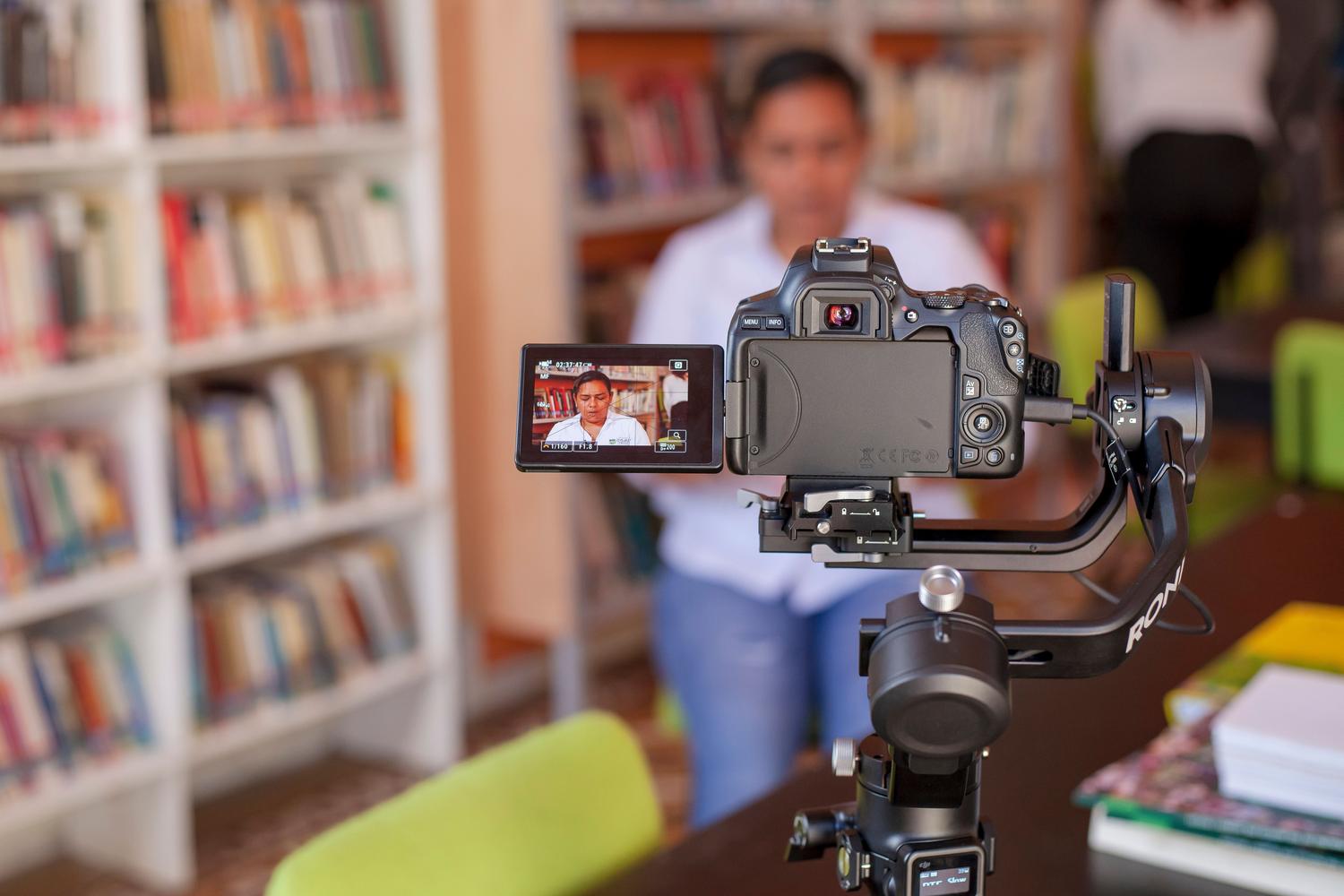
To give communication a fresh twist, don't be tied to written text. A podcast or a well-produced video can make all the difference, making information much more digestible and engaging.
The golden rule: rigor and precision

While we may want the message to be lighthearted or entertaining, there's a line we must never cross: rigor. Science communication isn't about inventing, but about translating. Therefore, it's essential to always reference information , based on our own experiments or the work of other colleagues. Transparency in sources is what sustains the credibility of the message.
To complete the cycle, the most important thing is that the content provides real value. Whether it's an interesting fact for someone unfamiliar with the topic or a novel therapeutic advance for a doctor, the message must be relevant. Creativity is welcome, as long as it doesn't obscure understanding or compromise the accuracy of the presented data.

Professional scientific communication requires a constant balance between the ability to simplify complex concepts and the maintenance of a solid technical foundation, supported by specialized training and the choice of the appropriate format for each type of audience.

FAQ
What exactly is the science of science communication?
It is the discipline that studies and applies strategies to transmit technical knowledge and research findings to the public, ensuring that the information is understandable and rigorous.
How should language be adapted for the general public?
It is recommended to use simplified language, avoiding excessive technical jargon and employing resources such as storytelling or analogies to facilitate understanding.
What is the difference between communicating with experts versus non-experts?
For experts, methodological details and precise numerical data should be included, while for non-experts, the relevance and simplicity of the message are prioritized.
What formats are recommended besides written text?
The use of videos and podcasts is very effective in differentiating content and making science communication more attractive and accessible.
Why is it important to reference sources in dissemination?
Referencing ensures the rigor and accuracy of the message, allowing the recipient to verify the information in documents that support the data.
What is being analyzed regarding scientific communication in Spain?
The current state of research, the quality of specialized training programs, and the barriers that prevent the hiring of these professionals are being studied.