- Gender myths about strength, emotionality, and idealized motherhood reinforce self-demand and make it difficult for women to seek psychological help.
- Sociocultural factors such as gender violence, excessive caregiving, and job insecurity increase the risk of depression and anxiety in women.
- Pregnancy and postpartum are stages of special mental vulnerability, where myths about the "good mother" and false beliefs about medication and breastfeeding persist.
- Support networks, evidence-based self-care, and access to professional care with a gender perspective are key to protecting women's mental health.

For years we've heard clichés about how a woman "should" be, to the point that many have seeped into our internal dialogue without us even realizing it. These normalized cultural messages directly influence how women understand their mental health, experience distress, and allow themselves—or not—to ask for help.
Much of the anxiety, constant guilt, or extreme exhaustion we see in therapy doesn't appear out of nowhere. It's rooted in gender stereotypes and myths about female strength, idealized motherhood, or women's supposed "exaggerated emotionality." When reality doesn't fit these impossible models, psychological distress skyrockets.
Cultural myths about women and mental health
One of the most repeated messages in everyday conversations, advertising, and even some work environments is that women "can do it all ." At first glance, it seems like an acknowledgment of their capabilities, but in reality, it works as a trap: it turns strength into a constant obligation. Subtly, it conveys the idea that women must perform at their peak at work, take care of their families, provide emotional support to those around them, and, on top of all that, never show fatigue or ask for help.
This unrealistic expectation often translates into excessive self-demand : any slip-up, any break, or simply not being able to do everything is experienced as a personal failure. Many women feel they can't slow down, that if they let their guard down "everything will fall apart," and that if they allow themselves to stop, they're letting someone down.
At the same time, the myth that one must be able to do everything makes it very difficult to ask for help or delegate tasks . Sharing responsibilities is interpreted as a sign of weakness or incapacity, leading to chronic overload. This dynamic fosters physical fatigue and continuous emotional exhaustion, which can result in anxiety, depression, or burnout.
Another widespread idea is that “if a woman complains, she’s exaggerating.” This stereotype puts women in a position of constant self-doubt about their own discomfort . Comments like “it’s probably not that bad” or “you’re dramatizing” lead many to minimize their feelings, delay seeking professional help, and normalize an unhealthy level of stress.
When it's assumed that women are always exaggerating their emotions, their physical and psychological symptoms tend to be underestimated. This not only prolongs suffering but also encourages the distress to manifest physically, with symptoms such as chronic pain, digestive problems, or persistent fatigue without a clear medical cause.
“Women are more emotional” and other harmful stereotypes
The notion that women are “more emotional” than men remains prevalent in the collective imagination. However, research doesn't support the idea that women feel more, but rather that they have been raised differently. From a young age, many have been allowed to cry or express sadness, but anger, assertiveness, or disagreement have been punished, associated with “hysterical” or “uncontrolled” behavior.
This differential socialization has several consequences. On the one hand, their opinions tend to be invalidated by attributing them to a supposed emotional outburst: "You're acting like this because you're sensitive," "You're saying that because you're nervous," "It's probably just hormones." In this way, their arguments are undermined, and they are made to doubt their own judgment.
On the other hand, many women learn to feel guilt when they experience emotions like anger or frustration. The implicit message is that a “good woman” should be understanding, patient, and gentle, so showing anger is seen as unacceptable . This emotional repression, over time, can lead to symptoms of anxiety, suppressed irritability, or deep sadness.
The stereotype that women are overly emotional also fuels the idea that their mental health problems are "natural" for them. This depoliticizes and decontextualizes key social factors such as gender violence, workplace discrimination , and the excessive burden of caregiving, which have a direct impact on women's psychological well-being.
The World Health Organization indicates that women are approximately twice as likely to experience depression and anxiety as men. This difference is not explained by any supposed intrinsic fragility, but rather by a combination of biological factors (such as hormonal changes at certain stages of life) and psychosocial factors (inequalities, violence, precariousness, discrimination, etc.).
It is also a dangerous myth to assume that stress and anxiety are a “normal” part of women’s lives . In many contexts, women are expected to simultaneously handle paid employment, family care, housework, and the emotional well-being of their partners, children, elderly relatives, and even friends. This constant multitasking is not an innate characteristic, but rather an unequal distribution of responsibilities.
International Women's Day and women's mental health
Every March 8th, International Women's Day is commemorated, a date that invites us not only to celebrate achievements, but above all to reflect on the gender inequalities that still exist. Among these, mental health occupies a central place, although it is often addressed superficially or reduced to empty slogans.
From a gender perspective, it is essential to analyze how social, economic, and cultural structures impact women's emotional well-being. Recent data indicate that women have a higher prevalence of depressive and anxiety disorders , and that this is closely related to factors such as excessive unpaid work, job insecurity, gender-based violence, and difficulties accessing quality mental health resources.
International organizations such as ECLAC highlight that women dedicate, on average, about three times more time than men to unpaid care work . This invisible labor—caring, cleaning, organizing, keeping track of everything—is added to paid work hours and leaves very little room for rest, self-care, or personal leisure.
When this level of demand is experienced as a “natural” part of the female role, chronic stress becomes normalized. Many women assume that feeling exhausted, irritable, or sad is an inevitable part of their daily lives, making it difficult to recognize when this discomfort has exceeded a healthy threshold and become a mental health problem that requires attention.
Stigma also plays a significant role. Even today, seeking psychological help is perceived in some contexts as a sign of weakness, especially in women who have been taught that they must be strong, self-sacrificing, and capable of supporting others. Studies published in specialized journals indicate that more than 40% of women with depressive symptoms do not seek professional services due to fear of social judgment, shame, or lack of information and access.
Motherhood, mental health and double stigma
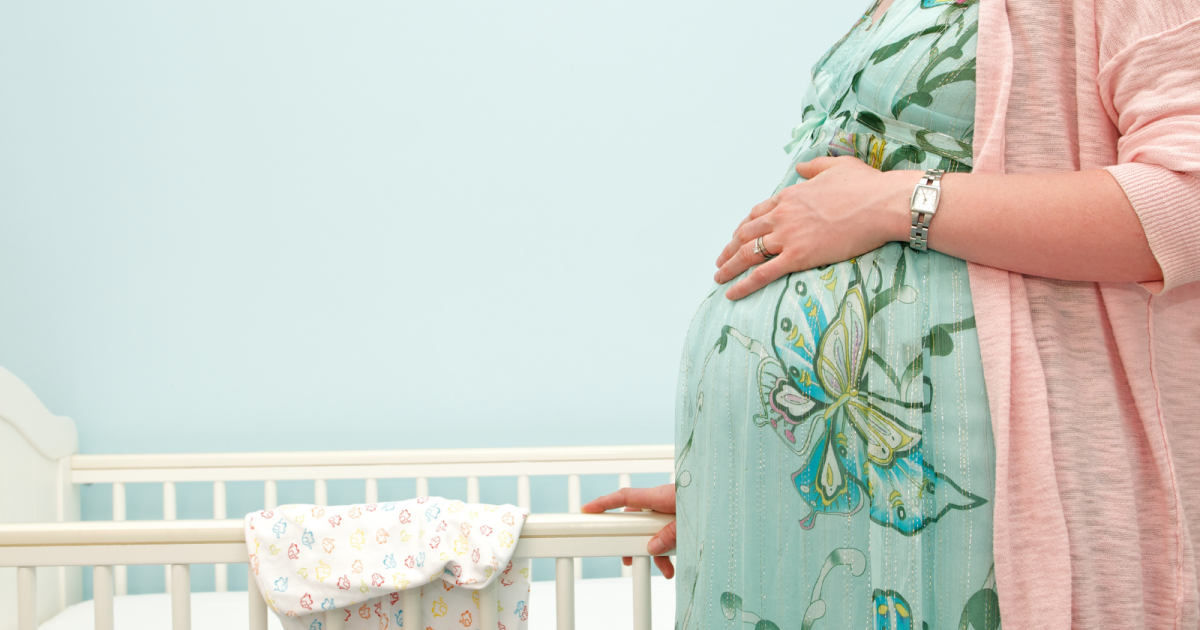
Motherhood is one of the areas where cultural myths and women's mental health most intersect . The idea persists that a "good mother" is always happy, completely devoted to her baby, and experiences pregnancy and postpartum as idyllic stages. The reality, however, is much more complex and human.
Pregnancy and the postpartum period involve intense hormonal changes, physical transformations, reorganization of daily life, adjustments within the couple, and often, economic and work-related pressures. The Spanish Marcé Society estimates that approximately one in four pregnant women experiences some type of significant psychological distress during the perinatal period, including disorders such as depression, anxiety, obsessive-compulsive disorder, bipolar disorder, or postpartum psychosis.
The myth that pregnancy and postpartum are automatically protective phases for mental health is false. In fact, they are considered periods of particular psychological vulnerability , during which mental disorders can appear or existing ones can worsen. Minimizing this risk with phrases like "it's just hormones, she'll grow out of it" delays the identification of warning signs and early intervention.
Another widespread stereotype is the belief that all women form an instant and perfect bond with their baby postpartum. When this doesn't happen, many mothers feel guilty, ashamed, or "defective," which increases their suffering and further isolates them. Difficulty bonding can be related to depression, anxiety, or other disorders, and needs to be addressed with understanding, not judgment.
Especially damaging is the idea that women with mental health problems are unfit to be mothers . This myth contributes to a double stigma: on the one hand, for having a mental disorder; on the other, for questioning their ability to care for their children. Evidence indicates that, with appropriate treatment, professional support, and a support network, many women with mental health disorders can be competent mothers and create secure attachments with their children.
There are also misconceptions about psychotropic medications during pregnancy and breastfeeding . It's often thought that all psychiatric drugs cause birth defects or are incompatible with breastfeeding. The reality is more nuanced: not all psychotropic medications carry the same risk, and in many cases, the potential adverse effects are less severe than the risks of leaving a serious mental disorder untreated.
Therefore, therapeutic plans during pregnancy and postpartum should be individualized for each woman , considering alternatives such as psychological therapy, mothers' groups, emotional support, and, when appropriate, the safest medication at the lowest effective dose. Many psychotropic medications are compatible with breastfeeding, and maintaining it—when the mother wishes and it is possible—can promote both bonding and emotional recovery.
Similarly, intrusive or negative thoughts about the baby or oneself are often misinterpreted as a lack of maternal love , when in reality they are quite common experiences in contexts of intense stress and abrupt changes. Feeling overwhelmed, having fantasies of running away, or imagining catastrophic scenarios doesn't make anyone a "bad mother." However, if these thoughts are very frequent, cause intense suffering, or are accompanied by thoughts of harming oneself or the baby, it is essential to seek professional help urgently.
Postpartum depression, motherhood and baby development
Postpartum depression is a serious and relatively common disorder that goes far beyond the well-known " maternity blues ." Approximately half of all women experience, between the third and fifth day after childbirth, a transient state of frequent crying, irritability, mood swings, sadness, and fatigue, related to the abrupt hormonal changes. This condition usually resolves on its own without treatment.
When symptoms intensify, last longer than expected, or new manifestations appear, such as a marked loss of interest, persistent negative thoughts, or serious difficulties caring for the baby, we are no longer talking about a passing discomfort, but rather postpartum depression . In these cases, we cannot rely on the idea that "it will go away on its own with time," because there is a risk of it becoming chronic and having significant repercussions for the mother, the baby, and the rest of the family.
In rarer cases, between one and two out of every thousand women may develop postpartum psychosis , the most severe form of mood disorder during this period. It usually requires hospitalization and intensive care, as it can include psychotic symptoms, disorganized thinking, and risky behaviors.
Another common myth is that babies under one year old are unaffected if their mothers have mental health problems because “they don’t understand anything yet.” Research shows the opposite: babies rely heavily on their primary caregiver’s ability to detect and respond to their cues. They have a natural tendency to synchronize their emotional states with their mother’s, which contributes to building a secure attachment.
If the mother is severely depressed, anxious, or dysregulated and lacks sufficient support, she may have greater difficulty responding sensitively to the baby's needs. This can result in more irritable infants with sleep, feeding, or emotional regulation problems. In the long term, severe and persistent disruptions in early bonding increase the risk of emotional problems later in life.
All of this reinforces the importance of providing comprehensive maternal mental health care , comparable to the physical care provided during pregnancy and postpartum. Incorporating a gender perspective means recognizing that women face specific challenges and that caring for their mental health is a matter of social justice, not just individual well-being.
When discussing women's mental health, it's not enough to look only at the individual. It's essential to consider the context. The WHO itself reminds us that health is a state of physical, mental, and social well-being , and not merely the absence of disease. Ignoring any of these three aspects leads to incomplete diagnoses and ineffective interventions.
Numerous studies have identified factors such as poverty, low levels of education, social breakdown, and unemployment as closely linked to the development of mental health problems. In the case of women, these factors are compounded by gender discrimination, the gender pay gap, job insecurity, and the unequal burden of caregiving, creating a scenario of cumulative risk.
Certain work circumstances are also associated with a higher risk: periods of unemployment, intense stress at work, long sick leave, maternity leave in hostile environments, situations of disability or forced retirement can profoundly affect women's self-concept and emotional stability .
Gender-based violence, both within intimate relationships and in other contexts, is a major risk factor. It is estimated that around one in three women worldwide has experienced physical or sexual violence from a partner or another person. This experience is directly linked to a higher risk of depression, post-traumatic stress disorder, substance abuse, suicidal thoughts, and other psychological difficulties.
In the face of these risks, social support networks play a key protective role. Women with strong ties—family, friends, community groups, and sisterhood spaces—tend to show lower levels of anxiety and depression. Feeling supported, listened to without judgment, and validated in their emotions reduces isolation and facilitates seeking professional help when needed.
Self-care strategies and professional support
Taking care of your mental health isn't just about "thinking positively," but about implementing specific strategies, tailored to each individual, that promote a reasonable balance between demands and resources. Scientific evidence supports several self-care and treatment tools that are especially useful for women, taking into account their life and social context.
Regular physical activity is one of the most empirically supported interventions. Engaging in aerobic exercise, practicing yoga, dancing, or even just going for regular walks helps release endorphins and reduce symptoms of anxiety and depression . The WHO recommends at least 150 minutes of moderate-intensity activity per week, although any increase compared to inactivity can be beneficial.
Mindfulness and meditation techniques, such as mindfulness-based stress reduction (MBSR) programs, have proven effective in managing stress, improving sleep , and increasing the ability to respond more calmly to daily challenges. Incorporating small moments of mindful breathing or mindful pauses can make a significant difference in emotional regulation.
Equally helpful are relaxation techniques such as deep diaphragmatic breathing, progressive muscle relaxation, and certain types of gentle yoga. These practices help reduce muscle tension, lower physiological arousal levels, and cultivate a greater sense of control over one's body.
The role of sleep and nutrition cannot be overlooked. Maintaining relatively stable sleep routines , creating a conducive environment for sleep, and following a balanced diet directly influence mood and the ability to cope with stress. When sleep is persistently disrupted or the relationship with food becomes problematic, it is advisable to seek professional guidance.
Leisure activities and creative expression—writing, painting, music, crafts, theater, photography—offer a space to channel emotions and explore one's identity beyond imposed roles. Dedicating time to these pursuits is not a superficial luxury, but a legitimate need for emotional well-being.
Another key element is setting boundaries and managing time . Learning to say “no,” prioritizing, renegotiating tasks at home and at work, and sharing responsibilities is essential to reducing overload. Many women have been socialized to always put others' needs before their own; questioning this mandate and setting boundaries is part of taking care of their mental health.
Support groups and group therapy provide a safe space to share experiences, normalize difficulties, and build a sense of belonging . Being able to listen to other women going through similar situations helps dismantle feelings of being different or of personal failure, and fosters the creation of mutual support networks.
In recent years, numerous digital resources and applications focused on emotional well-being have emerged: meditation apps, mood journals, psychoeducational platforms, and online therapeutic support. While they don't replace in-person professional care in complex cases, they can be a useful complement to daily life.
Finally, it is crucial to emphasize that seeking mental health professional help is not a sign of weakness, but rather an act of responsibility and self-care. Psychologists, psychiatrists, mental health nurses, and other specialists can help identify emotional disorders early, offer evidence-based treatments, and support individuals through profound change.
Women's mental health cannot be understood without considering the weight of the myths, stereotypes, and inequalities they face. Questioning phrases like "women can handle anything," "if she complains, she's exaggerating," or "a good mother is always happy" opens the door to more compassionate relationships with oneself , to validating one's own distress, and to seeking help without guilt or shame.

Table of Contents
- 1 Cultural myths about women and mental health
- 2 “Women are more emotional” and other harmful stereotypes
- 3 International Women's Day and women's mental health
- 4 Motherhood, mental health and double stigma
- 5 Postpartum depression, motherhood and baby development
- 6 Psychosocial risk factors and support networks
- 7 Self-care strategies and professional support