- Anger activates norepinephrine, dopamine, and glutamate, reduces serotonin and vasopressin, and reorganizes metabolism to fight or flight.
- In the acute phase, pulse and blood pressure rise; testosterone may increase, and cortisol levels may vary, rising if the anger is prolonged.
- Chronic stress disrupts digestion, sleep, immunity, and the heart; habits and social support regulate cortisol, serotonin, and oxytocin.
- A duration of 30-40 minutes is adaptive; if it lasts for hours, it's a good idea to use strategies and seek professional help.
Anger is not just a passing fit of rage; it's a response from the central nervous system with effects throughout the body, from the brain to the metabolism. When anger erupts, it triggers a cascade of neurotransmitters and hormones that alter attention, memory, heart rate, blood pressure, and energy use. Understanding which substances are involved and how they affect the body allows us to better manage these reactions and prevent them from becoming harmful.
Today we don't fight predators, but our bodies still interpret many everyday demands as threats: work-related stress, bills, rushing, and conflicts. This innate alarm system can be triggered repeatedly , and if left unregulated, it goes from being helpful to harmful. The key is to distinguish when anger is adaptive and when it becomes prolonged and disrupts functions like digestion, sleep, or immunity.
What happens in the brain when anger appears
In response to provocation or discomfort, the brain reacts almost immediately. Norepinephrine and dopamine levels rise, and glutamate release increases, while serotonin and vasopressin levels decrease. This abrupt neurochemical adjustment accelerates cardiovascular and respiratory activation and propels the body toward a fight-or-flight response, relegating more deliberate and thoughtful processes to the background.
In those moments, rationality loses its grip and impulsiveness takes over. Attention to relevant details expands, and we become harder to deceive because our focus becomes highly selective, targeting stimuli perceived as threats. Memory circuits also activate immediately to record what's happening and help us decide whether to approach the problem or flee as quickly as possible.
Not everything is black and white: the brain patterns of anger show a noteworthy peculiarity. Frontal asymmetry can shift to the left, associated with approach-motivated emotions, even though anger is a negative emotion. This aligns with the idea that anger often drives us to confront the cause of discomfort rather than avoid it, a phenomenon observed when anger is induced and the right-ear advantage, linked to greater left-hemisphere activity, is measured.
Experimental measurements have shown an increase in heart rate, blood pressure, and testosterone during anger, while cortisol levels may decrease at that specific moment. However, in later phases of sustained anger, cortisol tends to rise , triggering metabolic changes such as increased blood glucose. This temporal difference explains why seemingly contradictory results are sometimes reported.
Hormones and neurotransmitters responsible for anger
Behind the anger reaction lies a hormonal and neurochemical orchestra. Each molecule contributes its particular note , and together they compose the physiological pattern of anger.
- norepinephrine: Raises blood pressure and heart rate; focuses attention on relevant stimuli to respond quickly.
- Dopamine: reinforces motivation, competitiveness, and reward pathways; it can provide a sense of drive that facilitates action.
- Glutamate: main excitatory neurotransmitter; regulates motor, sensory, and cognitive circuits, increasing the reactivity of the nervous system.
- Serotonin (lower anger): modulates appetite, sleep, temperature, and mood; its decrease is associated with less restraint of impulsive behavior.
- vasopressin (also decreased in early anger): involved in blood vessel contraction and social and emotional processes.
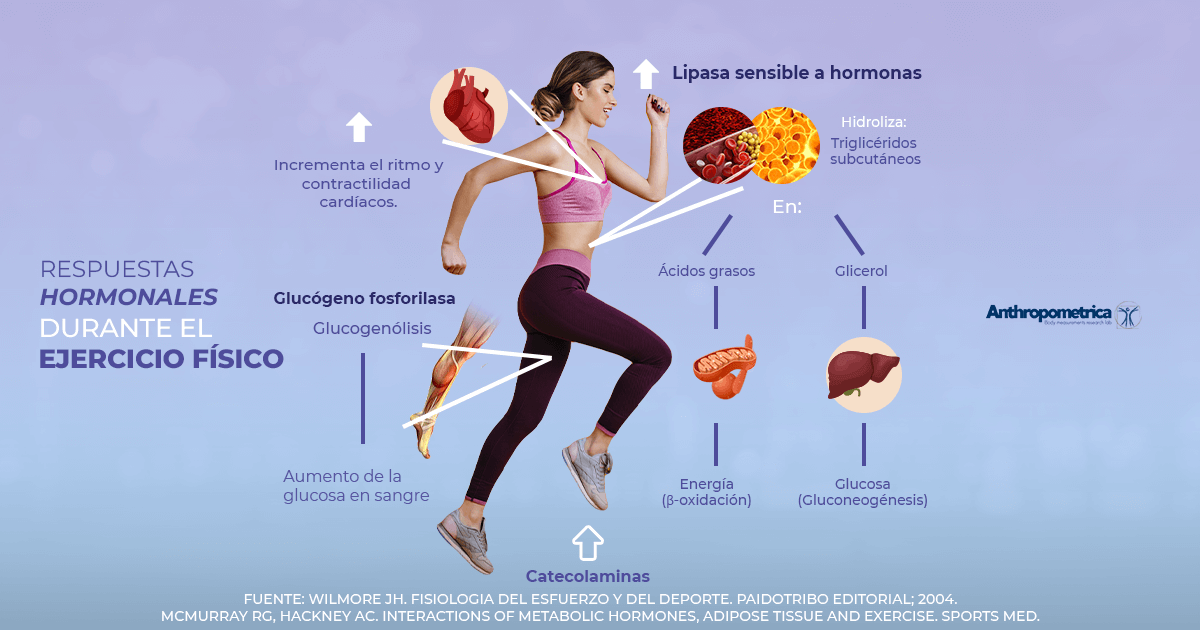
- Adrenalin: increases blood pressure, pulse, and glucose; accelerates metabolism to respond to the emergency.
- Cortisol: central stress hormone; in prolonged anger, it rises and favors changes in energy use; in the acute phase of anger, it may not rise or may even decrease.
As a visible effect, the face will tense: the pupils may dilate, the fist may clench, the brow may furrow, and the lips may contract. This body language reflects the activation of the autonomic nervous system , the same system that accelerates the heart rate and prepares the muscles for a forceful response.
Duration, age and adaptive function of anger
Getting angry is a part of life and, when channeled properly, can be useful. It's considered reasonable for an episode of anger to last around 30 or 40 minutes and then gradually subside. If irritation persists for more than four hours, the phenomenon becomes harmful and ceases to fulfill its adaptive function of alertness and mobilization.
Things change with age. In the early stages of life, anger tends to be more intense and less selective; after 35 or 40, it is usually more contained and controllable. Experience and learning lead to a more modulated response , focused on what really matters and lasting for a shorter time.
One point worth remembering: telling someone to calm down in the heat of the moment usually makes things worse. An angry mind seeks confirmation that it's right and that its position is justified. Validation, time, and space are more effective allies than the typical "calm down," which often adds fuel to the fire.
If anger lingers for too long, there's likely a learned component: sometimes, staying in that state produces immediate results, and the behavior is reinforced. Breaking this cycle involves identifying when anger stops serving the person and starts harming them, something that requires awareness and practice.
From anger to metabolism: how the body changes
The axis connecting the brain and adrenal glands is activated when the hypothalamus detects a threat. This alarm system coordinates nerve and hormonal signals to release adrenaline and cortisol, affecting cellular metabolism . Adrenaline accelerates the heart rate and raises blood pressure , providing instant energy; cortisol increases circulating glucose to fuel the brain and muscles.
To prioritize what's urgent, the body temporarily shuts down functions not essential for immediate survival. Immunity, digestion, reproduction, and growth are all modulated; it's a smart adjustment, but one that takes its toll if it becomes chronic. Living in a state of constant alert disrupts almost all physiological systems and increases the risk of health problems.
This diversion of energy resources explains common symptoms under prolonged stress: gastrointestinal discomfort, muscle tension, weight changes, sleep difficulties, or lapses in concentration. When the stress subsides, everything should return to baseline ; if not, this sustained strain becomes a risk factor that should be addressed.
Metabolically, sustained cortisol promotes glucose availability and can favor fat accumulation if excess energy is not used. The balance between mobilizing and replenishing resources is the difference between a useful acute response and a dysfunctional chronic state.
Testosterone, status, euphoria and aggression: necessary nuances
Testosterone is associated with strength and energy, and changes in its levels affect mood. High peaks can be accompanied by euphoria, while also promoting dominant behavior or even verbal or physical aggression in some people. It has also been observed that fans experience rises or falls in testosterone depending on whether their team wins or loses, demonstrating how the social context modulates this hormone.
Over time, testosterone levels in men tend to decline, influencing sex drive, muscle mass, fat distribution, and mood; to a lesser extent, this also affects women, who produce this hormone. However, testosterone does not necessarily equate to aggression : there is growing evidence that it promotes status-seeking behaviors, which can manifest as coercion, generosity, and prosocial conduct.
The overall profile and environment are important. Children with high testosterone and cortisol levels have been linked to a greater tendency toward aggression when they grow up in more authoritarian environments, especially depending on their mother's parenting style. Empathy and social bonding increase oxytocin and reduce cortisol , mitigating aggression. No single hormone acts alone: it's all an interaction between biology and environment.
Furthermore, serotonin plays a modulating role that curbs impulsive and aggressive behavior; when its levels are adequate, hostile responses are less likely to escalate. The balance between testosterone, cortisol, and serotonin helps explain why the same situation can elicit such different reactions depending on the person and the context.
Sadness, chronic stress and other mood hormones
Mood is also reflected in the endocrine system. High levels of cortisol and alterations in neurotransmitters such as serotonin, dopamine, and norepinephrine are frequently detected in depressive episodes. It is not the only factor, but it is a central piece that interacts with genetic predisposition, life experiences, and physical health.
Among the other hormones that influence mood, thyroid hormones stand out: hypothyroidism can lead to apathy, sluggishness, forgetfulness, and depressive symptoms, while hyperthyroidism promotes irritability, mood swings, and anxiety. Melatonin regulates the sleep-wake cycle , and if it is disrupted, insomnia occurs, impacting memory and causing irritability.
Insulin, in addition to controlling blood sugar, is linked to mood; insulin resistance often appears in people with depression. Endorphins, for their part, contribute to a sense of well-being; when they are scarce, mood suffers. Oxytocin promotes social bonding and empathy , acting as a buffer against stress.
Differential susceptibility theories propose that neither biology nor environment alone explains behavior; it is their combination that makes some people more sensitive to certain contexts. Hormones are messengers that connect organs and the brain , and their effect is modulated by experiences, relationships, and learning.
Warning signs of sustained stress
When the stress response doesn't shut down, the body pays a price. Continuous overexposure to cortisol and other stress hormones is associated with an increased risk of health problems such as the following:
- Anxiety and depression, with intense mood swings.
- digestive discomfort and appetite disturbances.
- Headaches, persistent muscle tension and pain.
- Heart disease, hypertension and cerebrovascular events.
- Insomnia and poor quality sleep.
- Weight gain or changes in body composition.
- Memory and attention lapses in daily life.
Detecting these signs early is crucial to stopping the escalation. Learning to regulate the stress response returns the body to a healthy range and protects health in the medium and long term.
How to modulate these responses in a healthy way
The goal isn't to eliminate stress or anger, but to harness them and keep them in check. A balanced and sustainable lifestyle can make all the difference in your daily life.
- Diet, exercise and sleepRegular exercise raises endorphins and dopamine and helps balance cortisol; a diet rich in fruits, vegetables, lean proteins, and whole grains stabilizes glucose and boosts hormonal balance; getting enough sleep repairs circuits and regulates the endocrine system.
- Relaxation and awareness: Yoga, deep breathing, meditation, and mindfulness reduce stress axis activation.
- Personal diary and gratitude: Writing clarifies thoughts, creates distance and reduces rumination.
- Hobbies and leisure: Reading, listening to music or watching a pleasant film rebalances the mood and promotes the release of endorphins.
- Red social: Cultivating friendships and asking for support raises oxytocin and buffers cortisol.
- HumourLaughing every day is no small feat; it has a real physiological effect.
- Volunteering: helping reinforces purpose and social connection.
- Organisation: Prioritizing, simplifying, and letting go of unnecessary tasks reduces constant pressure.
- Professionals: Psychological therapy and, if appropriate, medical intervention offer specific tools.
It's best to avoid shortcuts that end up costing you dearly: tobacco, alcohol, drugs, or overeating can worsen hormonal fluctuations. Reducing caffeine and alcohol helps stabilize the system and improve sleep. Staying well-hydrated and limiting exposure to endocrine disruptors like BPA, found in certain plastics and coatings, also contribute to this.
To boost serotonin, responsible sun exposure and gentle exercise (like walking or yoga) are great allies; foods rich in vitamin C and chocolate also help. Melatonin benefits from good sleep habits and foods like nuts, pineapple, and bananas. And thyroid hormones function best with sufficient iodine and vitamin B12 in the diet.
Practical strategies when anger is already upon us
If anger has already taken hold, there are tricks to reduce its intensity without denying the emotion. The first step is to let it rise and fall without fanning the flames : create a brief physical distance, breathe more slowly and deeply, and avoid self-talk that will keep the fire burning.
Set a time limit: if you're still just as agitated after 30-35 minutes, change your surroundings, move around, or do a short task that brings things to a close and gives you back a sense of control. Completing something simple releases dopamine and helps you let go . If you're there with them, offer validation without saying "calm down"; phrases like "I understand it bothers you" lower their defenses.
When you've calmed down, examine what triggered your reaction and whether it brings you closer to what you want or simply drains you. This calm analysis reprograms the learned behavior that keeps anger alive beyond its usefulness. If the pattern repeats itself and lasts for hours, seek professional support to dismantle it piece by piece.
Regular practice of regulating habits causes the alarm system to activate less frequently and deactivate sooner. The more trained the body is to return to its baseline state , the less damage a momentary outburst of anger causes.
The interplay between anger, hormones, and metabolism is complex, but it follows a clear logic: the body prioritizes survival and reorganizes resources to respond to the threat. If the threat is continuous or learned, this reorganization becomes chronic and takes its toll. With good information and simple strategies, it's possible to regain control and use this reaction to our advantage. When applied correctly, it makes us faster, more competitive, and more alert without jeopardizing our health.


Table of Contents
- 1 What happens in the brain when anger appears
- 2 Hormones and neurotransmitters responsible for anger
- 3 Duration, age and adaptive function of anger
- 4 From anger to metabolism: how the body changes
- 5 Testosterone, status, euphoria and aggression: necessary nuances
- 6 Sadness, chronic stress and other mood hormones
- 7 Warning signs of sustained stress
- 8 How to modulate these responses in a healthy way
- 9 Practical strategies when anger is already upon us