- Unreleased programs and premieres in Estella with Al Ayre Español and specialized solo voices
- Festivals in the Pyrenees, La Rioja, Motril, and Torroella with Renaissance and Baroque repertoires
- Josetxu Obregón's view on Scarlatti's recovery and the rise of the sector
- Key dates, venues, and artists to plan your music-loving agenda
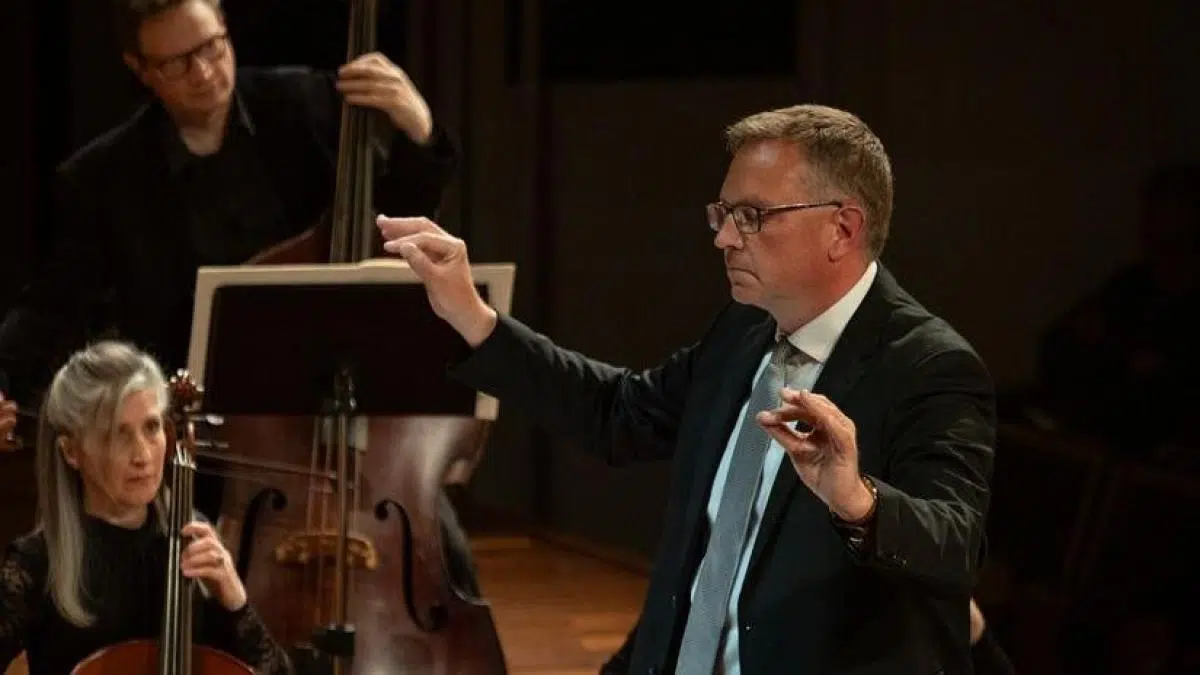
Early music is experiencing a particularly fertile period in Spain , with a program that combines premieres, archival revivals, and tours to some of the most vibrant venues on the cultural map. Over the next few weeks, music lovers can journey from the Renaissance to the Baroque and the early Classical periods without leaving the summer calendar.
From Estella to the Pyrenees, passing through La Rioja, Motril or the Costa Brava , festivals are tuning their ears to repertoires that are returning to the music stands after centuries of silence, while leading performers share their views on the present of the sector and its upcoming challenges.
Featured Programs and Festivals
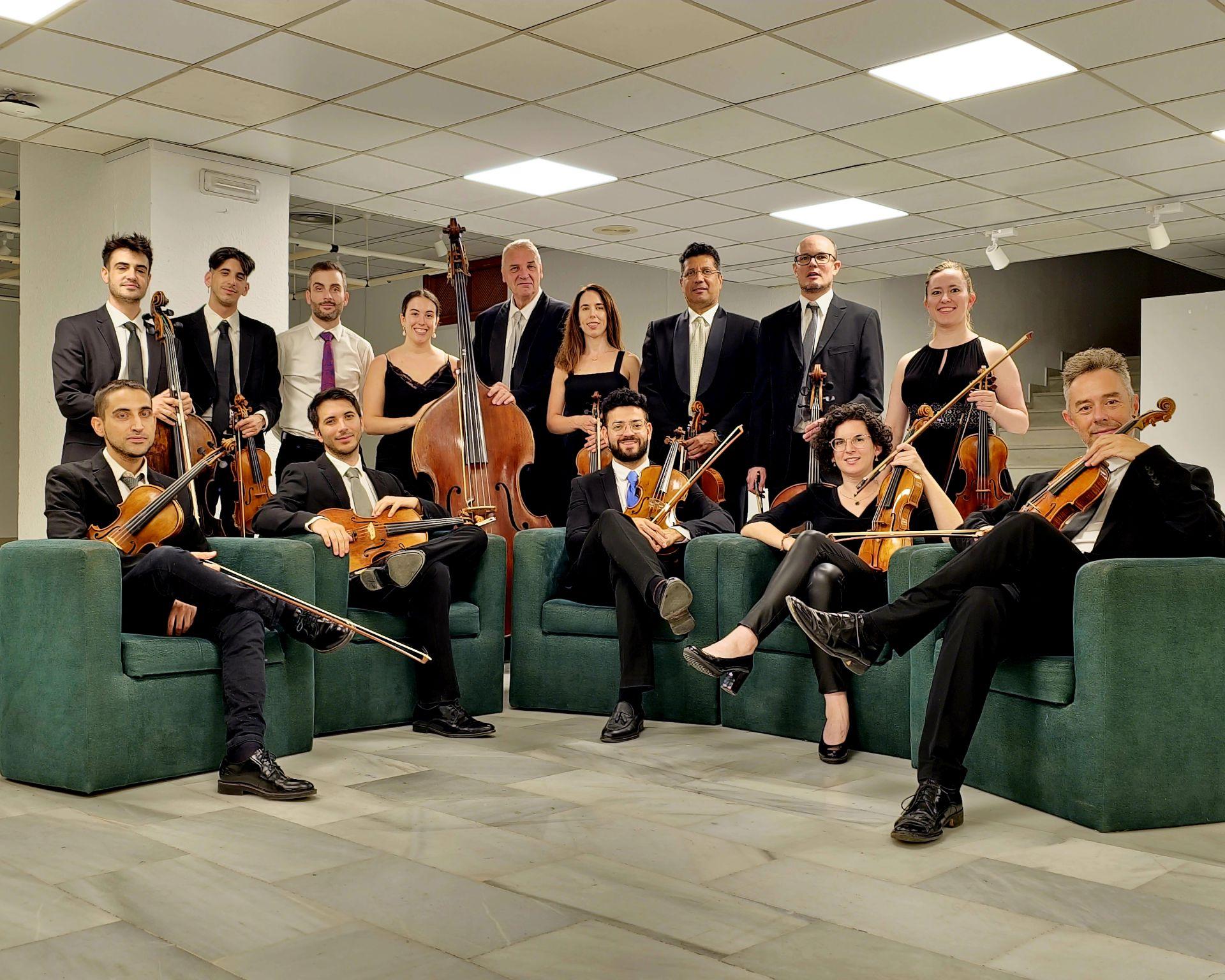
Estella Early Music Week (SMADE) . Under the motto "Renewed in spirit and repertoire," "Al Ayre Español" (In the Spanish Air) proposes a journey through 17th-century music with works transcribed by Eduardo López Banzo from manuscripts in cathedrals and libraries in Spain and the Americas. Several pieces are presented in modern premieres after editing from original sources.
- Part I: Matías Juan de Veana – “Good News!” (Christmas carol to the Assumption); Arcangelo Corelli – Sonata No. 11 in D minor, Op. 1 (Grave, Allegro, Adagio, Allegro); Cristóbal Galán – “Let the Seas Calm Down” (tune to Our Lady of Solitude, 1673) and “Let Me Portray You, Lord” (tune to the Blessed Sacrament); Juan del Vado – “Listen, Look, and Come and See!” (Christmas carol to the Blessed Sacrament).
- Part II: Sebastián Durón – “Quidito airecillo” (Nativity scene tune) and “Canten dos pajarillos” (modern premieres); Matías Juan de Veana – “Divino amor” (Christmas carol); Arcangelo Corelli – Sonata No. 4 in A minor, Op. 1 (Vivace, Adagio, Allegro, Presto); Cristóbal Galán – “Come to the altar table!”; Sebastián Durón – “Ola qué?” (Three Kings’ Christmas carol, modern premiere).
Performers : VOZES DEL AYRE (Belén Vaquero, Carmina Sánchez – sopranos; Juan Manuel Morales, Bruno Campelo, Jorge Enrique García – countertenors; Víctor Sordo – tenor; Víctor Cruz – baritone; Javier Jiménez Cuevas – bass) and AL AYRE ESPAÑOL (Alexis Aguado, Kepa Artetxe – violins; Aldo Mata – cello; Xisco Aguiló – double bass; Juan Carlos de Mulder – archlute and guitar; Carlos Oramas – theorbo and guitar; Eduardo López Banzo – organ and direction).
FEMAP: the Pyrenees as a setting
The Pyrenees Early Music Festival enters its final stretch with concerts in heritage sites and natural landscapes of the Catalan Pyrenees. Highlights include programs focused on the stylus phantasticus , Bach's dialogues in London, and 18th-century French repertoire. Furthermore, those wishing to delve deeper into this genre can explore it at the Renaissance and Baroque music festival in Vélez Blanco.
- The Ministers of Pastime: “Phantastic Kapellmeisters” (La Seu d'Urgell; Pobla de Segur).
- Al Tayr Ensemble: “Abendino’s Journey” in the Concerts with Taste series (Aguiró, Vilanova de Banat-Alàs, Sort), with tasting of local products.
- anachrony: “The Evenings of Bach and Abel” (Estamariu, Llanars).
- vivalma: "Numen. The artist's inspiration" (El Pont de Suert, Vilamitjana-Tremp).
- Carles Vallès & Edwin García: “The Devil's Pipe”, recorder and theorbo (La Molina-Alp, Ordino).
- Closing: The Grand Chapelle with music by Thomas Louis of Victoria (“Misa Vidi Speciosam” and Marian motets) in Escaló and Camprodon.
'Classical' in Casalarreina
The Monastery of La Piedad hosts a new edition of the Riojan festival, featuring established artists and emerging projects that focus on the Italian Baroque, the Bach-Handel dialogue, Sephardic influences, and Baroque lament . For those wishing to learn more about this period, the game Her Story and early music can provide additional context to this musical era.
- August 15th: Quitería Muñoz & Concerto 1700 – “L'amore all'italiana” (Monteverdi, Strozzi, Falconieri; with Fumiko Morie, Ester Domingo, Sara Águeda, Pablo Zapico).
- August 16th: Lina Tur Bonet & Andrea Buccarella – “Bach–Händel: an imaginary encounter”.
- August 17th: Malandanza – “In other lands” + musical dinner (Lumbre).
- August 18th: Carlos Mena & Tiento Nuovo – “Lamento” + musical dinner (La Vieja Bodega).
- August 19th: The Reverence – “Quators” (tribute to Rameau).
Torroella: double program with Armonico Consort
The British ensemble Armonico Consort presents an intense diptych at Espai Ter (20:30 pm), featuring Pergolesi's "Stabat Mater" and Purcell's opera "Dido & Aeneas." The performance explores the contrast between the sacred and the profane , employing a theatrical and flexible approach to historically informed interpretation.
Motril: II Balduino and Fabiola Early Music Festival
Playa Granada presents five concerts (21:30 pm) at the Church of Santa Josefina Bakhita, a stone's throw from Villa Astrida. Organized by Juventudes Musicales de Motril, with institutional support and local logistics. Book tickets at bravo entradas.es or one hour before the concert; for more information, call 653 914 811. Additionally, to expand your knowledge of the history of early music, you can visit the website "The Importance of Play and Imagination in Musical Learning ."
- August 20th: Ventus Nazaríes Ensemble (oboe, flute, clarinet, bassoon). Program: Rameau (overture of Les Indes Galantes), Bozza, Couperin (Les Barricades Mystérieuses), Françaix, Lully, Nadia Boulanger (Versailles), María Rodrigo (Romanza sin Palabras), Tomás Luis de Victoria (Ave Maria).
- August 21th: Miguel Ulla (countertenor) & Francisco Javier Jiménez (organ) with spiritual cantatas by Leonardo Leo, sonatas by Scarlatti (K.1) and Soler (no. 18).
- August 22th: Schola Gregoriana Hispana + organ: Mozarabic and Gregorian chant, first polyphonies (Codex Calixtinus, Huelgas, School of Notre Dame) and alternate with pages by Pablo Bruna, Cabezón and Francisco Andreu.
- August 23th: Nur Project (dir. Pablo Guerrero) – “Music to say goodbye”, with madrigals and choral pieces by Hawley, Parry, Alcaraz, Elgar, Delius, Ramírez and Weill.
- August 24th: Mediterranean Chamber Orchestra & organ: Handel (Messiah Overture, Sarabande, The Arrival of the Queen of Sheba), JS Bach (Chaconne in D minor for solo violin; Brandenburg Concerto No. 3), Vivaldi (Op. 3 No. 10, four violins) and Boccherini (Quintet Op. 30 No. 6).
Puertollano: “Ad Honorem Virginem” concert
On September 6th at 21:00 PM , the recital “Ad Honorem Virginem” is scheduled to take place in the local parish, with the participation of early music teachers from different parts of Spain, as part of the city's cultural and religious events.
The performers' perspective: recovered repertoires and new projects
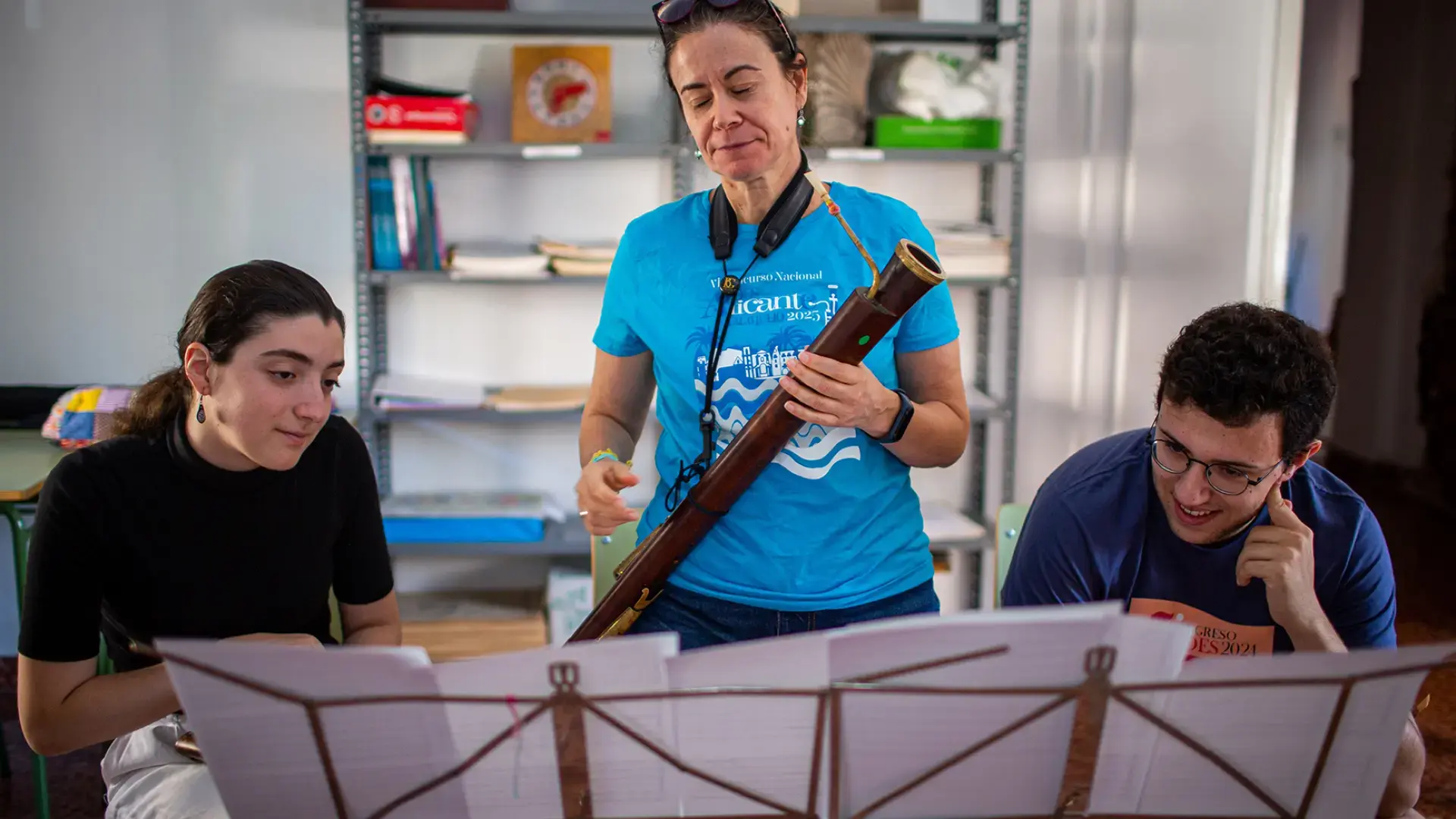
Cellist and conductor Josetxu Obregón notes that early music in Spain is possibly experiencing its best period, with new ensembles, active festivals, and an increasingly curious audience. His season includes revivals of Alessandro Scarlatti's work and projects that combine stage and concert performance.
- El Escorial: selection of the opera “Scipio in Spain” (Naples, 1714) by Alessandro Scarlatti, with Pablo García López (Scipio), Alexandra Tarniceru (Sofonisba) and Bruno Campelo (Luceio), in a version of approximately an hour and a half and stage direction by Ignacio García.
- Recent discography: oratorio “Il giardino di rose” (Deutsche Harmonia Mundi) with Núria Rial, in parallel with previous Scarlattian projects and Neapolitan concerts.
- OCNE, Satellites cycle: complete program of cantatas by JS Bach, with Obregón conducting and playing cello, including aria for piccolo cello obliged.
- Tours: Pyrenees Early Music Festival with Boccherini; program “Mystical Love” (sacred music and poetry) with Beatriz Oleaga and Manuela Velasco; “Il giardino di rose” in the Co-Cathedral of Cáceres; “Stabat Mater” by Boccherini with Núria Rial (Tenerife and Fundación March).
Regarding the industry , Obregón points out that record publishing still requires public and private support, while streaming opens new avenues of dissemination —including the release of singles prior to the album— in a field that until recently seemed reserved for the physical record.
A summer full of dazzling repertoires, packed halls and renewed perspectives draws the map of early music in Spain: from modern premieres in Estella to stages in the Pyrenees, La Rioja, Torroella and Motril, with artists and ensembles connecting archives and the present so that these scores can breathe again in concert.