- Airbus has detected that intense solar radiation can corrupt key data in the flight control systems of the A320 family.
- Up to 6.000 aircraft could require software updates, ELAC replacement, or other immediate preventative measures.
- EASA has issued an emergency airworthiness directive that requires airlines to implement corrective measures before continuing to operate affected aircraft.
- In Spain and Europe, Iberia, Vueling, Volotea, easyJet, Lufthansa and other companies are adjusting their operations, although they anticipate a limited impact in terms of delays and cancellations.
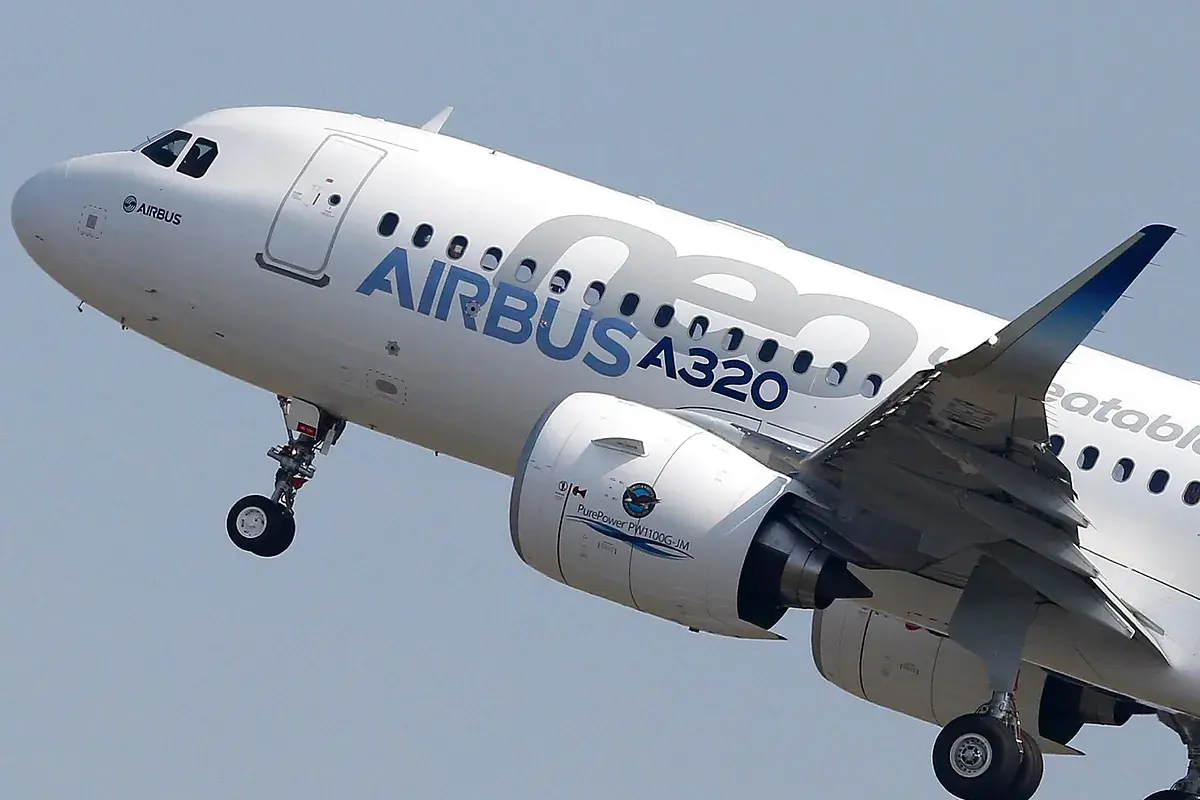
European manufacturer Airbus has raised concerns in the aviation sector by confirming a potential software flaw in the system that manages some of the flight controls of the A320 family . The problem, linked to episodes of particularly intense solar radiation , could affect a very large number of aircraft in service, forcing airlines worldwide to urgently review their operations.
Although the fleet continues to fly and authorities insist that the planes remain safe, a global campaign of inspections, software updates, and component replacements is underway , inevitably leading to schedule adjustments, aircraft changes, and, in some markets, occasional delays and cancellations . In Spain and Europe, major airlines are working against the clock to adapt their aircraft and minimize the impact on passengers.
What problem has Airbus detected in the A320?
According to Airbus, the alert stems from the analysis of a recent incident involving an A320 family aircraft , which revealed that particularly intense solar radiation could corrupt critical data used by flight control systems. This data is processed by the ELAC, the computer that governs the elevators and ailerons, key elements for the aircraft's pitch and stability.
The engineers from the European consortium concluded that, under certain conditions, this data corruption could lead to uncontrolled movements of the elevator . In the worst-case scenario, this behavior could exceed the aircraft's structural limits , which is why they opted for preventative action before the problem recurs on other commercial flights.
The affected family includes the A319, A320, and A321, as well as their neo versions , which make up the bulk of the short- and medium-haul fleet in Europe. However, the long-range A321XLR , a newer model used by some European airlines on transatlantic routes and which uses a different configuration, has not been affected .
In a statement released to operators, Airbus acknowledges that it has identified “a significant number” of potentially exposed aircraft , estimated by various industry sources to be around 6.000 planes , approximately half of the aircraft in this family currently in service. The company insists that the measure is preventative and that the fleet can continue operating as long as the specified software and hardware protections are applied.
The JetBlue incident that exposed the risk
Sources close to the investigation point to a JetBlue flight between Cancún and Newark , operated on October 30, as the incident that triggered the alarm. During that flight, the aircraft experienced an uncontrolled pitching descent , with a limited loss of altitude while the autopilot remained engaged. The flight was able to continue to its alternate destination without structural damage, but several passengers were injured, and an emergency landing in Tampa was necessary.
The European Union Aviation Safety Agency (EASA) described the incident as an “uncommanded and contained pitch descent ,” pointing to a malfunction of the ELAC (Electronic Air Control Unit) as a contributing factor . Following preliminary analysis by Airbus, it was determined that, if this condition was not corrected, there was a risk of uncontrolled elevator movement under other circumstances , with potentially serious consequences.
The aircraft involved was temporarily taken out of service for a thorough inspection, and from there the manufacturer initiated a large-scale check of the software versions and hardware configurations used in the A320 family. This internal investigation is what has led to the current alert to all airlines that operate these models.
Emergency measures: AOT and EASA emergency directive
To coordinate the response, Airbus has sent its customers an Alert Operators Transmission (AOT) , a top-priority communication addressed to all airlines flying the A320 family. This document details the immediate actions operators must take to ensure that the affected aircraft can continue flying without compromising safety.
The measures include installing a new software version on the flight control equipment, implementing additional safeguards , and, in a smaller percentage of aircraft, replacing the ELAC module itself . Airbus estimates that around 85% of the aircraft can be resolved with a simple software update requiring only a few hours of work , while the remaining 15% will require more extensive technical intervention.
EASA, for its part, has decided to formalize the situation in an Emergency Airworthiness Directive . This regulation mandates that any aircraft identified as affected receive the required correction before its next passenger flight . In some cases, ferry flights—that is, flights without passengers on board — are permitted to transfer the aircraft to suitable maintenance facilities where the upgrade can be completed.
Airbus has admitted that this entire process will cause “operational disruptions for passengers and customers .” The company has apologized in advance and emphasized that safety remains its absolute priority , coordinating at all times with national and European aviation authorities to adjust timelines without compromising service more than absolutely necessary.
Global reach: thousands of A320s under inspection
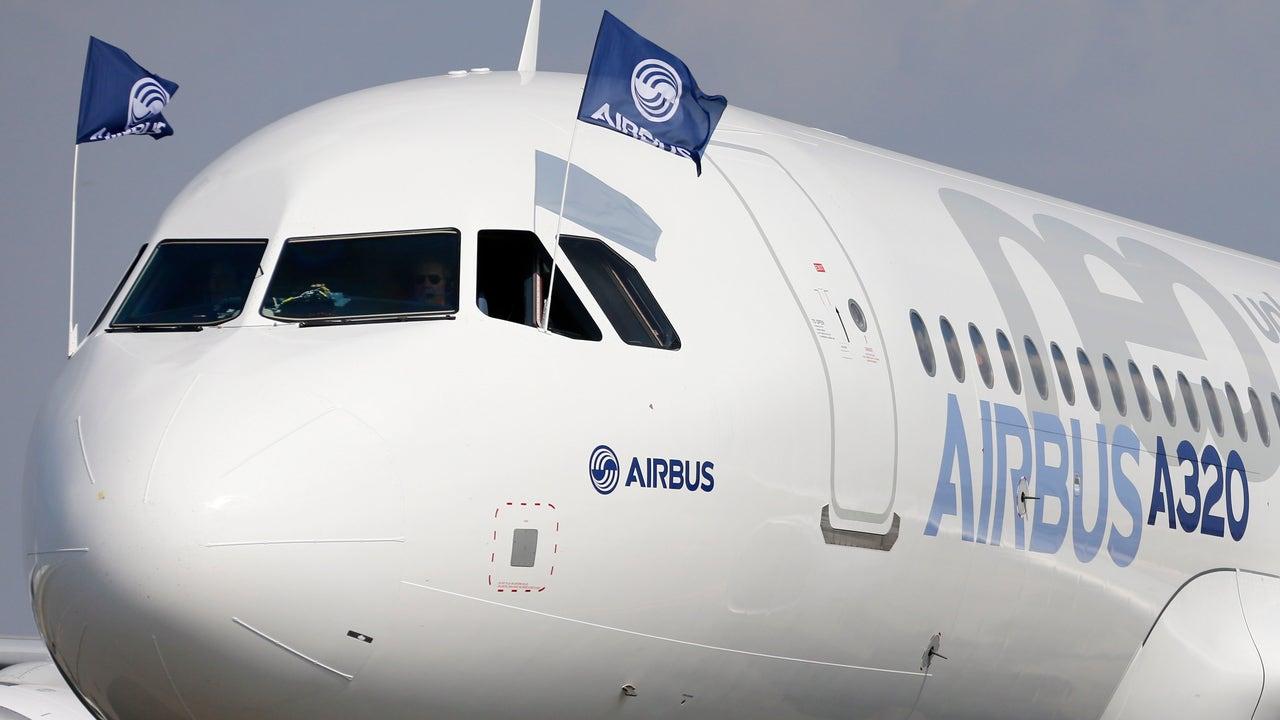
The potential impact of this incident is especially broad because the A320 is one of the best-selling aircraft in history . It is estimated that there are around 11.300 aircraft from the A320 family in operation worldwide , including the A319, A320, A321, and their neo variants. The A320 alone accounts for more than 6.400 units and recently surpassed the Boeing 737 as the most delivered model globally.
Of that fleet, various estimates place the number of aircraft requiring overhaul at around 6.000 , whether through simple software updates or hardware changes to their control systems. For many operators, these aircraft are true workhorses of short- and medium-haul routes , so any impact on their availability is immediately felt in daily scheduling.
The problem has prompted a response from airlines across all continents. American Airlines estimates that approximately 340 of its aircraft are affected by the directive, anticipating limited operational delays while the upgrades are completed. United Airlines and Delta have also pledged to follow the instructions of Airbus and the authorities, anticipating a limited impact on their operations.
In Europe, Hungarian airline Wizz Air has warned its customers of potential flight disruptions, and easyJet acknowledges that the alert initially forced it to review its schedule, although it claims to have already completed most of the necessary upgrades to the affected aircraft. London's Gatwick Airport has reported disruptions to around 80 routes in a single day, while others like Heathrow indicate that the impact is less significant because not all airlines based there operate the A320 family.
Impact on Spain and major European airlines
In Spain, the impact is concentrated on airlines that heavily utilize the A320 family for their domestic and European routes. Iberia operates 44 A319, A320, and A321 aircraft , in addition to the Iberia Express fleet , which consists entirely of A320 and A321 models with approximately two dozen aircraft. The flag carrier states that it has already worked overnight to implement the necessary modifications to the affected aircraft.
The airline, headed by Marco Sansavini, has reassured passengers that "tomorrow's operations will not be disrupted" and that no cancellations or delays are expected as a result of this incident. Iberia states that it will continue to provide updates as the EASA directive is implemented and the software update is completed on the remaining aircraft.
For Vueling , another IAG subsidiary with a significant A320 fleet, the impact appears to be less severe. Internal sources indicate that fewer than ten aircraft require software updates, which are being carried out within hours. Meanwhile, the Catalan airline is maintaining its strategic plans to renew part of its fleet with Boeing aircraft , a decision made prior to this alert but one that has gained importance given its heavy reliance on the A320 family.
Spanish airline Volotea , whose fleet consists entirely of Airbus aircraft, has identified only three planes affected by this technical campaign. The company maintains that it does not foresee a significant impact on its operations , given that the upgrade can be completed without mass cancellations and with careful planning of maintenance schedules.
Other airlines operating in Spain, such as Ryanair and Air Europa , have remained unaffected by the incident as they exclusively operate Boeing aircraft on their regular routes . This allows them to maintain their flight schedules without disruptions related to the Airbus alert, beyond the potential indirect effects at airports with a high concentration of A320s.
How other European and international airlines are responding
The alert has resonated throughout Europe. Lufthansa , Germany's largest airline and one of the continent's most important, has stated that it does not anticipate widespread cancellations due to the situation, although it acknowledges that isolated delays may occur over the weekend while the new software versions are being installed on its A320 fleet.
The German group emphasizes that “most of the updates were completed overnight” and that it strictly adheres to the requirements of both the manufacturer and the regulators. It has advised its passengers to check their flight status on the website or app before heading to the airport and has apologized for any inconvenience caused by the situation.
Other European airlines such as Air France, British Airways, TAP, Aer Lingus, and ITA Airways are also involved in the review, as they have significant fleets of A319s, A320s, and A321s. Some have reported limited cancellations and schedule adjustments , while others say that planning for the interventions has allowed them to absorb the impact without major disruptions to their route network.
Outside of Europe, the impact is also significant. Airlines such as Air India, All Nippon Airways (ANA), Air New Zealand, and LATAM have acknowledged punctuality issues and a wave of canceled or rescheduled flights while they update the software on their A320neo aircraft. In Japan, for example, ANA has canceled dozens of domestic flights in a single day, affecting several thousand passengers.
In Latin America, Avianca has been particularly hard hit, having to keep a large part of its Airbus fleet temporarily out of service . The company has even suspended ticket sales on certain dates to reorganize its operations with the available aircraft and comply with the safety guidelines imposed after the alert.
The operational impact: from occasional delays to selective cancellations
Although the entire A320 family has not been grounded, the combination of such a large fleet, the need to rapidly upgrade thousands of aircraft , and the context of high flight demand means that the practical effect is being felt at numerous airports. Operators are forced to fit maintenance tasks into an already tight schedule.
In many cases, the solution involves scheduling maintenance at night or during off-peak hours, so that aircraft can return to service without significantly disrupting the commercial schedule. When this isn't possible, airlines resort to aircraft changes, passenger rebooking, and, as a last resort, temporary cancellations on specific routes.
The manufacturer acknowledges that the process can be cumbersome, but insists that it is a standard preventative measure in the aviation industry . The combination of data analysis, emergency directives, and cooperation between companies and regulators is designed precisely to anticipate potential problems before they become real risks to flight safety.
For passengers, the immediate effect is some uncertainty regarding the punctuality of certain flights , especially on busy short- and medium-haul routes where the A320 is ubiquitous. Aviation authorities recommend that passengers frequently check their flight status through airline websites and apps, as well as pay attention to notifications sent via email or text message.
On the industrial front, the alert comes at a particularly critical time, with long waiting lists at both Airbus and Boeing for the delivery of new aircraft. This limits airlines' ability to use replacement aircraft while repairs are carried out on the affected A320s, forcing them to maximize the availability of their current fleets.
A key model that will remain at the heart of European aviation
Despite this setback, the A320 remains the backbone of air traffic in Europe . With configurations ranging from around 120 to over 200 seats, these aircraft are ideal for connecting cities like Madrid and Barcelona, Paris and Rome, or Berlin and Prague —high-demand routes where the balance between capacity, operating costs, and flight frequency is crucial.
Airbus has been evolving the family with the arrival of the A320neo , which incorporates next-generation engines and aerodynamic improvements aimed at reducing fuel consumption and CO2 emissions . This combination of efficiency and versatility explains why so many airlines, from flag carriers to low-cost airlines, have opted for this model for their daily operations.
The current situation, in which the manufacturer and regulators are reacting to a potential software glitch linked to solar radiation, is part of the extremely strict safety culture that governs commercial aviation. Whenever anomalous behavior is detected, such as that of the JetBlue flight under investigation, a process of analysis, testing, and corrections is triggered. While this may be inconvenient in the short term, it is a normal part of the industry's operations.
The coming days and weeks will be marked by the full implementation of updates on the remaining aircraft awaiting maintenance, as well as by a detailed evaluation of the data collected during the inspections. All indications are that, once the necessary software updates and hardware changes are completed, the A320 family will continue operating as before, maintaining its leading role in the European and global flight network.
Airbus's alert regarding software glitches in a significant number of A320s illustrates how a single incident can trigger a global review , mobilizing manufacturers, airlines, and authorities within days. While the process is causing operational disruptions, particularly for airlines heavily reliant on this model, the coordinated response is enabling the reinforcement of fleet safety while maintaining the bulk of operations , with a relatively limited impact on passenger travel.