- Microsoft ended official support for Windows 10 on October 14, 2025.
- Approximately 30% of Windows users continue to use this version.
- The Extended Updates Unit (ESU) program allows you to continue receiving security patches temporarily.

On October 14, 2025, Microsoft ended free support for Windows 10This decision affects millions of computers worldwide. Since then, the operating system has stopped receiving security patches and official technical support, marking a turning point for those who still use it daily.
Despite this closure, A significant portion of users remain attached to Windows 10According to the data collected, around 30% of Windows computers are still running this version, a figure that has not gone unnoticed by the Redmond company.
The end of official support
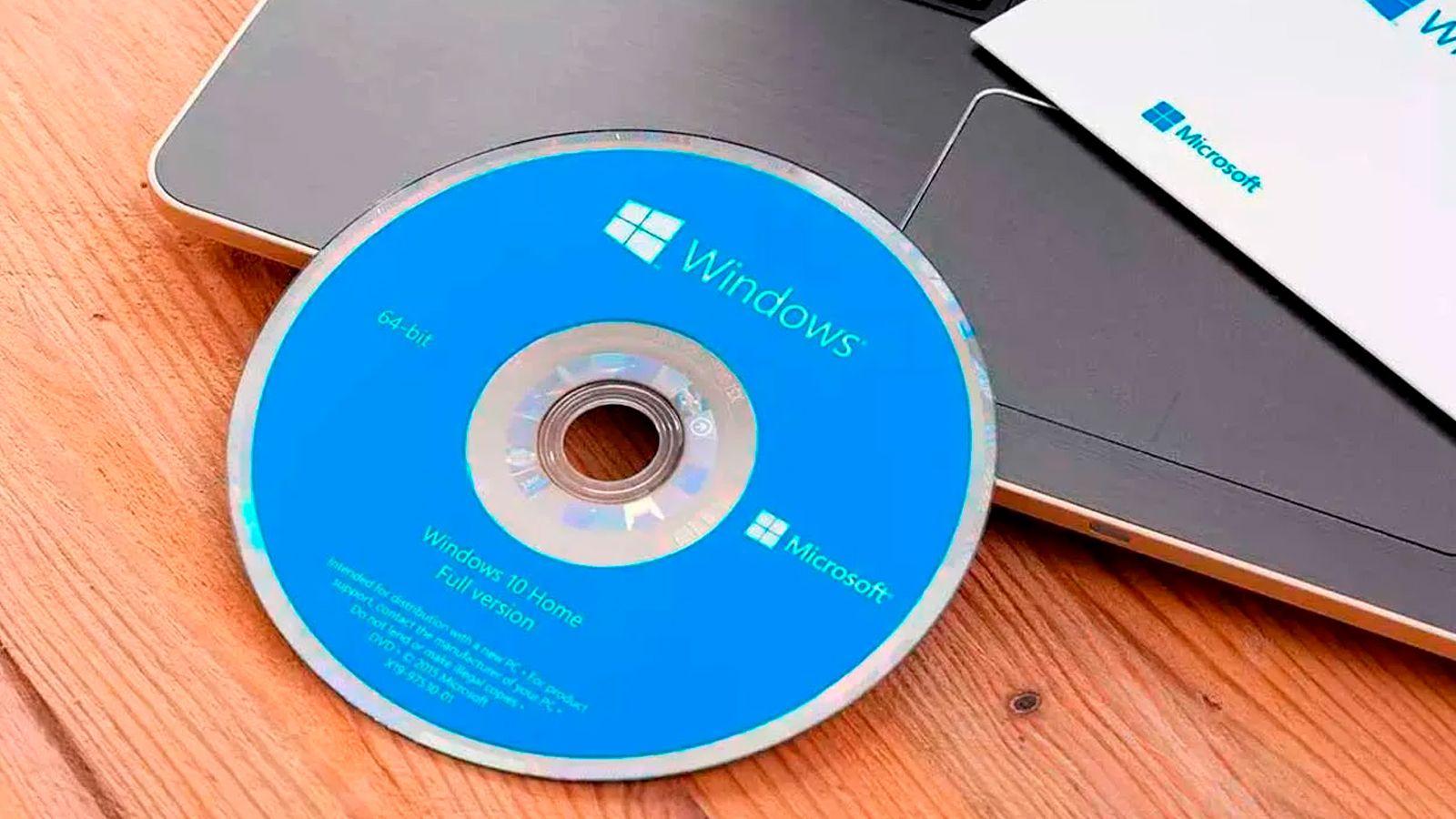
Microsoft had previously announced that October 14, 2025 would be the deadline for security updates for Windows 10 Home and Pro editions. Since then, any vulnerability that is discovered remains uncorrected.This leaves the systems vulnerable to potential attacks. The company strongly recommends migrating to Windows 11 to maintain protection, although it offers a temporary alternative.
In Spain, as in the rest of Europe, Many users and small businesses have not yet made the leapThe resistance to change is due, in part, to familiarity with the system and the hardware requirements demanded by Windows 11, which not all computers can meet.
Market share and the ESU program

Although Windows 11 has been on the market since October 2021, Windows 10 has maintained a market share of close to 30%. even after its support ended. This figure demonstrates the strong adoption it had during its eleven years of existence and the reluctance of some users to upgrade.
For those who cannot or do not want to migrate immediately, Microsoft offers the Extended Updates Unit (ESU) programThis allows you to continue receiving security patches for a limited time in exchange for payment. However, it is a temporary solution that does not cover all vulnerabilities and is not available for all versions of the system.
In short, the situation of Windows 10 is that of a system that, although still functional, has entered a phase of planned obsolescenceUsers who choose to keep Windows should be aware that without official updates, the security of their data and compatibility with new applications will be compromised in the medium term. Experts recommend planning the transition to Windows 11 or an alternative as soon as possible.