- AMD's Gainsborough APU appears in OpenBenchmarking with 6 cores, 12 threads and a base clock of 2,4 GHz.
- The sample includes 24GB of LPDDR5X at 9.600 MT/s and points to Zen 6 or Zen 6c, with RDNA 5 as a rumor.
- Preliminary benchmarks show some advantage, but they are not reliable because they are based on unpolished engineering and drivers.
- Valve has not confirmed anything about the Steam Deck 2, its price, release date, or final performance.

The potential successor to Valve's handheld console is back in the news thanks to an AMD leak. A sample codenamed Gainsborough has appeared on OpenBenchmarking , and several publications agree that it could be a candidate for the upcoming Steam Deck 2. It's important to take this with a grain of salt: there's no official confirmation, and it's just engineering data.
The interest lies not so much in a single result as in the type of hardware being tested. The leaked information indicates a six-core, twelve-thread processor with a base frequency of 2,4 GHz, along with 24 GB of LPDDR5X memory. These figures suggest an ambitious upgrade, but they don't yet allow us to confirm what the final product will be like or when it will be released.

What is known about the Gainsborough APU

The leak places this APU within AMD's Gainsborough family , a name that has fueled speculation about its potential future. Its appearance on OpenBenchmarking doesn't constitute an announcement or guarantee its commercial use, but it does indicate that someone is testing the component with reference software.
Regarding the processor, references point to Zen 6 or Zen 6c , although the exact architecture is not confirmed in the available information. The leap from the original model would be significant if confirmed: six cores and twelve threads represent a 50% increase in cores compared to the Steam Deck LCD, which had four cores and eight threads. For increasingly demanding games, that extra headroom could make a difference, especially in tasks that don't rely solely on the GPU.
The memory is also noteworthy. The sample was reportedly tested with 24 GB of LPDDR5X at 9.600 MT/s , a configuration superior to the 16 GB of the current model. However, it's important not to assume the final console will have that exact amount: early stages of development involve testing combinations that may later change due to cost, power consumption, or availability. Even so, this data shows that they are experimenting with a more generous memory capacity.

The GPU is precisely the part with the most unknowns. There's speculation about RDNA 5 , but the leak doesn't clearly detail how many compute units it will have or how the memory will be divided between RAM and VRAM. Some sources mention frequencies reaching up to 2,4 GHz, while others simply point out that the graphics component remains unidentified. This lack of specifics forces us to distinguish between a clue and a confirmed rumor.
Preliminary results: fewer conclusions than it seems
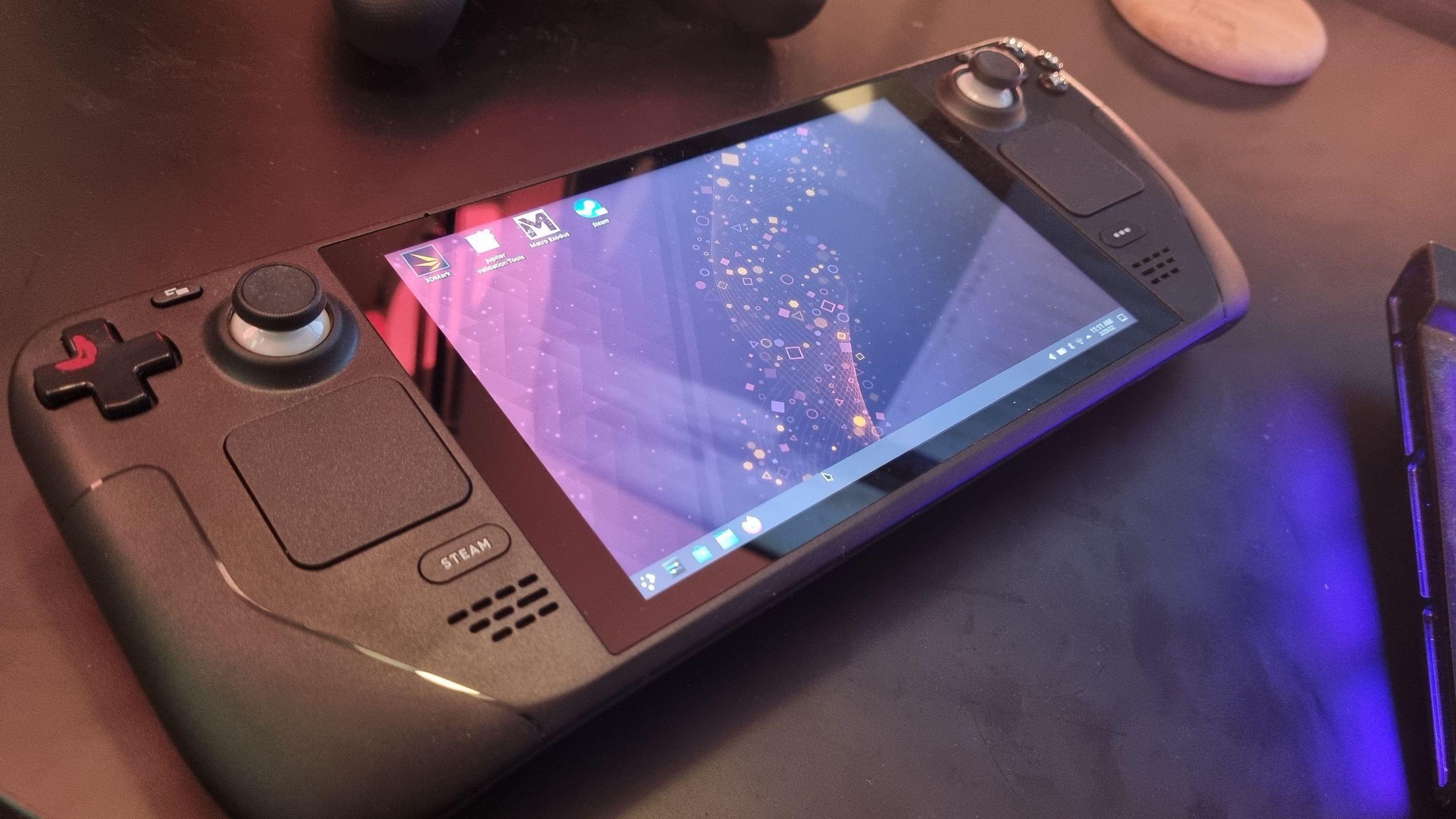
The tests compiled by OpenBenchmarking show results that invite comparison, but also many discrepancies. In FurMark, the sample scored 3.508 points at 1.024 x 768, compared to the Steam Deck LCD's 3.323 points at 1.280 x 800. The difference exists, although the resolutions are not identical, and the test context doesn't allow for a definitive conclusion.
It's important to keep in mind that this is an engineering sample . These components typically operate at lower frequencies and with unrefined drivers, so their numbers don't reflect the performance of a commercial version. In fact, part of the process involves verifying that the software boots and behaves stably, not pushing every watt to its limits from day one.
Therefore, these results serve more as a first impression than a reliable measurement. In some tests, the new APU would come out on top, and in others, not so much—understandable given the mix of resolutions, window modes, and preliminary drivers. The sensible takeaway is that there's room for a generational improvement, but any spectacular figures should be taken with a grain of salt until final systems are available.

Rumors have also suggested that the Steam Deck 2 could be nearly three times more powerful than the current model. This idea fits with the increase in cores and memory, but it hasn't been proven with the available data. Furthermore, discussing multipliers without knowing the game, resolution, power consumption, or graphics settings is incomplete. In short, all that glitters is not gold.
What remains to be confirmed and why it matters
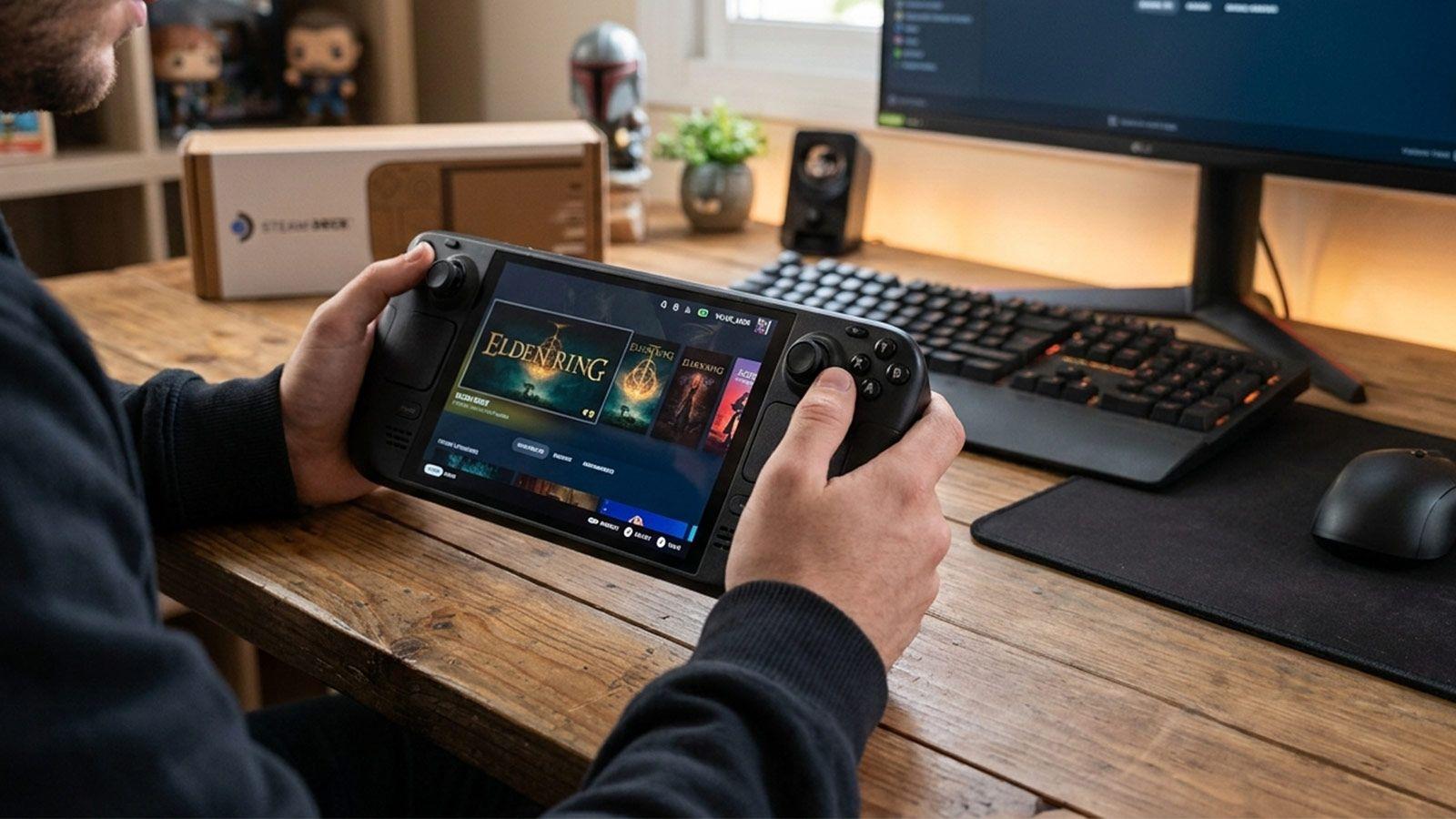
Valve has not officially confirmed that Gainsborough will be the basis for its next console. The connection is based on hints and leaks , not a formal announcement. It's also unknown whether the company will opt for this component, a modified version, or a completely different solution. In these types of projects, plans can change over time.
Another point that remains open is the price and release date . Benchmark leaks don't usually clarify when a product will hit the market or at what price. If the new machine is too expensive, the technological leap could become secondary for many users. If it takes too long, it could also coincide with other laptop alternatives that have advanced in the meantime.
For those who own a Steam Deck, the decision isn't easy. The current model still works for many games, especially if you adjust graphics settings and accept moderate refresh rates. Those looking for more future-proofing might be tempted to wait, but doing so without knowing the price, release date, and final performance is risky. If a good deal on the existing version appears, buying it might still make sense for those who don't want to wait any longer.
The leak paints a clear picture: there are tests with an AMD Gainsborough APU that aligns with what could be the Steam Deck 2, but everything is still in a very early stage. The six cores, 24 GB of memory, and preliminary performance suggest an interesting evolution, although doubts about the GPU, price, release date, and final performance outweigh the certainties. Until Valve makes an official announcement, it's prudent to treat this data as a clue, not a firm promise.
