- LittleBigPlanet revolutionized console platformers by focusing on playing, creating, and sharing levels with a massive community.
- The success of the original and LittleBigPlanet 2 was marred by plagiarism issues, broken discovery, and a buggy LittleBigPlanet 3.
- The closure of servers, Media Molecule's shift towards Dreams, and the digital removal of LittleBigPlanet 3 have officially ended the saga.
- Despite its commercial demise, the legacy of LittleBigPlanet remains present in the rise of user-created content in many current video games.
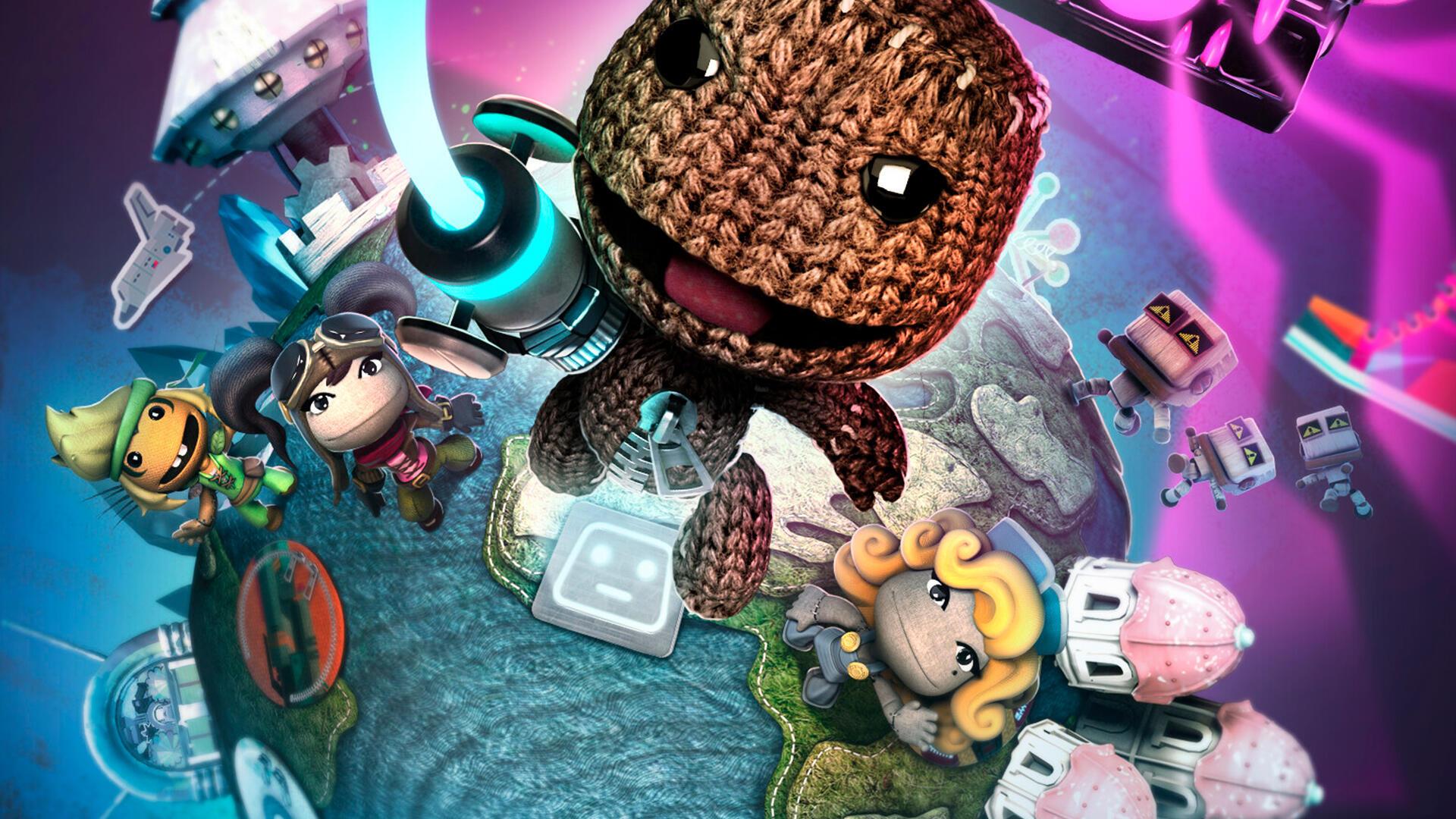
There are games that are burned into your memory. of an entire generation, and LittleBigPlanet is one of those clear examples. Not only was it an incredibly fun platformer, it also became a minor cultural phenomenon thanks to its commitment to letting players create and share their own levels when that wasn't yet the norm.
Para muchos, LittleBigPlanet was “the PS3 game”with Sackboy becoming a kind of unofficial PlayStation mascot. However, over the years, the series has faded from the digital landscape, its servers have been shut down, and the brand has taken a backseat, overshadowed by newer titles like Astro Bot and PlayStation's exclusive strategyWhat really happened to LittleBigPlanet and why has it almost faded into oblivion?
The birth of a phenomenon called LittleBigPlanet
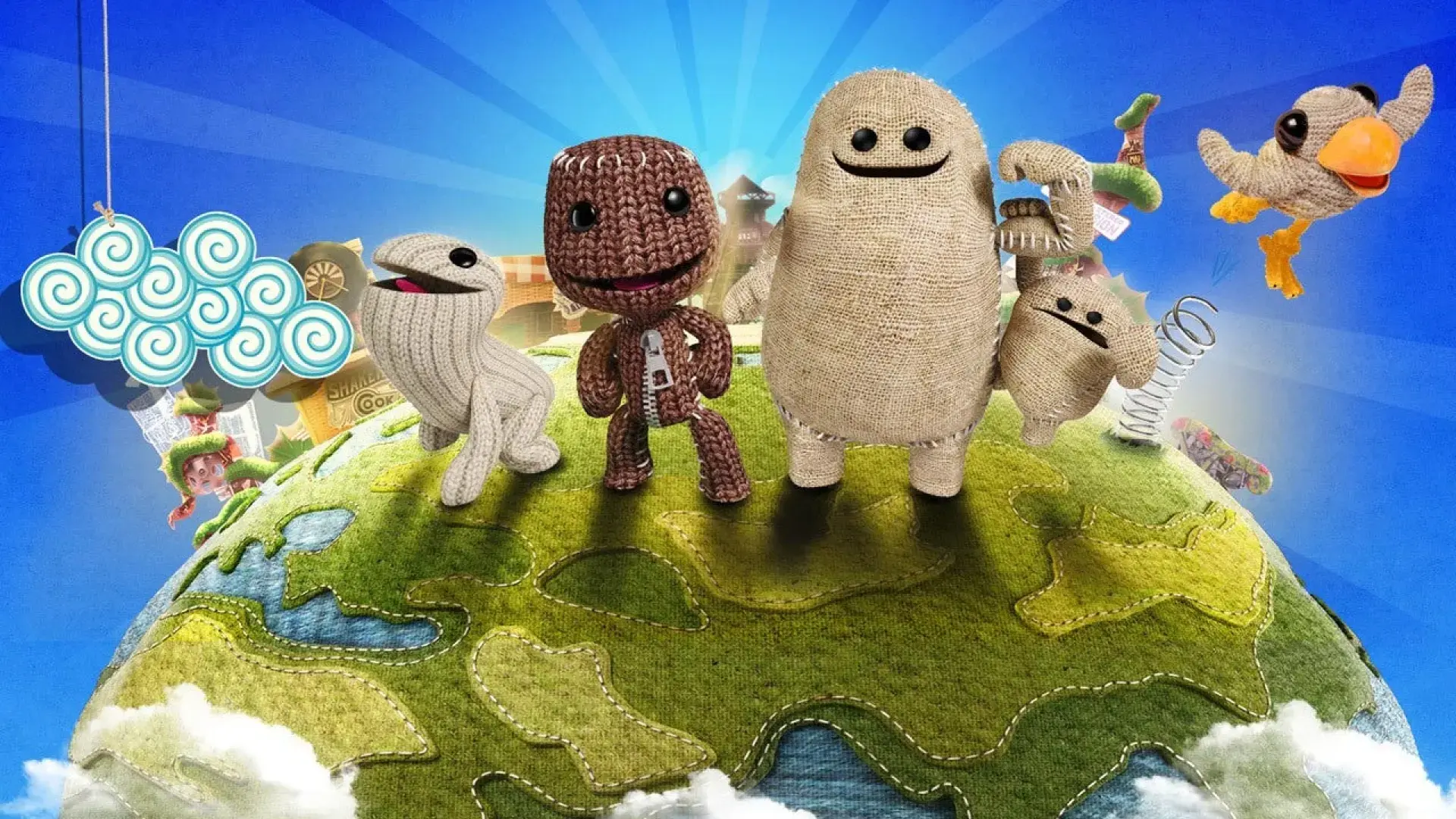
The story of the saga begins with Media Molecule, a small British study Founded by several former Lionhead Studios employees after the release of Rag Doll Kung Fu in 2005. Their idea was clear: they wanted to make a game focused on user creativity, in which the player would not only be limited to completing levels, but could also build them.
That initial concept was presented to Sony under the codename “Craftworld”Phil Harrison, then president of Sony Computer Entertainment Worldwide Studios, immediately saw the potential. The prototype combined physics, materials, a "handmade" gameplay feel, and a strong community focus. Sony decided to fund the project and make it one of the flagship titles for the PlayStation 3.
LittleBigPlanet was publicly announced in the Game Developers Conference 2007And from that moment on, it began to generate excitement among the press and players. Its mix of platforming, level editor, advanced physics, and an endearing protagonist—Sackboy, a fully customizable rag doll—were particularly noteworthy.
After a well-orchestrated marketing campaign, beta testing phases, and a slight delay to remove controversial lyrics from a licensed song, LittleBigPlanet went on sale between October and November 2008 It was released worldwide for PlayStation 3, both on dual-layer BD-ROM and as a digital download. Later, a Game of the Year Edition with extra content was even released.
How it was played: a creative platformer with physics and community
LittleBigPlanet was presented as a platform and sandbox-style logic gameThe player controlled Sackboy (or Sackgirl, depending on the customization), who could run, jump, grab, push, and drag objects. The great thing about it was that the entire environment responded to a powerful physics engine that gave each object weight, friction, and "realistic" behavior within the world of rags and cardboard.
Although the camera showed a side view, The levels consisted of three planes of depth (foreground, middle ground, and background) between which Sackboy could move. This allowed for puzzles and platforming that were somewhat more complex than their 2D appearance might suggest at first glance.
In addition to basic movement, the character could express emotionsTo show joy, fear, sadness, or anger; to move the arms independently with the analog sticks; to slap other players; and to use the Sixaxis motion sensor to animate the head and body. All of this reinforced the feeling of "playing" with a physical doll in a handcrafted world.
The game was structured in three main sections: Play, Create and ShareThe famous slogan of the saga. The "Play" section offered a story mode with levels designed by Media Molecule, while "Create" gave access to the level editor, and "Share" allowed users to publish creations online and discover those of other players (before the servers were shut down in 2021).
The players began in their personal poda kind of floating room that served as a base of operations. From there they could choose story mode, access the level editor, customize the environment with stickers and decorations, or go out in search of community-created content on the so-called "satellite."
A story mode full of worlds and characters
Behind all the creative approach there was also a classic platform campaignwith eight large thematic areas inspired by different regions of the real world. Each one corresponded to a "Creator Curator", a character responsible for a set of levels.
Sackboy's journey took him through Gardens, Savannah, Weddings, Canyons, Metropolis, Islands, Temples and DesertEach zone paid homage to places like Great Britain, Africa, South America, Mexico, the United States, Japan, India, and Siberia, respectively. In total, the story mode included 51 pre-designed levels, with main stages and bonus levels unlockable using collectible keys.
In the Gardens, Sackboy met the Reywho acted as his host and taught him the basic mechanics. Afterward, the King sent him to the Savannah to help Zola, where a minor mishap involving a bison and some crocodiles led to the resolution of a misunderstanding between Meerkat Mum and King Croc, when Sackboy found the missing Stripy Tail at a VIP club.
The Wedding area revolved around Frida and her boyfriend Don LuDon Lu was lost and exhausted in the crypts, while Frida, desperate after believing she had been abandoned, climbed into a destructive machine called the Skulldozer. After rescuing Don Lu and stopping the chaos, they decided to go on their honeymoon to the Canyons, inviting Sackboy along the way.
In the Canyons, Uncle Jalapeño was kidnapped by Sheriff ZapataSackboy had to free him using bombs and confront Zapata himself at the Serpent Sanctuary, where the villain ended up blowing himself up. Looking forward to a vacation, Jalapeño joined Sackboy on their journey to Metropolis.
In the Metropolis, mechanic Mags suffered the theft of her car at the hands of Ze DudeAfter a chase that ended with the vehicle in a river and a battle against the hooligan and his goons, Sackboy recovered the car and proved himself a worthy fighter. Ze Dude, impressed, sent him to the Islands.
In the Islands, the Grand Master Sensei He trained Sackboy to become a warrior and face the Terrible Oni. After rescuing the Sensei's flamethrower cat from a sumo wrestler and overcoming various trials, Sackboy made his way to the volcano to confront these enemies and, later, traveled to the Temples in search of a new flamethrower cat.
In the Temples, a shopkeeper sent Sackboy to see the Goddesswhich in turn revealed to him that the Great Wizard He needed help to "bring sharing back to LittleBigPlanet." The wizard revealed to him the existence of the Collector, a character who was stealing creations all over the planet without sharing them with anyone.
The final arc took place in the Desert, where Sackboy infiltrated the Collector's BaseHe freed all the imprisoned creatures and Curator Creators and faced several combat machines. Upon being defeated, the Collector confessed that he had turned evil because he had no friends with whom to share his creations. The King then reappeared to address the player and welcome them to the LittleBigPlanet community.
Critical success, million-dollar sales, and an unleashed community
Sony and Media Molecule's gamble paid off handsomely. LittleBigPlanet was a critical success, with very high ratings (around 95/100 on Metacritic) and praise for its creativity, its artistic style made of cardboard, wood and fabrics, its soundtrack and, above all, for its focus on community and content creation.
Although sales started moderately, word of mouth did its work and the game eventually became a commercial success with around 4,5 million copies soldIn its first year it had already surpassed three million and accumulated numerous awards for Game of the Year, best art direction, best design and innovation.
What was truly impressive was the community responseWithin hours of its launch, the first user-created levels began to appear. Before its first anniversary, LittleBigPlanet had already amassed over a million online levels, a phenomenal feat for the time, when social media didn't dominate daily life as it does now.
The level editor, the sticker system, Popit (the radial menu for placing objects, materials, decorations, and logic), and the ability to play online with friends attracted many young players. discover their creative vocationIt is not uncommon to find testimonials from people who, having grown up with LittleBigPlanet 2, ended up studying programming, video game design, graphic design or engineering precisely because the game "sparked" them.
In retrospect, several media outlets have recognized LittleBigPlanet as one of the best video games of all timenot only for its technical quality, but also for its impact on how we understand user-generated content on consoles.
The perfect sequel: LittleBigPlanet 2
With the success of the original, the sequel was not long in coming. LittleBigPlanet 2 arrived in 2011 for PS3Maintaining the foundation of the first game but taking creation to another level, Media Molecule remained in charge and focused on expanding the tools to the point that, more than a level editor, the game became almost a kit for making complete games.
Although sales did not reach the stratospheric figures of the first title, LittleBigPlanet 2 is generally considered the highest-rated installment of the saga. The community was already fully established, and the new options for logic, camera control, scoring systems, sackbot AI, and the possibility of creating different minigames sparked creativity.
The result was a real boom: The number of levels created far exceeded the original game And the franchise even held a world record for the most user-generated levels in a video game, with around nine million levels, which equates to about 200 new levels per hour. Absolutely insane.
For many born in the early 2000s, LittleBigPlanet 2 was the place where they learned logic and design Almost without realizing it. Behind the adorable appearance was a tool capable of intuitively teaching programming concepts, interface design, and the creation of complex systems.
The first problems: plagiarism and broken discovery
Paradoxically, part of what made LittleBigPlanet great ended up becoming one of the reasons for its wear and tear: their community. The more people participated, the more difficult it became to keep the system healthy and orderly.
One of the black marks was the massive plagiarism of levelsSome users were downloading other people's creations, modifying them minimally (or not at all), and re-uploading them as their own to accumulate views, positive ratings, and reputation within the game. The search and discovery system wasn't equipped to handle this type of behavior on a large scale.
Over time, the section for finding new levels ended full of copies, cloned versions, and repeated contentThis made it very difficult to find fresh and original ideas. Many genuine creators became discouraged when they saw their work buried under waves of plagiarism.
For players who just wanted to enjoy good levels, the experience also deteriorated: You had to search too hard to find anything of qualitySomething similar to what happens today with car designs in games like Need for Speed or Hot Wheels Unleashed, where duplicate content and uncredited copies flood the galleries.
This broken discovery problem was one of the first signs that The "anything goes as long as the community believes" model had limits and it needed more controls, filters, and content curation to stay healthy in the long term.
Expansion, spin-offs and change of hands
After LittleBigPlanet 2, Media Molecule began to gradually distance themselves from the sagaMeanwhile, Sony sought to further exploit the brand across more platforms and formats. In total, the franchise spawned multiple main installments and spin-offs.
In 2009 was launched LittleBigPlanet for PSPDeveloped specifically for the handheld console, with adapted levels and content, while maintaining the spirit of the original PS3 version. Later, in 2012, it would arrive LittleBigPlanet PS VitaDeveloped by Tarsier Studios and Double Eleven, it won the hearts of many fans for making good use of the console's capabilities, even though it no longer had the groundbreaking impact of the first game.
There was also room to experiment with different genres. LittleBigPlanet Karting The idea of creating and sharing content was transformed into a kart racing game, in the purest Mario Kart style but with the customization and track-building elements characteristic of the series. Media Molecule was no longer directly involved in this project, which was handled by other studios.
Meanwhile, Sony announced LittleBigPlanet HUB In 2013, a special platform or version was planned to further enhance the community aspect. However, the project was ultimately canceled without a clear explanation, leaving fans quite bewildered and giving the impression that Sony no longer had a solid roadmap for the franchise.
There was also room for forays into mobile devices, such as Run Sackboy! run!Released in 2014 for PS Vita and Android devices as a free-to-play endless runner starring Sackboy, it was, while charming, far from offering the creative depth that defined the core of LittleBigPlanet.
LittleBigPlanet 3: Rushed Release and Serious Bugs
The turning point came with LittleBigPlanet 3Released in 2014 for PS3 and PS4, this time developed by Sumo Digital. Sony wanted the game ready for the holiday season, which put obvious pressure on the development schedule.
The result was a launch full of technical problemsThe game arrived in stores unpolished, with a worrying number of bugs. Errors of all kinds were detected, from graphical glitches and crashes to performance issues and, most seriously, a high probability that all player progress would be permanently erased.
To top off, There was no real crossplay between the PS3 and PS4 versionsThis further fragmented the community. Many of these bugs, as players acknowledge even today, were never fully resolved, seriously damaging the reputation of the game and the series as a whole.
Although LittleBigPlanet 3 maintained the essence of play, create and share And with the introduction of new playable characters with their own unique abilities, the general feeling was that the game had been released prematurely. For a large part of the fandom, this third installment was "the final nail in the coffin."
Meanwhile, in 2020, the following arrived Sackboy: A Big AdventureAlso developed by Sumo Digital, for PS4, PS5, and later PC. This time it was a pure 3D platformer, without a level editor or community focus, centered on the leap to the classic three-dimensional environment. Although it's a solid and fun game, it feels more like a Sackboy-centric spin-off than a direct descendant of the LittleBigPlanet spirit.
Server shutdowns, digital retreat, and the role of Dreams
The final blow to the original LittleBigPlanet model came with the progressive shutdown of its online servicesIn 2021, Media Molecule and Sony announced the permanent closure of the servers for LittleBigPlanet, LittleBigPlanet 2, and LittleBigPlanet 3 on PS3, as well as LittleBigPlanet for PS Vita. Since then, only the PS4 version of LittleBigPlanet 3 has maintained its online functionality.
This meant that A huge part of the experience was suddenly lost.All those millions of levels created over the years became officially inaccessible in many versions of the game. The title that had made creation and sharing its cornerstone was left without its main pillar on most of its platforms.
Meanwhile, Media Molecule focused on its next big project: DreamsReleased in 2020, this game-tool can be considered the spiritual successor to LittleBigPlanet, expanding the concept of creation to the point of allowing users to design entire games, animations, music, and interactive experiences of all kinds. The philosophy remained the same: to give players powerful tools and an environment to share their creations.
Dreams even included a direct homage to Sackboy and the LittleBigPlanet universeAs a nod to the studio's origins and its veteran community, however, despite its ambition and almost limitless possibilities, it didn't resonate as deeply with the general public as the original LittleBigPlanet, perhaps because the current market is much more saturated and because the concept, for many, was too complex.
It was launched in February 2023 ultimate sackboy For Android and iOS, another mobile foray. It's still available on the Google Play Store, though it falls far short of what a classic fan would consider a true LittleBigPlanet game. It feels more like an attempt to keep Sackboy's image alive in a different niche, lacking the depth of the original.
The disappearance of LittleBigPlanet 3 from the PlayStation Store
The situation took an even more awkward turn when it was announced that LittleBigPlanet 3 was going to be withdrawn from sale in digital formatIn a statement published on the saga's official account on X (formerly Twitter), it was announced that, after 10 years of "playing, creating and sharing", the game and the entire LittleBigPlanet DLC catalog would be removed from the PlayStation Store on October 31, 2024.
This not only affects LittleBigPlanet 3 on PS4, but also all the DLC for the saga that were still available. The official message presented it as a friendly reminder: anyone wanting to get a digital copy of the game or any downloadable content had this last chance before they disappeared from the store.
However, it was clarified that Anyone who already owned the game or any DLC could continue downloading and playing it. even after its removal. The same applies to those who obtained LittleBigPlanet 3 through PlayStation Plus Essential; even if it disappears from the catalog, users who redeemed it will still have it associated with their account.
The striking thing is that No specific technical or legal reasons were offered. This decision opened the door to all sorts of theories and debates among fans. From music licensing issues to pure corporate strategy, the only clear thing is that Sackboy has been gradually disappearing from the official PlayStation digital storefront.
The situation is perceived as a strange case: a game that was an emblem of the PS3 era and a symbol of creativity on consoles It ends up being removed from the store as if it were a minor title. Meanwhile, other franchises receive constant remasters, remakes, and re-releases, creating a rather stark contrast.
From unofficial mascot to digital ghost
During the PS3 generation, Sackboy was practically the visible face of PlayStation Alongside other icons like Kratos and Nathan Drake, he appeared in advertisements, collaborations, cameos, and special editions, and everyone associated his image with the lighthearted creativity of LittleBigPlanet.
Today, the situation is very different. Astro Bot has become the new darling of the PlayStation familySackboy has been relegated to the background, with occasional appearances, such as his cameo in games from other studios, but without a clear project to recapture the spirit of the original saga.
This raises an uncomfortable question: Is Sony still interested in the deep creation tools model? And user-generated content, or is the current priority more on closed experiences, remakes, and large, meticulously controlled productions? The server closures, the end of Dreams support, and the removal of LittleBigPlanet 3 from the store don't exactly inspire optimism.
In any case, the mark left by LittleBigPlanet is still very much present. Every time a modern game allows us design levels, worlds, bases, cars or houses And sharing them on social media, Twitch, YouTube, Reddit, or X—its DNA is there in the background. From Minecraft to Mario Maker, including complex game editors like GTA V, Far Cry, Animal Crossing, Fallout 4, or Hogwarts Legacy, the idea of "playing by creating" is now commonplace.
Although the name LittleBigPlanet has almost fallen into oblivion within the current PlayStation catalog, His legacy lives on in how we understand the relationship between player and content today.What in 2008 seemed like a crazy idea way ahead of its time, today is a basic piece of the ecosystem of many modern video games.
Looking back, the story of LittleBigPlanet is that of a A saga that went from being pioneering and iconic to fading away amidst corporate decisionsTechnical problems and changes of direction have marked its journey, but so has the legacy of a game that inspired thousands of players to create, program, and design. Even if its servers are shut down, its games are removed from the Store, and its mobile spin-offs fall short, every creative spark it ignited continues to influence the industry and the people who grew up building levels with Sackboy.
