- Territorial PvP combat games combine battles between real players with zone control systems, kingdoms, and persistent campaigns.
- Titles like New World, Art of War 3, Crowfall, or War After offer faction wars, sieges, and progression tied to map domination.
- Strategy, clan coordination, and medium-term planning are just as important as mechanical skill in combat.
- Temporary events, competitive seasons, and balanced matchmaking systems keep the PvP experience alive in the long term.
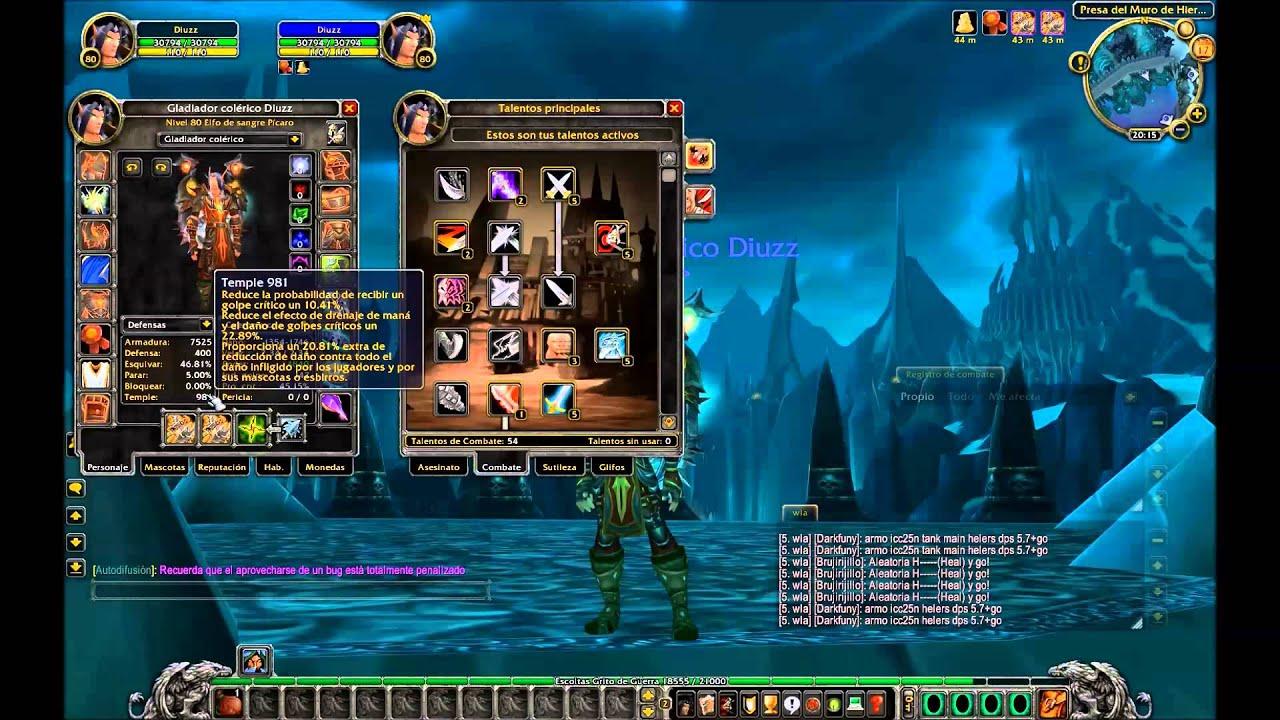
In recent years, PvP combat games focused on territory control have become the perfect playground for those who enjoy fighting for more than just points or killstreaks. What matters here is who rules the map, how the factions are organized, and how far you're willing to go to claim that fortress, that remote outpost, or that piece of devastated world.
If the idea of joining a faction, participating in massive battles for strategic zones , ganking in enemy territory, or taking part in programmed wars where every decision matters appeals to you, these types of games blend the best of PvE and competitive PvP. From post-apocalyptic first-person shooters to open-world MMORPGs like Star Citizen or real-time tactical strategy games, the range is enormous… and they all revolve around the same idea: fighting for territory and holding it against other real players.
What does it really mean to play PvP combat for territories?
When we talk about PvP-focused territorial control games , we're not just referring to jumping into a quick match, but to systems where the map is divided into zones, kingdoms, or sectors, and factions fight to control them. In many cases, there are global rewards, bonuses for the ruling faction, and significant effects on the economy or progression of all players on the server.
In these types of games, encounters can range from highly personal 1v1 duels to full-blown 50v50 wars or even larger, with sieges of forts, capture points in between, supply lines, and PvE objectives that influence the overall balance of power. The key is that, on the other side, there's no predictable AI, but other players also trying to impose their strategies.
A key aspect of this genre is the blend of direct combat and strategic decision-making : when to attack, when to retreat, which point to defend, whether it's worth risking equipment in enemy territory, or whether it's worthwhile to do PvE missions to weaken the opponent before declaring war.
Furthermore, most modern territorial PvP experiences are free-to-play online games where you can start without spending money and access all competitive modes. Optional purchases are usually more related to cosmetics or progression shortcuts than to locking access to faction wars or major sieges.
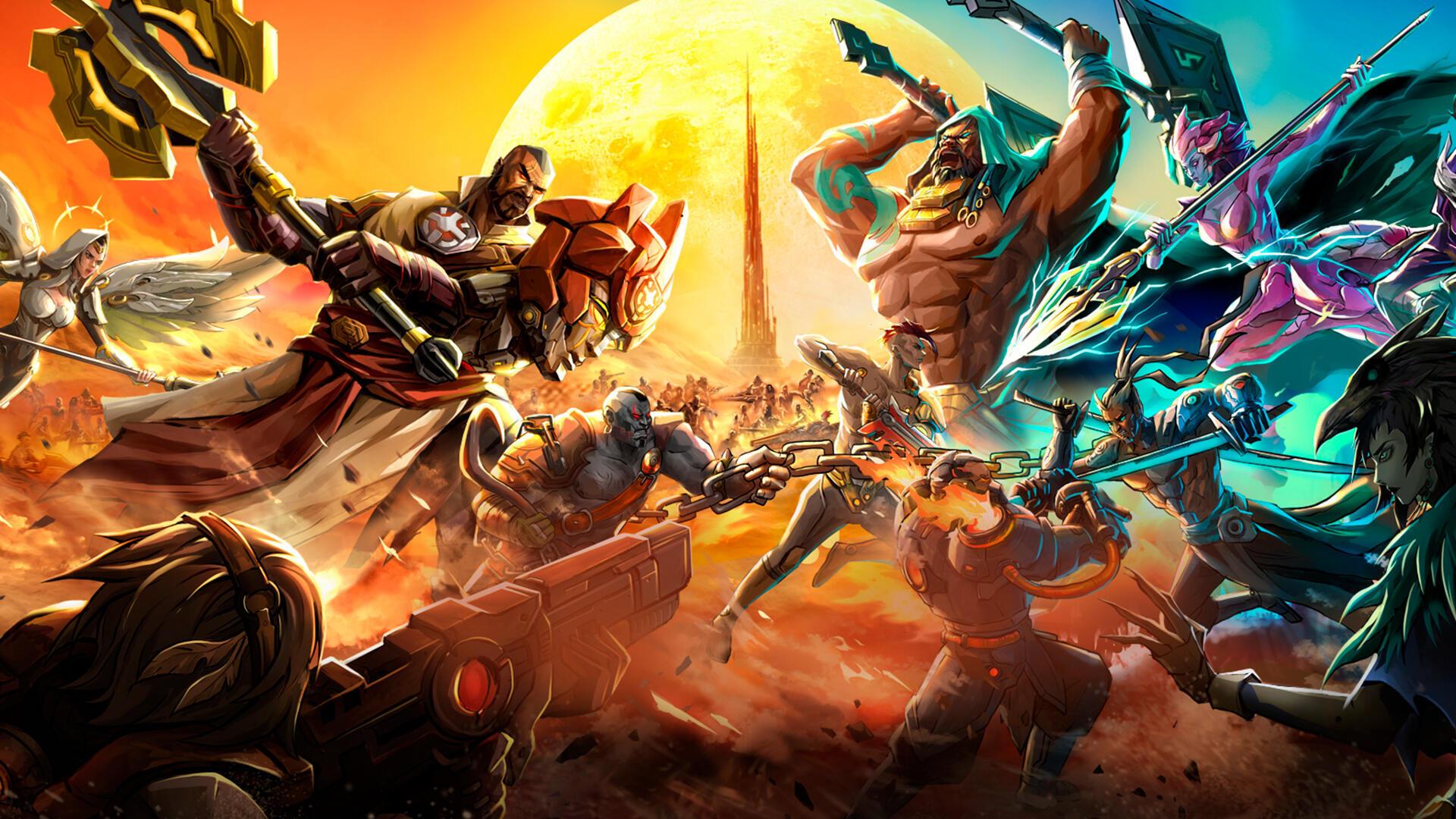
New World: Faction Wars and Assaults on Remote Outposts
New World is an MMORPG where the PvP structure revolves around factions and territorial control . Beyond the typical 1v1 duel between players, the core of the system is the struggle between large groups for control of entire regions of the map, with economic and strategic benefits for the ruling faction.
The first thing the game requires is progressing through the main story until you can join one of the factions . From there, you can toggle PvP on or off at will, usually with a specific key (like U) as long as you're in a safe settlement or camp. While PvP is enabled, you receive bonus experience and more rewards , but you also become vulnerable to being hunted by other players while completing your missions.
This freedom to turn PvP on or off in safe environments allows people who just want to craft or level up quietly to do so, while those who seek constant fighting activate the mode, enjoying more risk and better benefits for exposing themselves to danger.
Faction Wars in New World
The flagship mode for territorial control in New World is the 50 vs. 50 faction wars . The system works in such a way that, as the faction controlling an area weakens through hostile PvP or PvE missions, the territory enters a state of conflict and can be challenged to a formal war by another faction.
It is the companies (clans) that declare war and enter a lottery to decide who leads the offensive. Even small companies can be chosen as the main force and then reinforce their lineup with faction volunteers to fill the 50 slots for the assault. This way, anyone has a chance to lead the attack, not just the larger groups.
During the war, the attacking side's objective is to capture the central control point of the fort in the area. If they succeed, the territory changes hands, and the victorious faction enjoys local advantages: increased tax revenue, various bonuses, and prestige within the server. Naturally, as soon as one faction gains control, it becomes a priority target for the others.
For the defending faction, arriving at war weakened means fewer defensive advantages during the siege , so the prior work of completing missions and maintaining territorial influence is as important as direct combat during the war event.
Assault on remote outposts: Large-scale PvPvE
In addition to classic wars, New World features Outpost Assault , a PvPvE format that combines player-versus-player combat with AI-controlled enemies. Here, teams of 20 players face off against 20 others , not counting the monsters that roam the map and complicate matters.
In this mode, accessible to level 60 players solo or in groups of 5 , both teams spawn at opposite ends of the map. Between them are three central control points that are the primary objective. The task is to capture these points, reinforce them, and hold them while defending against enemy incursions.
Staying within a captured point generates points over time , and eliminating other players adds even more. The first team to reach 1.000 points wins, so there's constant pressure to decide whether it's best to attack another outpost, defend the one you already hold, or go after enemies farming resources.
Throughout the game, it is possible to upgrade outpost structures , unlocking armories for ammunition, shared storage for resources, and other tactical advantages that make it easier to withstand enemy assaults and maintain territorial control for as long as possible.
MMOs like Albion, Foxhole, or Planetside with monthly resets
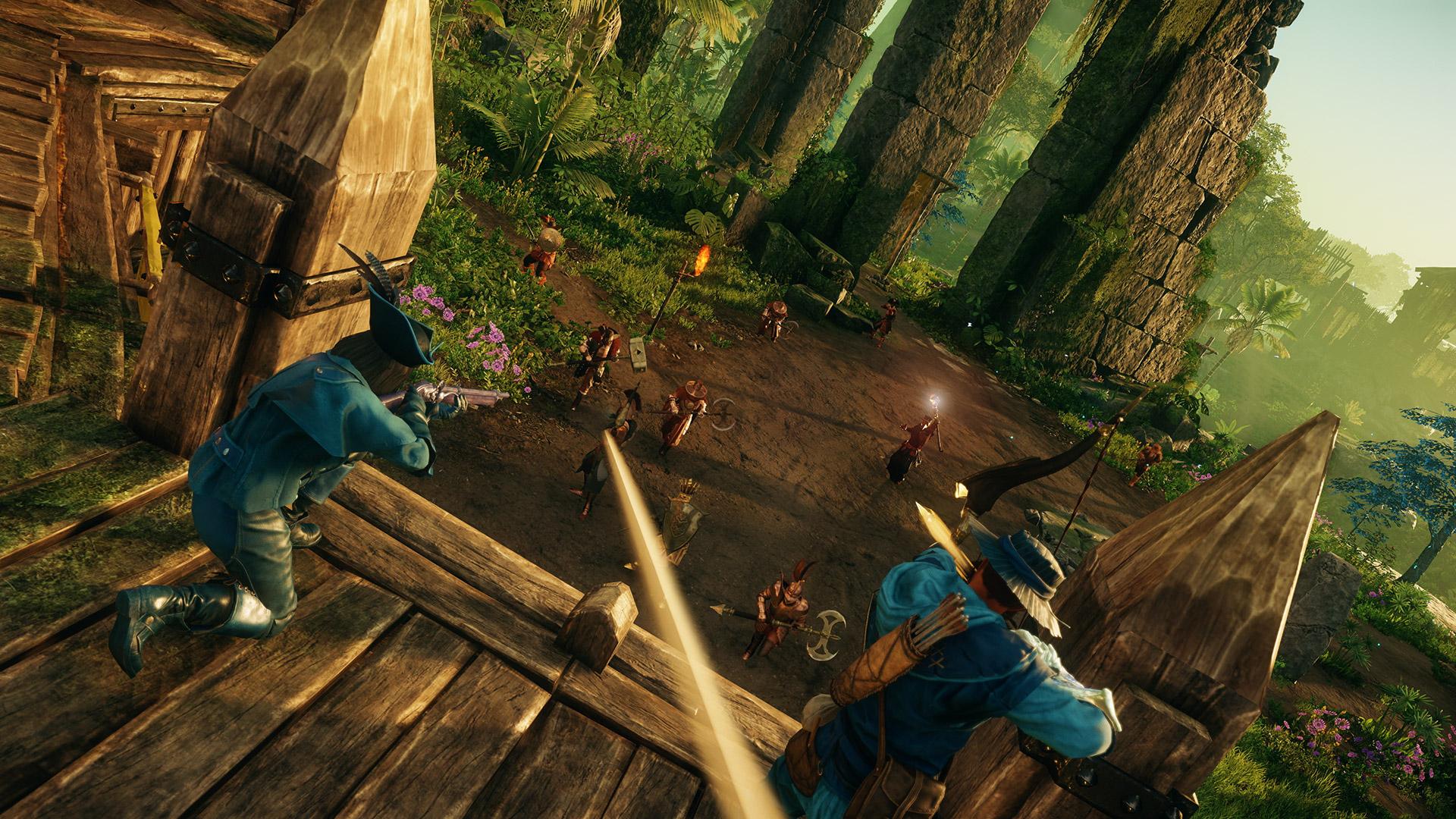
There's a whole wave of games that combine elements of Albion Online, Foxhole, and Planetside , focusing on limited-duration campaigns where various factions fight for control of the map until the season ends and everything resets. A recent example blends MOBA-style combat, RPG-style progression, and a system of six opposing factions locked in a kind of all-out war that resets every month.
In this model, the game cycle is a continuous PvPvE battle between six factions . The level cap isn't fixed from the start: it gradually increases throughout the month, unlocking new mechanics at each stage. The factions start from the corners of the map and advance towards the center , where the most valuable and hotly contested areas are usually located.
The PvE is very polished, with a quality that rivals or even surpasses Albion Online . Your build is based on the weapons and armor you use, but also on your chosen hero, who provides an additional active and passive ability. There are tanks, healers, pure DPS, and a good selection of hybrids, allowing for experimentation with very different combinations.
The presence of heroes might seem jarring at first, but in practice they act as a complement to your build . Each map offers PvE content for both solo and group play: dungeons, quests, bosses, and activities that you'll encounter alongside other players. It's common to start solo and eventually join forces with people you meet frequently, forming guilds and voice-organized groups.
A PvP game with ganks, territorial control, and scheduled wars
PvP in these games is experienced at different levels. In day-to-day play, you'll typically find small 5v5 or 10v10 skirmishes , or chaotic battles around chests and shared objectives. While trailers show 100v100 clashes with massive health bars, most real-world situations are more contained and tactical.
One of the most striking elements is the ability to enter enemy territory to gank those who are peacefully engaging in PvE, gathering resources, or completing missions. This creates an interesting balance: you need to farm to progress, but leaving safe territory risks losing equipment or being ambushed.
Death often results in partial loot : for example, you might lose a random piece of equipment when you're killed. This makes the punishment not extreme, but annoying enough that dying 40 or 50 times in a row without completing any PvE activities really stings. It forces you to weigh risks and not rush into attacks without thinking.
Twice a day, the server enters what's called "war mode ." During these periods, territory becomes vulnerable and PvP activity skyrockets. Factions that normally spend their time engaging in PvE or small skirmishes switch gears and band together to launch coordinated offensives against enemy zones, attempting to capture key points on the map before the war window ends.
The schedule for this mode is usually voted on by the community itself , to ensure that peak activity times are accessible to as many players as possible. On some servers, players even combine both windows into a single block with almost no breaks, concentrating several consecutive hours of intense battles in the late afternoon.
Card games and 1 vs 1 PvP strategy with board domination
Within the territorial PvP genre, lighter fare options like World War Doh also fit in —a strategy card game with real-time 1v1 combat. Although there's no persistent world map, each match is structured as a small battlefield where you have to dominate the playing area by controlling lines, destroying objectives, and relentlessly pressuring your opponent.
Here, the focus is on controlling your commander and their army of misfits . During RTS battles, you have to upgrade your commander on the fly, manage resources, and change strategies on the fly to counter the opponent's tactics. No time to rest: the pace is fast, chaotic, and highly aggressive.
The progression is based on unlocking, collecting, and upgrading unique cards to build the perfect deck for your playstyle. From that deck, you construct an army capable of overwhelming enemy defenses , raiding rival bases, and even sealing the victory with custom dances and taunts, because the game's tone is decidedly lighthearted and irreverent.
As you rack up victories, you climb the PvP rankings and gain prestige , aiming to become a legendary dictator. Like most current competitive games, it's free-to-play with optional in-app purchases ranging from small amounts to more expensive packs, available on both iOS and Android.
PvP games focused on strategy and prolonged control
Beyond specific titles, there's an entire category of games where PvP revolves around planning, territorial control, and medium- to long-term management . Here, it's not just about how fast you mash buttons, but how you interpret the context, anticipate your opponent, and make decisions that have repercussions for days or weeks.
These games offer everything from direct duels to clan wars and alliances , as well as competitive leagues with rankings. You can fight for specific territories, besiege enemy fortresses, or simply compete for position on a global leaderboard, but in all cases there is a strategic component that extends beyond a single battle.
One of the key features of this category is its adaptability to the player's availability . You can jump in for a couple of quick battles, plan strategic actions that unfold over time, or participate in lengthy campaigns that develop over weeks. And, in many cases, they offer synchronized progress between PC and mobile, allowing you to pick up right where you left off.
Typical characteristics of territorial PvP games
In these types of competitive experiences, the battles are always against other real players , not fixed AI patterns. Each match is different because the pace, decisions, and playing style of the opponent change. Victory usually depends more on how well you adapt to the context and on prior preparation than on following a magic formula.
Almost all of them include matchmaking systems that seek out opponents with a similar level of progress and performance, reducing unfair matches and allowing you to improve gradually. This way, newcomers can learn without being constantly crushed by over-invested veterans.
Another important feature is that PvP isn't limited to the moment of combat. Choosing how you develop your troops, cities, or heroes , where you invest resources, which objectives you prioritize, and how you prepare before a conflict are fundamental parts of the experience. Medium-term strategic planning can be just as crucial as micromanagement during battle.
The selection of competitive modes is usually very varied : there are quick duels, clan wars across the map, area control battles, seasons with specific rewards, and limited-time events with alternative rules. This helps prevent PvP from stagnating and constantly offers different ways to compete for territory and prestige.
Single-player, clan-based gameplay, and progression tied to PvP
Most of these titles allow you to compete both individually and as part of clans or alliances . You can go it alone in 1 vs 1 duels or join large groups where roles are more defined: who focuses on logistics, who leads attacks, who organizes the defense, or who coordinates espionage and diplomacy.
Progress is often closely tied to your active participation in PvP : winning matches, contributing to faction wars, maintaining rankings, or completing competitive objectives grants resources, permanent upgrades, and access to higher challenges. Even when you don't win, many games reward activity to avoid overly punishing losses.
The pace of the game is flexible, so you can focus on short bursts of intense combat or dedicate yourself to planning and management, participating in conflicts that last for several days. This greatly democratizes access to territorial PvP: you don't need daily marathons to feel like you're progressing.
Current trends in PvP and territory wars
Modern PvP games have evolved to offer competitive experiences that are intense yet fair and sustainable . It's not just about who has more free time, but about creating dynamic environments where the challenge grows with the player and communities remain vibrant.
A clear trend is the use of dynamic matchmaking, which takes into account level, progress, and recent performance to produce balanced matchups. This reduces large imbalances and allows for more gradual improvement, which is essential when territories are at stake and wars are protracted.
The idea of progression being linked to participation, not just victory, is also being reinforced . In other words, contributing to clan wars, supporting your team, helping in sieges, or simply being active often grants rewards even if the final result isn't favorable. This encourages more players to enter PvP without fear of "wasting their time."
Another strong trend is temporary PvP events with special rules : limited-time modes that break the routine, offer different conditions, or provide alternative formats for territorial control. They serve both to experiment with new systems and to offer a break from the main competition.
Finally, the clearly defined competitive seasons stand out , with periodic ranking resets, specific objectives, and exclusive rewards. This approach prevents the scene from stagnating, gives new players a chance, and allows all factions to compete again from a more level playing field every so often.
Examples of territorial PvP in shooters, strategy games, and MMORPGs
Within this ecosystem, there are games that approach the concept from very different angles: from fast-paced mobile FPS games to classic real-time strategy games or MMORPGs based almost entirely on campaign warfare. All of them, however, share the idea of fighting to control regions, maps, or entire kingdoms.
War After: a post-apocalyptic PvP shooter for mobile
War After is a PvP FPS set in a post-apocalyptic future where resources are scarce . Several factions relentlessly clash in combat arenas to seize what little remains, and you join one of these special forces to experience constant firefights in a world in ruins.
The matches are fast-paced and focused on online combat against players from around the world . There's a wide variety of modern weapons: pistols, submachine guns, assault rifles, sniper rifles, shotguns, and even grenades. Each category has several models so you can find the one that best suits your play style.
Progress is based on improving both your skills and your equipment : the more you play, the more resources you earn to level up your weapons, unlock new fighters, and upgrade their gear. The maps are designed to encourage tactical combat, with different routes, cover, and vantage points that you can exploit depending on your role.
Visually, the game boasts impressive modern 3D graphics , with detailed soldier and weapon models and special effects that enhance the wartime atmosphere. The controls have been simplified for mobile, with an intuitive interface that lets you jump into the action with virtually no learning curve.
There's a strong aesthetic customization component : you can design your soldier's appearance, change weapon skins, and choose different sets of military clothing, creating your own combat style. Matchmaking is quick, everything is set up automatically, and you just have to press "Fight" to enter the fray.
Art of War 3: Classic RTS strategy with global warfare
Art of War 3: Global Conflict represents the classic side of real-time strategy with direct PvP . It's a title designed for those who enjoy detailed unit control, base management, and military tactics in the style of old PC RTS games.
The game is set in a near future dominated by war between two major factions : the Confederacy and the Resistance. You must choose a side and fight alongside other commanders to impose your vision of the world, whether by defending the established order or leading the rebellion.
The game stands out for offering real-time PvP and cooperative battles against thousands of players connected from all over the world. The camera gives you a complete view of the battlefield, with fairly detailed 3D graphics that allow you to identify units, buildings, and actions at a glance.
In terms of gameplay, it emphasizes direct control of each unit : you can move tanks, infantry, artillery, aircraft, and ships individually, organizing complex maneuvers, ambushes, or layered defenses. Both factions have their own units, strengths, and weaknesses, so choosing a side has a real impact on how you play.
The progression system allows for numerous upgrades to both units and buildings , giving you ample opportunity to specialize your army and develop diverse strategies. In addition to PvP matches, it includes extensive campaigns for each faction, offering many hours of content that can be enjoyed both in PvE and for learning the mechanics before jumping into competitive play.
On a meta level, Art of War 3 orchestrates a continuous World War between clans , where groups compete for global domination, coordinate offensives, and defend their gains. All of this requires a stable internet connection and is supported by community channels such as Facebook, YouTube, and Discord, as well as direct email support for questions and suggestions.
Crowfall and the role of guilds in the conquest of kingdoms
Crowfall is an MMORPG focused almost entirely on campaign warfare and the struggle for kingdoms and territories . The campaign worlds are persistent but have an end: factions compete for a time, dividing up the map through sieges, conquests, and alliances, and when the campaign concludes, rewards are distributed and the next one begins.
In this context, guilds like Furia have played a prominent role. This clan, with prior experience in other MMOs, entered Crowfall determined to fully exploit its focus on organized PvP combat and territorial strategy . They began by recruiting competitive-minded players, training them in the game's specifics: classes, disciplines, fortress building, and resource management.
One of the keys to their success was their quick adaptation to campaign mechanics , which involved capturing fortifications, defending positions, and coordinating large-scale attacks. Furia specialized in capturing and defending fortresses, using elaborate tactics and excellent communication to outmaneuver other guilds.
Resource management is also critical in Crowfall, as materials are used to construct and maintain defensive structures, manufacture equipment, and sustain field armies. Fury implemented gathering and logistics strategies to ensure there were always enough resources for territorial wars.
On the political front, this group actively participated in alliances with other groups , which allowed them to gain strength in the most hotly contested campaigns. Through diplomacy, pacts, and community events, they built a network of relationships that influenced the internal politics of the servers where they played.
Over time, Crowfall received updates and balance changes that forced players to revise their tactics and approaches. Fury had to manage internal conflicts, maintain team cohesion, and adjust her organization to remain competitive, demonstrating that in a territory-based MMO, the human element is almost as important as the game mechanics.
Strategies, progression, and safety in online PvP games
Regardless of the game, improving in territorial PvP isn't just about playing more hours, but about truly understanding the mechanics, analyzing your mistakes, and adapting your playstyle . Knowing the units, cooldowns, skill synergies, and the specific characteristics of each map makes all the difference when you're fighting for a key territory.
Many players improve when they stop focusing solely on the result and start reviewing the decisions they made at each moment : whether they attacked too early, whether they could have defended a point better, whether it was the right time to expend resources or to retreat. This constant reflection makes for more solid progress in the medium term.
Consistency also plays a role: regularly participating in competitive modes, seasons, and events allows you to face opponents of a similar skill level, without sudden jumps in difficulty. In clan games, learning from more experienced players, sharing strategies, and coordinating your efforts significantly speeds up your learning.
Almost all of these games offer persistent progress linked to an account , with cloud saves so you can switch devices without losing your progress. To access full PvP, you need to be connected to the internet, either via Wi-Fi or mobile data, as matches, rankings, events, and rewards are synchronized.
In terms of security, games distributed through official platforms have data protection systems, moderation, and reporting tools . They also typically include access controls, penalties for toxic behavior or repeated abandonment, and player support accessible from within the game itself or from their official websites.
In short, PvP combat games focused on controlling territories offer a very rich competitive ecosystem, where the challenge is not limited to winning a single game, but to sustaining entire campaigns, coordinating communities, and fighting piece by piece for control of maps, kingdoms, and entire worlds against other players as unpredictable as yourself.
Table of Contents
- 1 What does it really mean to play PvP combat for territories?
- 2 New World: Faction Wars and Assaults on Remote Outposts
- 3 MMOs like Albion, Foxhole, or Planetside with monthly resets
- 4 Card games and 1 vs 1 PvP strategy with board domination
- 5 PvP games focused on strategy and prolonged control
- 6 Current trends in PvP and territory wars
- 7 Examples of territorial PvP in shooters, strategy games, and MMORPGs
- 8 Strategies, progression, and safety in online PvP games