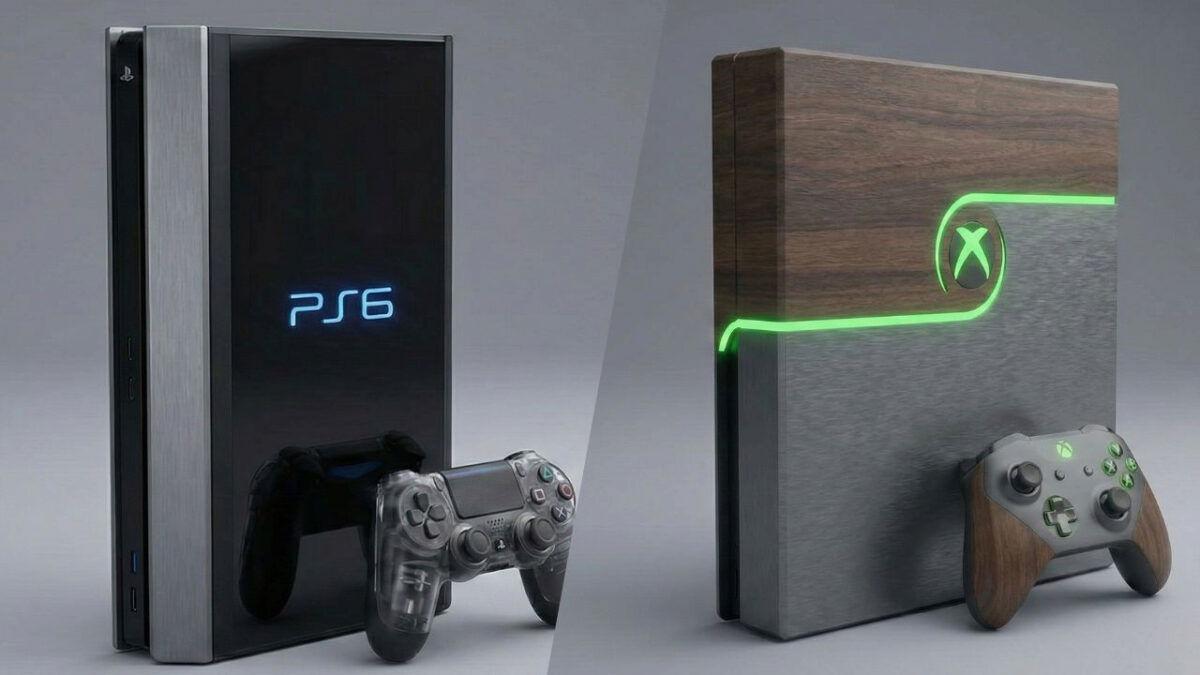
- Sony is reportedly considering delaying the PlayStation 6 until 2028 or 2029 due to the shortage and high price of RAM.
- The craze for artificial intelligence has driven up demand for DRAM and other chips, drastically increasing the price of consoles.
- PS5's lifecycle in Europe would be extended as Sony ensures memory supply at least until the end of 2026
- The new Xbox would still have 2027 as a tentative target date, which would leave Sony entering the next generation later.
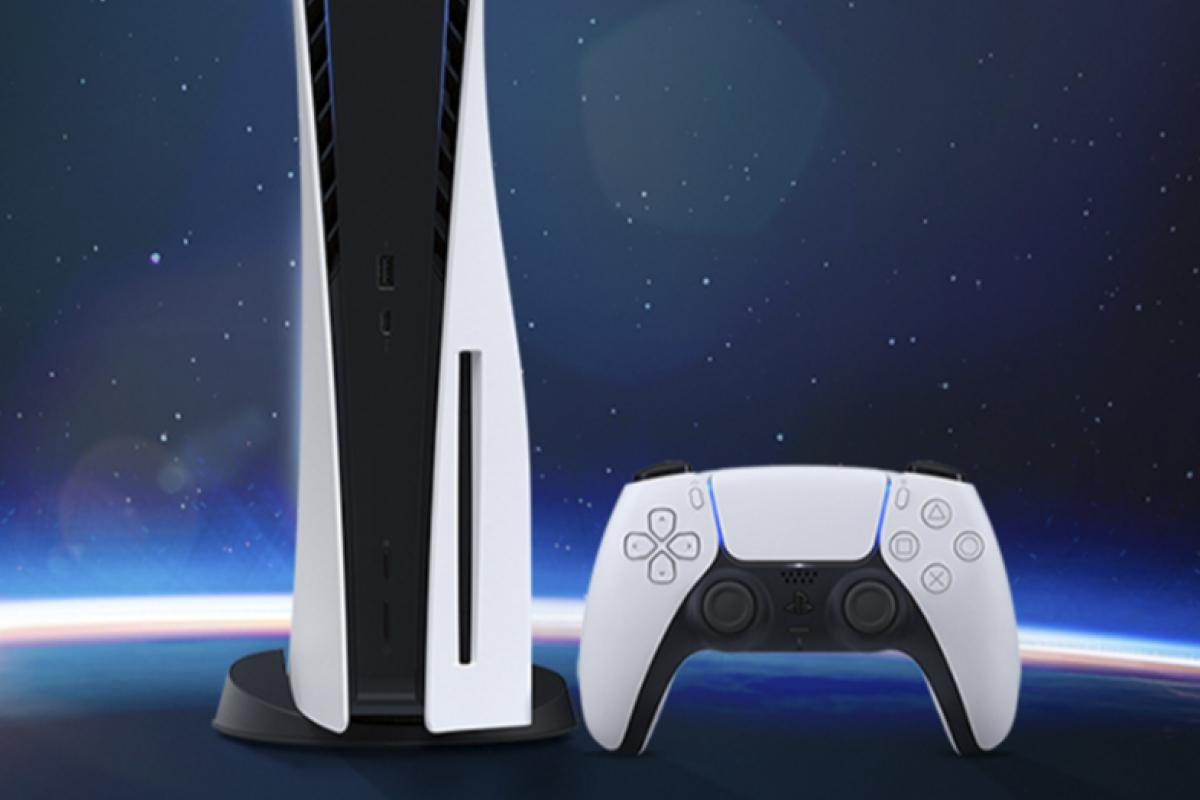
The next generation of consoles could take considerably longer than expected to arrive in European living rooms. Various reports, citing Sources familiar with Sony Group's strategyThey suggest that the Japanese company is... rethinking the launch schedule of their next console, the upcoming PlayStation 6.
Instead of repeating the usual seven- or eight-year cycle between generations, the company is reportedly considering moving the new machine to a release window situated between 2028 and 2029This breaks completely with the historical cadence of the PlayStation brand. The main reason is not a marketing whim, but the direct impact of the global crisis of RAM and other key components.
Why is Sony considering moving PlayStation 6 to 2028 or 2029?
According to information released by Bloomberg and other specialized media outlets, Sony's top management is seriously considering postpone the PlayStation 6 debut beyond 2027This date was considered a logical target if the PS4 and PS5 pattern was followed. Now, the most common hypothesis is that the console will be delayed until 2028, and a jump to 2029 is even possible if the component situation does not improve.
The cited sources, described as people familiar with the company's internal plansThey point out that the main concern is the uncontrolled cost of DRAM memory. The current price inflate would make it impossible to launch a next-generation console at a reasonable price for the general public, especially in price-sensitive markets like Spain and the rest of Europe.
In parallel, the fact that the PS5's lifecycle has been disrupted by supply difficulties in the early years also weighs heavily. The console was launched in 2020, but It didn't start being sold normally until 2023 due to pandemic-related bottlenecks. In practice, this has compressed its actual commercial lifespan and reinforces the argument for stretching out the current generation before making the leap.
Furthermore, Sony has reportedly already informed some partners that its short- and medium-term priority is to monetize the PlayStation 5 installed base with major releases and services, delaying the need for entirely new hardware until the industry context is more favorable.
The artificial intelligence craze triggers memory and complicates everything
The main trigger for this movement is the current fever for artificial intelligence and data centersTech giants like Alphabet, Amazon, Microsoft, and OpenAI are buying massive quantities of memory chips to power next-generation GPUs and AI accelerators, emptying the market and straining production at manufacturers like Samsung, SK Hynix, and Western Digital.
This brutal imbalance between supply and demand means that Some types of DRAM have increased in price by up to 75% in just a few weeks.For a console that aims to offer a significant technical leap, with tens of gigabytes of unified memory for CPU and GPU, the impact on the cost sheet is devastating.
Rumors about the preliminary specifications of PlayStation 6 mention configurations with 30 GB of RAMWith the current market, mass-producing hardware with that amount of DRAM would not only entail an exorbitant cost, but also a logistical problem: Sony would find it very difficult to stockpile enough memory without further exacerbating the general shortage.
This additional cost for DRAM is compounded by the increased price of other key components, such as SSD storage, copper, aluminum, or tinAll of this directly impacts more complex motherboards, power supplies, and cooling systems, pushing the final price of the product to levels that the average European consumer could hardly afford.
Semiconductor industry executives, such as Lenovo CEO Yang Yuanqing and Lam Research head Tim Archer, agree that The pressure on the memory supply chain is not a temporary setbackTheir prediction is that this tense scenario will continue, at least, until the end of the decade, precisely the timeframe in which Sony is now positioning the launch of the PS6.
Impact in Spain and Europe: prices, timetable and strategies
Should this delay materialize, the effect on markets such as Spain and Europe would be clear: PlayStation 5 and its potential revisions would continue to be the center of the PlayStation ecosystem for much of the decadeSony has already acknowledged that it has closed deals to secure the minimum memory needed to maintain PS5 production, at least until the end of 2026.
Meanwhile, the company would capitalize on major releases, such as Grand Theft Auto VIto maximize the current user base and strengthen the software and services business. Such massive success on PS5 would help justify internally delaying the PS6, as it would continue to generate recurring revenue without the need for new hardware.
The problem, from the perspective of the European consumer, is that the increased cost of components has already become noticeable in recent years. The PS5 has undergone several revisions. Prices have varied across different regions, and other console brands have also made adjustments. It seems that even if Sony manages to keep the MSRP of its current models down, launching a new generation with ambitious specifications at a "popular" price will be much more difficult.
In this context, financial analysts point out that the real bottleneck for Sony could arrive from 2027 onwards, when The impact of memory prices would begin to seriously put pressure on margins if they insist on launching more powerful hardware without passing those costs on to the end user.
At the same time, the delay would force a readjustment of development schedules, marketing campaigns, and exclusivity agreements with European studios, which traditionally synchronize their major projects with the arrival of new consoles to take advantage of the initial push.
A strange generation: PS5 gets delayed and games get more expensive
The current generation was already atypical due to the pandemic and stock shortages, and the memory crisis only reinforces that feeling. The releases were back to normal in European stores, which led many players to stay on PS4 longer than expected or switch to PC, where the price increase has also been noticeable, but with more configuration options.
This accumulated delay has had a direct consequence: Millions fewer PS5 and Xbox Series consoles have been sold Regarding what was expected at this point in the generation, with a smaller and more dispersed installed base, rushing to PS6 in 2027 would be risky, both for Sony and for the studios developing increasingly expensive AAA productions.
Meanwhile, the production costs of major games have continued to rise, and publishers are less willing to take risks in an uncertain hardware transition. Extending the PS5's lifecycle until the end of the decade would allow to better maximize the return on investment in graphics engines, tools, and equipmentwhile maintaining a platform powerful enough to run the titles that will be coming.
For the European player, that will likely translate into More releases designed to get the most out of PS5 and PS5 ProImproved versions of already known hits and, perhaps, major franchises saving their "reboot" for when the new console is ready.
In short, the “PS5 generation” could be extended by one or two years beyond what was initially planned, both due to the memory situation and the need to give developers time to adapt to an environment where each major release involves multi-million dollar investments.
The competition: a new Xbox for 2027 and Nintendo's moves
While Sony adjusts its plans, Microsoft is still reportedly aiming for 2027 for its next Xbox.According to the most recent leaks, some reports suggest that year is the "most optimistic scenario," as the console itself would use a high-end APU, the cost of which could skyrocket in the current climate.
If Xbox manages to launch in 2027 and PlayStation 6 is delayed until 2028 or 2029, Microsoft's brand would gain a slight advantage in terms of timing, something not seen for years in the console wars. The question is whether this early release would actually translate into a dominant position, considering that High prices may hinder initial adoption and that Xbox's strategy is much more focused on the ecosystem and services.
For its part, Nintendo is also feeling the impact of rising memory costsThe arrival of Switch 2 and the need to secure millions of storage cards drove up the price of microSD Express cards, affecting both the console itself and physical games, which in some cases are clearly more expensive than their digital equivalents.
Although Nintendo president Shuntaro Furukawa has avoided confirming a direct increase in the console's MSRP, The company does admit that it is reviewing its strategies depending on market developments and does not rule out adjustments in 2026 if the RAM context does not improve.
This scenario leaves the video game industry in a curious situation: All major brands are affected by the same war for memoryBut each company is responding with different tactics. Nintendo is considering price changes, Microsoft is trying to stick to its schedule, and Sony is reportedly opting to delay its generational leap, prioritizing business stability over speed.
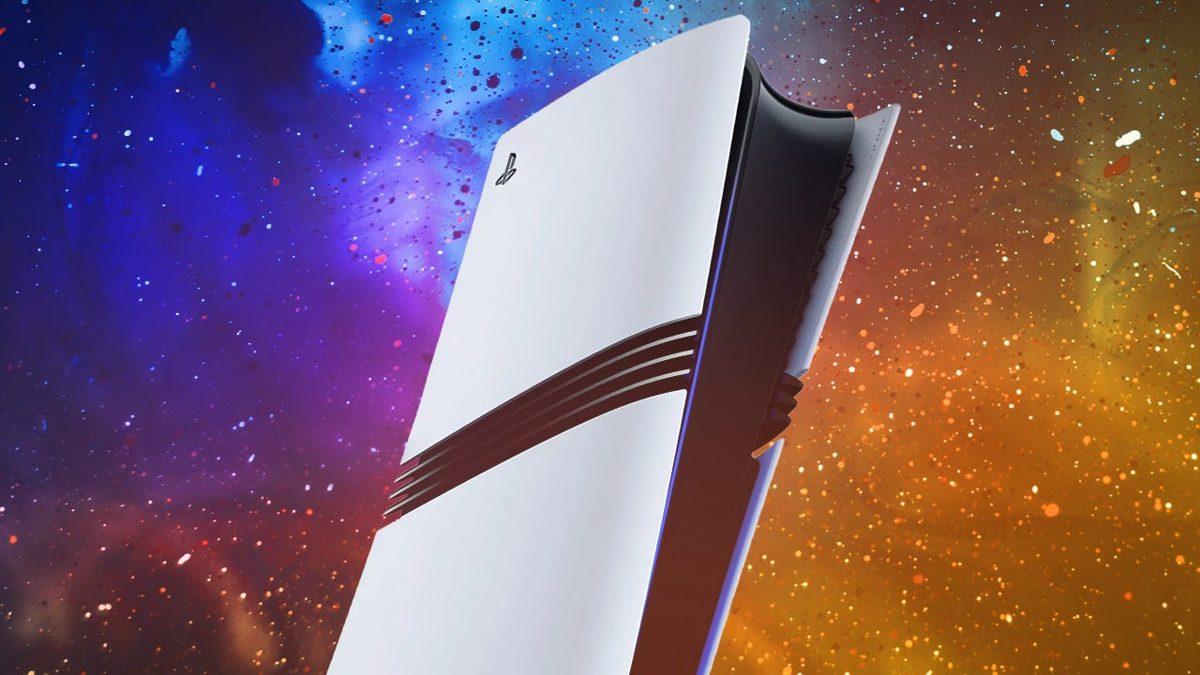
Everything points to the Sony's next big console will arrive later and in a much more complex context. than previous generations, with DRAM memory at the heart of the equation. If predictions hold true and the PlayStation 6 doesn't appear until 2028 or 2029, Europe will experience a longer transitional generation, with the PS5 still leading the charge, a new Xbox trying to get ahead, and Nintendo playing its own game. In this scenario, gamers will have to get used to more flexible cycles and a market where technology no longer advances solely at the pace of consoles, but rather to the rhythm set by artificial intelligence and its enormous chip requirements.