- The Continental is played in seven rounds with increasing combinations of difficulty.
- The goal is to minimize your points by avoiding high cards and wild cards in your hand.
- Strategy and smart wildcard management make the difference.

Looking to learn how to play Continental and master this fun card game that's a hit at gatherings with friends and family? In this comprehensive guide, you'll find the rules, card values, gameplay, possible combinations, and strategic tips to help you get the most out of it. If you've ever heard of gin rummy or have experience with other classic card games, Continental will feel familiar and, above all, highly addictive.
Below you'll find everything you need to become a true expert in the Continental card game , covering everything from its origins and setup to its most popular variations. Say goodbye to doubts: here you have all the information, clear and detailed, so you don't waste time searching on multiple websites.
Origin and popularity of the Continental game
The card game Continental originated in Spain during the first half of the 20th century , quickly spreading among players of different generations. Although its main basis is Spanish, it comes from an adaptation of gin rummy, which in turn derives from the Romanian version of rummy. This blend of influences makes Continental a strategic, dynamic game suitable for both experts and beginners.
Its success stems from the fact that it can be enjoyed by two to eight players using two or three standard decks of cards (French or Spanish poker) , making it the perfect choice for groups of friends or family gatherings. Most agree that a game lasts between 40 and 60 minutes, and the atmosphere is generally competitive yet fun.
Decks, number of players and preparation
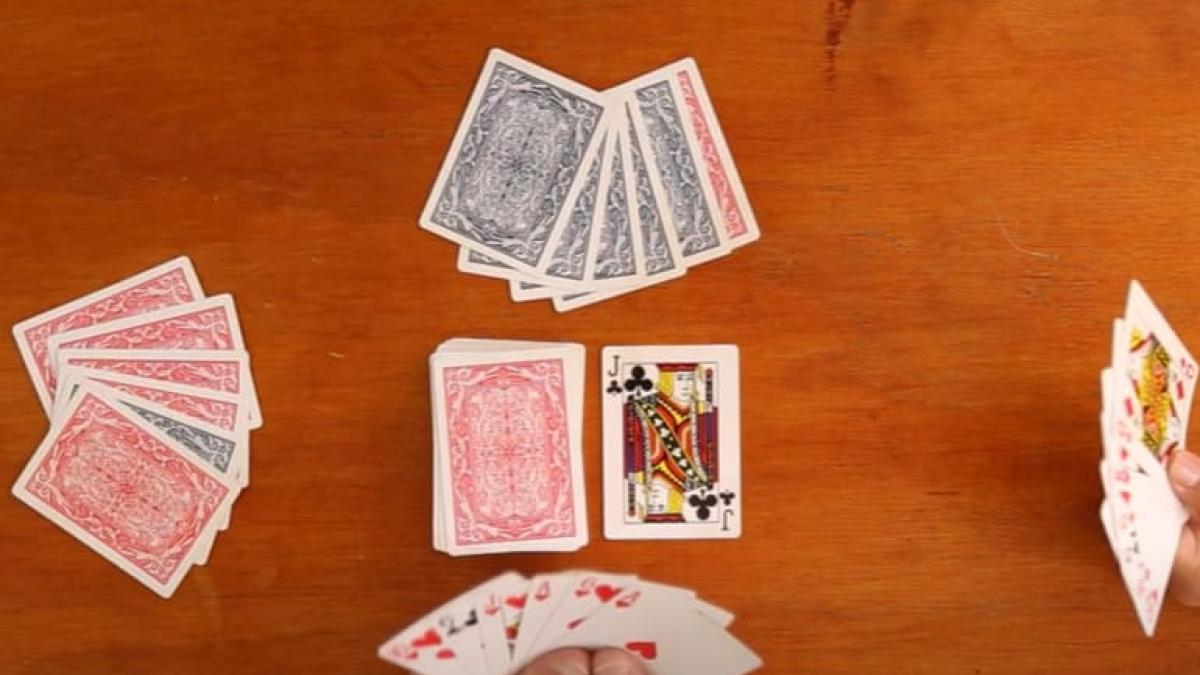
Continental is played using two standard 52-card decks of English or Spanish playing cards . If there are more than four players, it's advisable to add a third deck. Jokers are essential: typically, each deck includes three , for a total of up to six, or even more if the group is large.
The game is enjoyed by 3 to 8 people , although it can be played with as few as two. The game is always played individually, without teams. Before starting, the first dealer is chosen at random; then, this person shuffles the cards, invites the players to cut, and deals them counter-clockwise.
Card order and value
Understanding the value of each card is crucial, as accumulating too many points is what must be avoided at all costs in the Continental. The scoring system is as follows:
- Wild card or Joker: 50 points.
- Ace: 20 points.
- Figures (K, Q, J, 10, 9 and 8): 10 points.
- Low cards (7, 6, 5, 4, 3 and 2): 5 points.
In some cases, especially when using a Spanish deck, the values may vary, but essentially, the highest cards and wild cards are heavily penalized at the end of each round . If you end up with them in your hand when another player goes out, the penalty will be significant.
Game structure and rounds
Continental is characterized by being played in seven rounds or games , each with a specific combination and a progressively increasing number of cards to be dealt. The difficulty increases and requires greater skill.
| Ronda | number of cards | Required combination |
|---|---|---|
| ª 1 | 6 | Two trios |
| ª 2 | 7 | A stair |
| ª 3 | 8 | Two stairs |
| ª 4 | 9 | Three trios |
| ª 5 | 10 | Two three of a kind and a straight |
| ª 6 | 11 | A trio and two ladders |
| ª 7 | 12 | Three stairs |
The goal of each round is to achieve the required combination using the cards you receive plus any you draw on your turn. Once you've collected them, you can "play down," meaning you reveal your cards on the table and try to get rid of them before the other players.
Valid combinations: three of a kind and straights
Valid combinations in the Continental are based on two main types:
- Trio: Three or more cards of the same rank, even if they belong to different suits. For example: three tens of hearts, clubs, and spades.
- Stairs: Four or more consecutive cards of the same suit (e.g., 5-6-7-8 of diamonds). There is no maximum limit; long straights are possible if you have the necessary cards.
Wild cards can be used to substitute for any card in both sets and runs , but there is a limitation: two wild cards cannot be placed consecutively in the same run . This is important, as it can unduly reduce the difficulty of the game.
Start of the game and initial deal
Before each hand begins, the roles are assigned as follows: one player shuffles, another deals, and the next player receives a card (usually to the dealer's right). The cards are dealt one by one in a counter-clockwise direction.
After dealing the cards needed for the round, the rest of the deck is placed in the center of the table. Two piles are formed: the draw pile and the discard pile . The first discard is the top card of the draw pile, which is placed face up and begins the game.
Turn dynamics: drawing and discarding
Each player, on their turn, can choose between two options:
- Steal the face-up card from the pot (pile of discards), if you are interested.
- Draw the top card from the deck, which is hidden.
After drawing a card, the player must end their turn by discarding a card from their hand, which goes into the discard pile . This way, the cards keep circulating, and you always have the chance to draw cards that others have discarded.
There's an interesting rule: if a player chooses to draw a card from the deck instead of the discard pile, the other players can choose to "counter-draw" and keep that card from the discard pile, but in return, they must take an extra card . The player closest in turn order has priority to use this option.
Get down and close your hand
When a player has achieved the required combination for that round, they may fold their hand by revealing it on the table and placing it prominently. If they have only one card left after folding their hand, they may attempt to get rid of it by placing it on an already exposed combination (their own or another player's) or by discarding it to close the round.
When a player runs out of cards, the hand ends and all other players add up the points of the cards they have left in their hand. Holding onto a wild card at the end of the hand incurs a 50-point penalty , so it's best to discard it as soon as possible.
The wildcard: uses and peculiarities
The wild card is one of the most sought-after cards, as it allows you to easily complete sets of three or straights. However, its presence in your hand at the end of your turn is very detrimental due to its high value. Furthermore, straights with two consecutive wild cards are not allowed , which adds an extra layer of strategy to managing these cards during the game.
Once laid out on the table in a combination, the wild card can be replaced by the corresponding real card and reused in another combination, except in trios, where it is only allowed if this prevents another player from taking advantage of it first.
Scoring and scoring in the Continental
The ultimate goal of the game is to accumulate the fewest possible points after seven rounds . In each hand, the points of the unmelded cards in each player's hand are recorded. It is recommended to keep track of the scores on a separate sheet and add them up round after round. If a player ends the hand immediately after playing a card and with no cards in hand, they receive a -10 point bonus . If they end the hand later, but after playing a card, they score 0 points for that round.
At the end of the seventh game, the player with the fewest points will be the overall winner of the match . In case of a tie, the player who won the last round wins.
Special rules and punishment card
The Continental introduces the "penalty card" , which is applied when someone cannot or does not want to make a valid play during their turn: they must take an additional card, increasing the difficulty of getting rid of all the cards and potentially raising their negative score.
This extra card usually makes the game more difficult and forces players to calculate risks and make strategic decisions: the fewer cards left in your hand, the better.
Recommended strategies to win the Continental
- Drop high cards and wild cards in time, avoiding keeping them until the end of the hand.
- Carefully observe your opponents' discards and combinations to anticipate their moves and avoid giving them useful cards.
- Take advantage of counter theft only when it is truly beneficial, as it can penalize you with additional cards.
- Keep the possibility of getting off by surprise, especially in the later rounds, to catch others off guard and leave them with high-value cards in their hands.
Common variants and customizations
There are several variations on how to play Continental. Among the most popular are:
- Supercontinental: Add new rounds with additional combinations and cards.
- Extra rounds (T and E): They are played before the first standard game, with specific card distributions.
- Allow closing with cards in hand if they add up to five points or less, which increases the excitement at the end of the game.
- Limit the use of wild cards or the number of counter steals allowed per player.
It is essential, before starting any game, for all players to agree on which rules and variations will apply , so that there are no surprises during the game.
Vocabulary and common terms in the Continental
- Get down: Display the required combination and place it on the table.
- Well: Pile of cards discarded during the game.
- Punishment letter: Mandatory additional card that penalizes for not being able to/complete the play.
- Stealing from behind: Opportunity to draw a card from the stockpile out of turn, accepting a penalty.
Mastering the Continental language helps you better understand the development of the game and enjoy group play more.
The Continental card game has captivated thousands of players with its perfect blend of chance and strategy, its dynamic gameplay, and the opportunity to experiment with different combinations and variations . Whether you're a beginner or looking to improve your skills, mastering the rules and practicing your strategies will allow you to enjoy each game even more. Always keep a cool head, observe your opponents, and above all, have fun!