- It is obtained by melting clay or mining in Badlands biomes, and can be dyed in 16 different colors.
- Glazed terracotta is created by firing already dyed terracotta, generating unique patterns according to the color.
- It allows you to create complex mosaics by rotating the blocks as you place them in the world.
- It is a fire-resistant and non-flammable material, ideal for decorative constructions and Map Art.
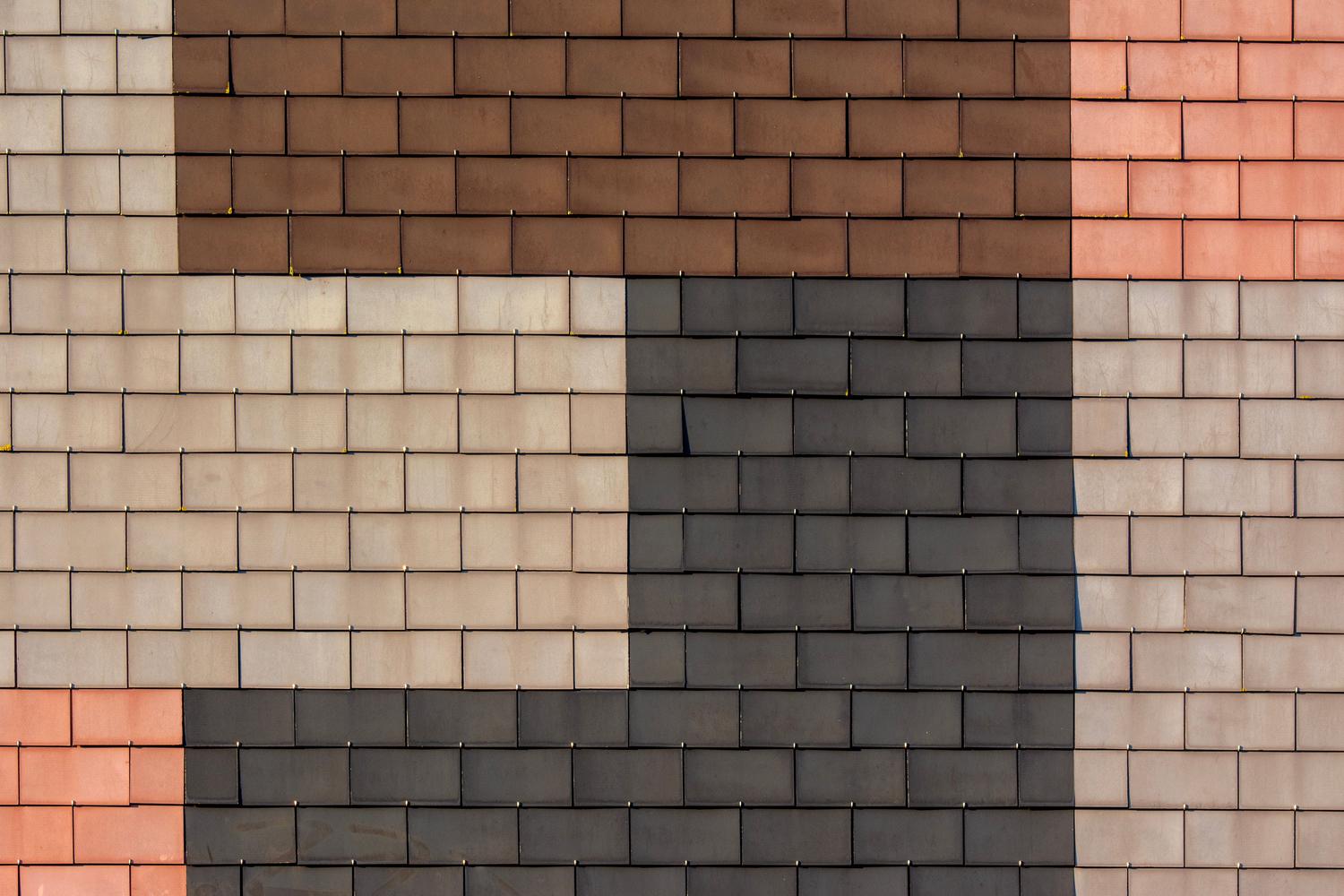
If you're looking to add a sophisticated touch to your Minecraft builds, terracotta is undoubtedly one of the most versatile materials you can find. This block, which is essentially baked clay , has become a favorite among many virtual architects thanks to its range of muted, earthy colors that perfectly complement rustic or Mediterranean styles.
The most interesting thing about this material is that it's not limited to smooth blocks; it also allows you to create the famous glazed terracotta tiles . These add an impressive level of detail to any floor or wall, allowing you to play with rotations to create geometric patterns that look like they've been taken from an old palace or a traditional Spanish house.
How to get terracotta in your world
There are two main ways to fill your inventory with this block. The most direct is to venture into the Badlands biomes , where the terrain itself is composed of layers of terracotta in various colors. This is the ideal place if you need industrial quantities of the material quickly, as you can mine blocks that already come dyed red, white, yellow, or gray.
On the other hand, if you prefer to craft it yourself, you simply need to smelt clay blocks in a regular furnace. To do this, you must first collect clay from the bottom of rivers, lakes, or in dense caves using a shovel. When smelted, you'll obtain the natural orange-brown version, which is the base for any subsequent dyeing. As a little tip, remember that smelting clay is an easy way to gain some experience (XP) early in your game.
The dyeing process and available colors
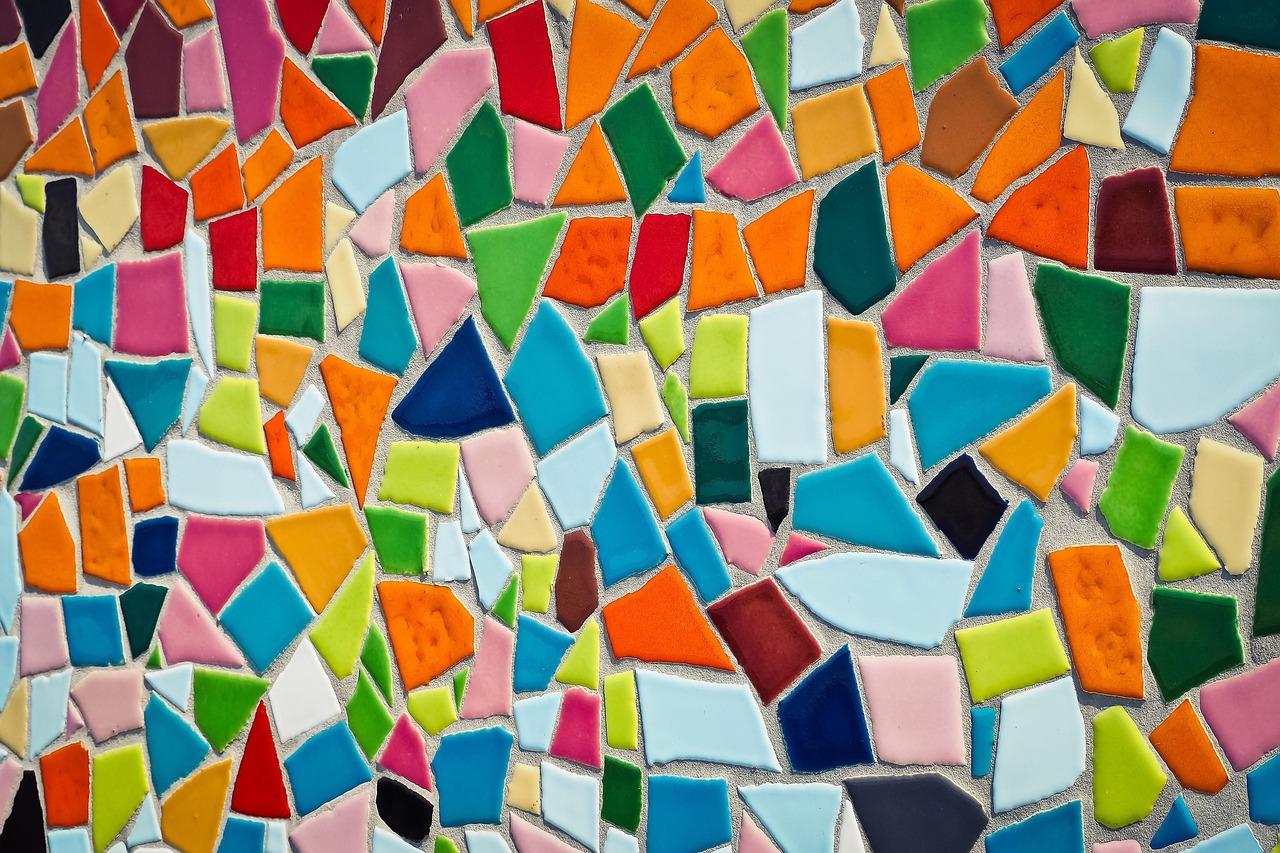
Once you have basic terracotta, you can transform it into any of the 16 dye colors available in the game. Unlike other materials, dyeing terracotta is extremely efficient: you only need to place a dye in the center of the crafting table surrounded by 8 terracotta blocks to get 8 dyed blocks at once.
It's important to note that terracotta colors are more subdued than those of concrete or wool. This characteristic is precisely what makes them so useful for creating realistic facades , as they are not jarring and blend beautifully with acacia wood or sandstone, achieving that desert or Mediterranean village aesthetic that looks so good.
The magic of glazed terracotta or tiles
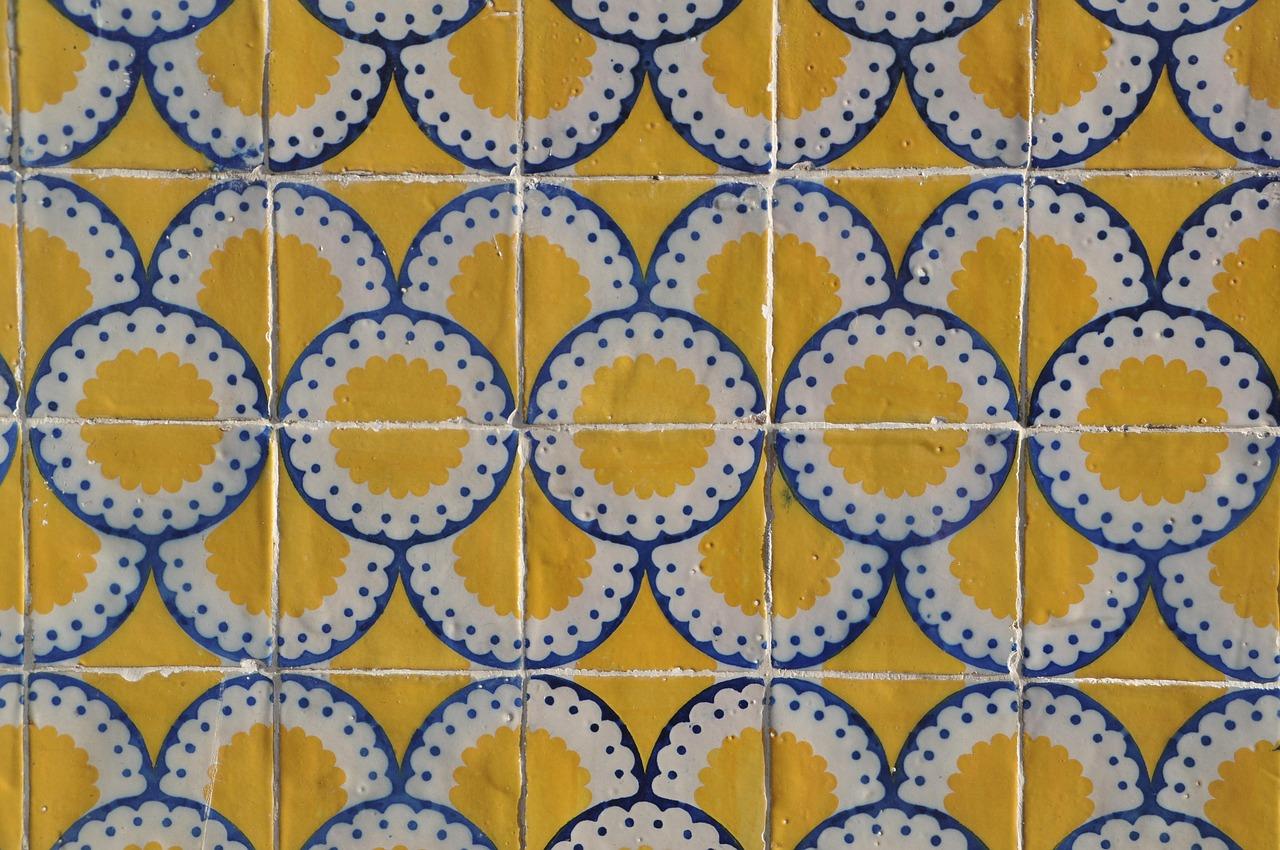
If you want to take your decorations to the next level, you need to try glazed terracotta. Crafting it is simple: take the terracotta you've already dyed and melt it again in the kiln . Each color will create a distinct, ornate pattern that is unique and cannot be changed once created.
The true secret of these tiles lies in their placement. The block faces the direction you're facing when you lay it, allowing you to rotate the patterns at angles of 90, 180, or 270 degrees. If you combine four blocks in a 2x2 square, rotating them correctly, you'll achieve a kaleidoscopic effect ideal for luxury floors or artistic mosaics. For example, the blue and white tones are reminiscent of Portuguese ceramics, while the greens evoke classic palaces.
Technical properties and construction advice
In terms of durability, terracotta is quite strong, surpassing wool or planks, although it remains vulnerable to TNT explosions or Creepers compared to stone. A key point for those building near volcanic areas is that this block is non-flammable , so neither fire nor lava can destroy it.
To collect it, don't overthink it: any type of pickaxe (even a wooden one) will work. However, if you try to break it by hand, the block will shatter and you won't get any pieces. In the creative realm, it's a star material for map art and pixel art because its earthy color palette allows for the representation of natural textures and skin tones in a much more organic way than other blocks.
- To optimize the casting of large quantities, it is best to use a bucket of lavabecause it is the most efficient fuel.
- If you're looking for a clean finish and vibrant colors, concrete is better, but for antique or natural stylesTerracotta is unbeatable.
Both plain and glazed terracotta offer a vast array of creative possibilities, allowing for everything from traditional red roofs to intricate mosaic floors. Its fire resistance and ease of acquisition make it an essential resource for any player looking to enhance the aesthetics of their bases in any edition of the game.

FAQ
How are tiles made in Minecraft?
To obtain tiles, it is necessary to melt blocks of already dyed terracotta in a kiln, where the color of the block will determine the resulting ornamental pattern.
What is the difference between terracotta and clay?
Clay is a soft material found in rivers that breaks into balls, while terracotta is the hardened and baked version, being much more resistant and dyeable.
Can the design of a glazed terracotta block be changed?
The pattern of each color is fixed and cannot be modified, although it is possible to change the orientation of the drawing by rotating the character when placing the block.
What tool is needed to chip terracotta?
Any type of pickaxe can be used regardless of its material, as it does not require a specific tool level to drop the block.
Does terracotta burn with fire or lava?
This material is completely fireproof, meaning it does not catch fire or burn up upon direct contact with lava.
How to make tiles form a symmetrical mosaic?
A group of 2x2 blocks should be placed, varying the rotation of each one by 90, 180 or 270 degrees to generate a kaleidoscopic effect.
Where is it quickest to find colored terracotta?
The Badlands biome is the most efficient location, as the terrain naturally generates strips of terracotta already tinted in various shades.