- Apple will launch a new home hub with a 7-inch screen between October 2026 and early 2027.
- The device will include facial recognition, automatic interface adjustment based on distance, and a tvOS-based operating system.
- In addition to the hub, Apple will update the HomePod mini and Apple TV with processors optimized for Siri AI, and is working on its own security camera.
- The product will compete directly with Amazon Echo Show and Google Nest Hub, integrating FaceTime, HomeKit control, and intercom functions.
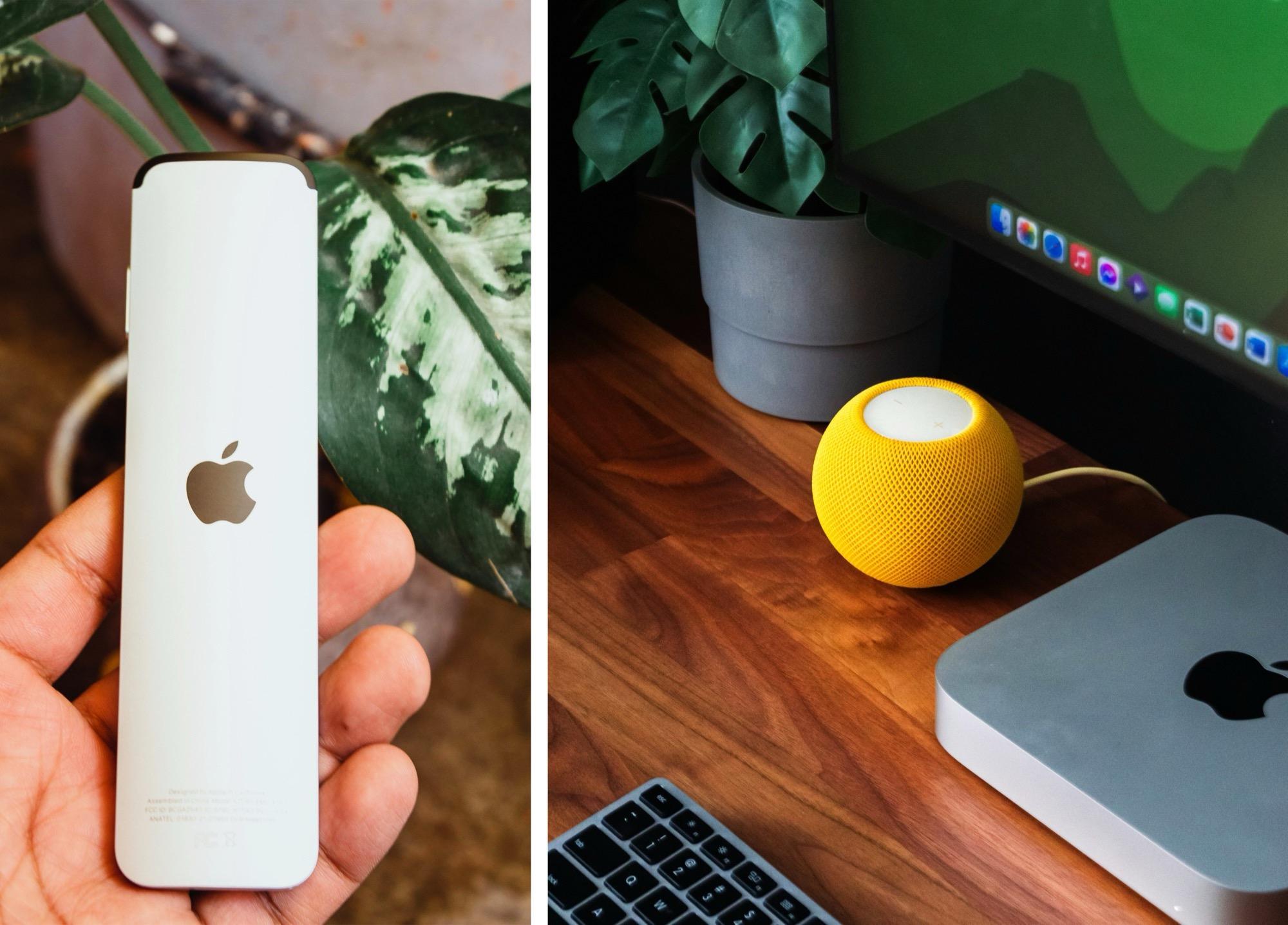
After years of rumors and delays, Apple appears to be ready to make its definitive leap into the connected home market. According to multiple leaks, the company will launch a new smart hub with a screen between October of this year and the first months of 2027. The device, which combines a speaker, a screen, and the new version of Siri with artificial intelligence, aims to become the control center for Apple's home ecosystem.
The information, which has been published by sources such as Mark Gurman of Bloomberg and picked up by media outlets such as MacRumors, GSMArena and Macworld, suggests that The hub will come in two formats: a desktop version and a wall-mountable version.Apple's idea is for users to install several units around the house, so that it functions as an intercom and as an access point to all the smart home functions.

A release that comes after years of waiting
The idea for a HomePod with a screen has been circulating since 2021, but it has been postponed mainly due to the development of Siri AI. Now, with the arrival of iOS 27 and the new generation of the assistant, Apple has found the right moment. According to journalist Mark Gurman, The hub will be unveiled between October 2026 and early 2027.This coincides with the window in which the Apple TV and HomePod mini updates are also expected. The delay has generated some skepticism, but this time the context is different: Siri AI is already ready and the hardware is specifically designed to take advantage of it.
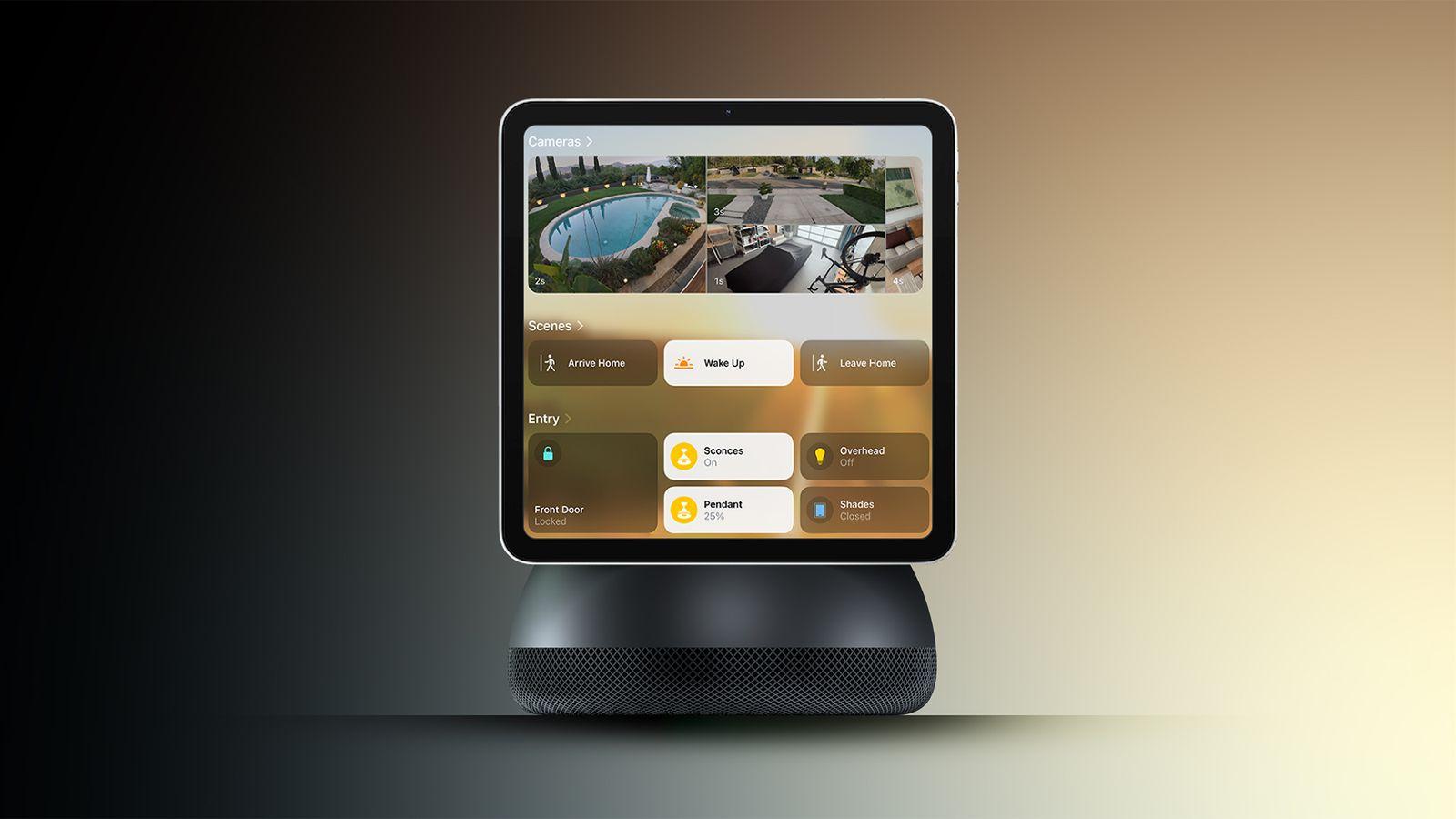
The device will run a completely new operating system built on the tvOS foundation, but with an interface that blends elements of watchOS and iOS. This results in a home screen organized in a grid of icons, interactive widgets, and customizable watch faces. The technical challenge is ambitious: to integrate three distinct interface paradigms into a single systemThis requires redesigning touch interaction patterns for an intermediate screen format that doesn't quite fit into any existing category.
7-inch screen and facial recognition
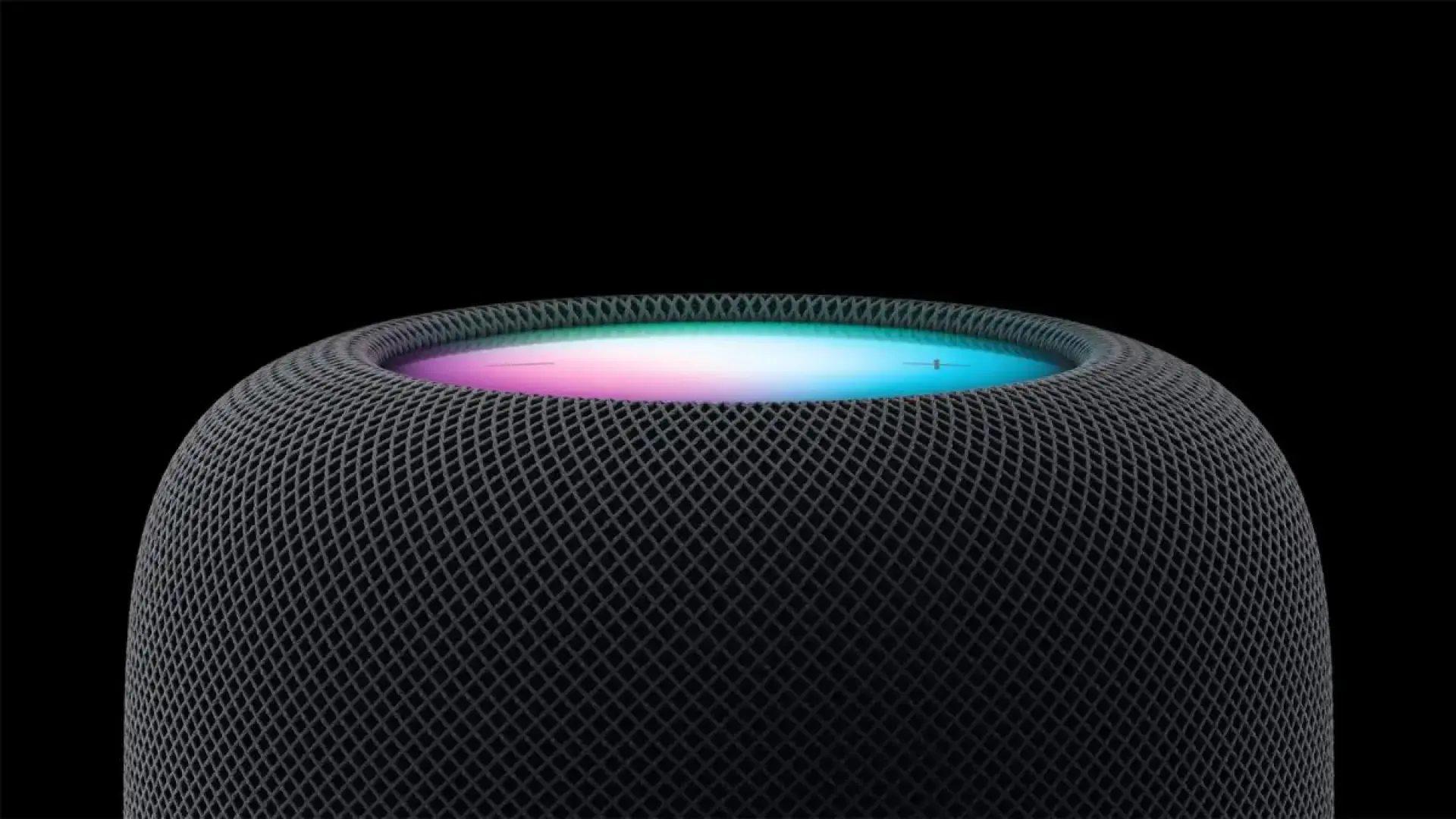
The hub will feature a square screen of approximately 7 inches. One of its most striking features is integrated facial recognition, which identifies the person looking at the screen and displays personalized information: favorite widgets, calendar entries, contacts, and notes. Furthermore, The interface automatically adapts according to the user's distance.When someone approaches or moves away, the size of the visual elements adjusts to facilitate reading. This spatial sensing function has been mentioned in several sections of the same report.
The device's design is reminiscent of a HomePod with a built-in screen, but its focus goes beyond a simple smart speaker. It will be available in two versions: a desktop version with a base similar to a HomePod cut in half, and another designed to be mounted directly on the wall using a magnetic system. Apple expects users to purchase multiple units for different rooms., such as the kitchen, living room or bedroom, thus reinforcing the multiple sales strategy.
Functions for everyday life at home
Beyond its visual appeal, the hub will come loaded with features geared towards everyday home use. Among the capabilities confirmed by several sources are FaceTime video calls, home security monitoring, centralized management of HomeKit accessories, a photo gallery, and a shared calendar. shared music playback and an intercom system that allows you to send voice messages between different Apple devices distributed throughout the house. The intercom function makes particular sense considering that Apple expects users to buy more than one unit., since it is only really useful when there are at least two or three points of contact in different rooms.
The Siri AI assistant will be at the heart of the experience. It will not only respond to voice commands, but will also be able to adapt the interaction to each user's personal context. Artificial intelligence will enable more natural and contextual interactionsThis is achieved by leveraging improved language models compared to previous versions of the assistant. This positions the hub as the physical interface for a much more capable conversational assistant.
Parallel updates: HomePod mini and Apple TV
In addition to the new hub, Apple plans to refresh the HomePod mini and Apple TV in the fall of 2026. According to Bloomberg, both devices will retain the same exterior design, but They will receive faster processors that will allow the full use of Siri AI.These releases were initially planned for 2024, but delays with the AI-powered version of Siri have pushed them back by about two years. Pricing has not yet been confirmed, although recent adjustments in several markets suggest the upgraded versions could be slightly more expensive.
These updates are part of a broader strategy by Apple to strengthen its home ecosystem. The company is also working on a smart security camera which would compete directly with Amazon's Ring line, according to the same Gurman report. Although details are scarce, its simultaneous development suggests that the hub will not arrive as a standalone product, but as the centerpiece of an ecosystem that Apple has been building for some time.
The future: security camera and robotic arm
Looking ahead, Apple has more ambitious plans. A premium version of the hub is rumored, equipped with a robotic arm capable of orienting the screen according to the user's position—a feature that would allow it to track the person during video calls or as they move around the room. This variant is in a much earlier stage of developmentAccording to sources like Macworld, it's not expected to hit the market anytime soon. There's also talk of a larger, 9-inch screen for that advanced version.
The launch of all these products will coincide with the appointment of John Ternus as Apple's new CEO starting September 1, 2026, a change at the top that could mark the beginning of a new stage in the company's strategy. The smart hub represents Apple's first truly new product since the Vision Pro., and the first one designed from the outset to function as a permanent domestic assistant.
After years of intermittent rumors, Apple is finally close to launching its own home hub, a product arriving at just the right time thanks to the maturation of Siri AI. The combination of facial recognition, spatial sensing, and a hybrid operating system built on tvOS raises interesting questions about how Apple understands human-device interaction outside of smartphones, and whether the public is truly ready to incorporate an additional screen—or several—into their home life. It remains to be seen whether the October release date will hold this time, given the project's long history of delays, and above all, whether the final product justifies the price increase and the commitment involved in adopting an ecosystem of multiple hubs distributed throughout the home.