- Meta and its shareholders reach a multi-million dollar settlement that avoids Zuckerberg having to appear in court.
- The settlement halts an $8 billion lawsuit related to Facebook user privacy.
- The case has revived criticism of Delaware's corporate justice system and sparked debate about companies leaving the state.
- Shareholders were demanding personal liability and reimbursement for legal penalties and fines stemming from privacy misconduct.
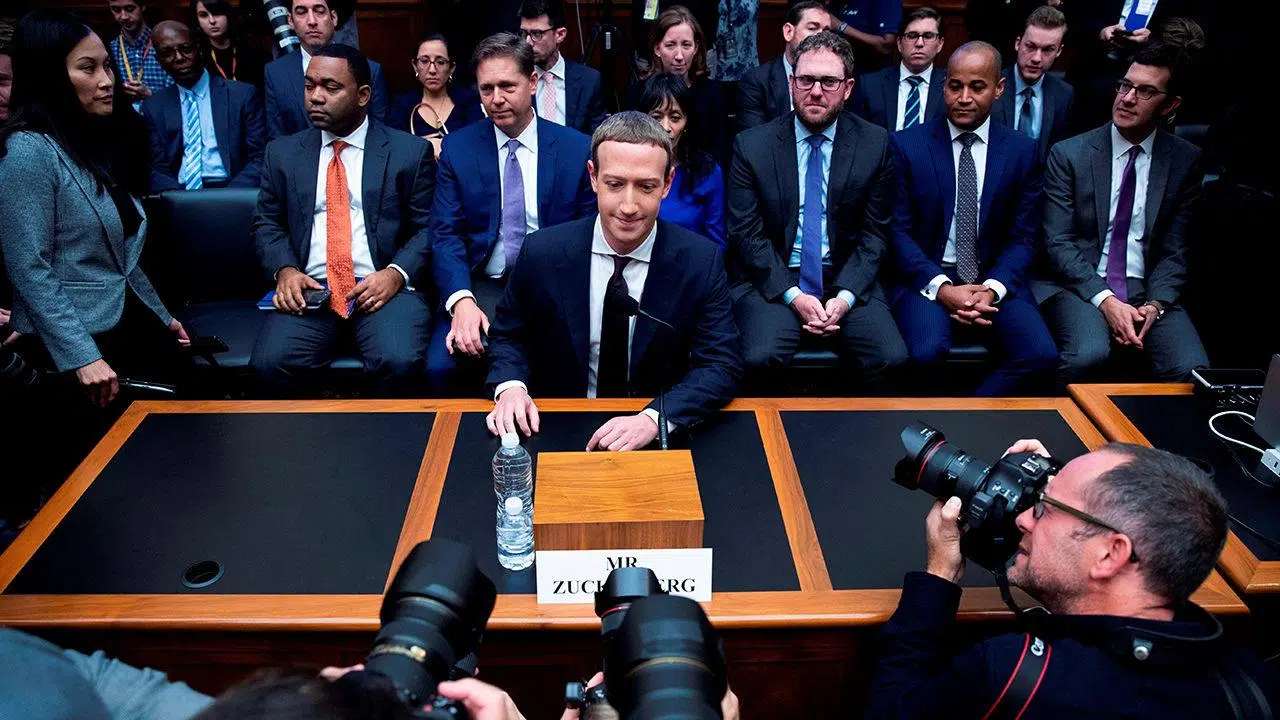
Mark Zuckerberg and other top Meta executives have managed to avoid prosecution. that was looming over alleged failures in Facebook's user data protection. A last-minute agreement between the parties involved ended the lawsuit before Meta's CEO had to answer in court.
The judicial process, which involved a financial claim for 8 one billion dollars, targeted Zuckerberg, the company's current management team, and several former directors, accused of their alleged responsibility in managing the privacy of millions of users. The out-of-court settlement has avoided a media trial that could have further weakened Meta's image., parent company of Facebook, Instagram and WhatsApp.
The news gained even greater relevance due to the influence this case had on the Delaware state judicial system and the trend of large technology companies moving their headquarters out of that jurisdiction. The agreement calmed the waters for the moment, but raised questions about Delaware's future as a corporate epicenter in the United States.
The agreement between Meta, its shareholders, and management came just as the second day of the trial in the Delaware Court of Chancery was about to begin. The plaintiffs, representing the shareholders, They claimed that Meta's leadership had unjustifiably failed to protect the privacy of its users. and requested that the defendants use their personal assets to cover the significant legal penalties they received, including the $5 billion fine imposed by the Federal Trade Commission in 2019.
Media interest was considerable., because the list of defendants included influential figures such as Sheryl Sandberg, Marc Andreessen, Peter Thiel, and Reed Hastings. The outcome of the case, with a settlement in the making whose details are still being negotiated, halted a situation that threatened to be a turning point for American business.
The Delaware debate and corporate flight

What happened in the Delaware room rekindled the controversy over the role of the state as a place of incorporation of large companiesIn recent years, figures like Elon Musk have encouraged people to leave Delaware, arguing that its courts are unfavorable to founders and executives. In fact, well-known companies like Dropbox, Roblox, and Trump Media & Technology have already moved their registrations to other states, a phenomenon dubbed "Dexit."
Analysts believe the resolution of such high-profile cases directly impacts Delaware's reputation and its ability to retain leading companies. A court ruling in favor of the executives could have been interpreted as a concession to corporate pressure., while a contrary ruling would have fueled further corporate defections.
Judge Kathaleen McCormick, who presided over the case, gained notoriety for overturning Elon Musk's multi-million dollar Tesla pay package, a precedent used by some investors to denounce alleged court bias against tech entrepreneurs.
Meta and the lawyers for the parties involved preferred not to comment. after the settlement was announced. The repercussions of the lawsuit and Delaware's handling of it have generated divided opinions in the legal and financial sectors.

The reaction of the business and political world
Over the past year, the pressure on the state of Delaware has been noticeable. Investment funds such as Andreessen Horowitz have decided to change their legal domicile to Nevada., and have even publicly urged other tech startups to join the initiative. In a statement, they expressed their disagreement with the Delaware judicial system's alleged bias against founders of innovative companies.
To try to retain giants like Meta, State authorities met with representatives of the company And soon after, they amended the law to make it harder for shareholders to sue boards, especially in cases like that of Zuckerberg, the largest shareholder and key figure at Facebook.
Delaware's importance as a hub for incorporation lies in the fact that more than a quarter of its revenue comes from fees associated with business registration, which explains the state's efforts to adapt its regulations to the corporate flight.
Some companies, such as Affirm Holdings, have opted to leave Delaware, citing uncertainty over judicial interpretation of the new law.
Many observers consider that the ability of Delaware's court system to navigate complex processes toward settlements has been key to maintaining its position as a benchmark in the country. The resolution of the conflict between Meta and its shareholders would demonstrate this, according to corporate governance experts.
The events of these days have once again brought to the fore the debate on data protection, the role of the courts against corporate interests, and the future of large states as legal entities. Meta is, for now, escaping a thorny issue that could have reopened past wounds and generated a domino effect in the US technology sector.