- HyperOS 3.3 is an intermediate update based on Android 17 that does not change the design, but prepares the system for HyperOS 4.
- The first models to receive it are the Xiaomi 17, Xiaomi 17 Ultra and Xiaomi 15T Pro, with a beta already available in China.
- The update includes improvements in stability, security, and compatibility, although it is intended for developers.
- HyperOS 4 is expected to arrive in early 2027 with new features such as Liquid Glass and advanced AI functions.
Xiaomi is preparing to make the leap to Android 17 with an update that isn't trying to grab attention , but is crucial for the future of its devices. It's called HyperOS 3.3, an intermediate version that will arrive before the major update to HyperOS 4. While it won't bring revolutionary visual changes, it does incorporate the necessary foundations to ensure the brand's most powerful phones are ready for the next generation of Google's operating system.
The company has begun rolling out this update in beta to some of its flagship models, with the goal of testing compatibility and fine-tuning performance before a wider release. According to information gathered from various sources, HyperOS 3.3 is already available to participants in the developer program in China, and it is expected to reach more users in other regions, including Europe, in the coming days.

What does HyperOS 3.3 based on Android 17 offer?
HyperOS 3.3 isn't an update that will radically change the user interface. In fact, it maintains the same design and features as HyperOS 3.1 , but with one fundamental change under the hood: the integration of Android 17 APIs. This allows system applications and services to run on the new version of Android, improving stability and security without altering the visual experience.
Among the specific improvements detected in the beta are optimized game stability, bug fixes in the interface , and the inclusion of the June 2026 security patch. Bluetooth connectivity with iPhones has also been improved, a feature many users will appreciate. However, it's important to note that this is a developer version, so it's not recommended for daily use and may cause crashes or data loss.
Compatible models and deployment in Europe
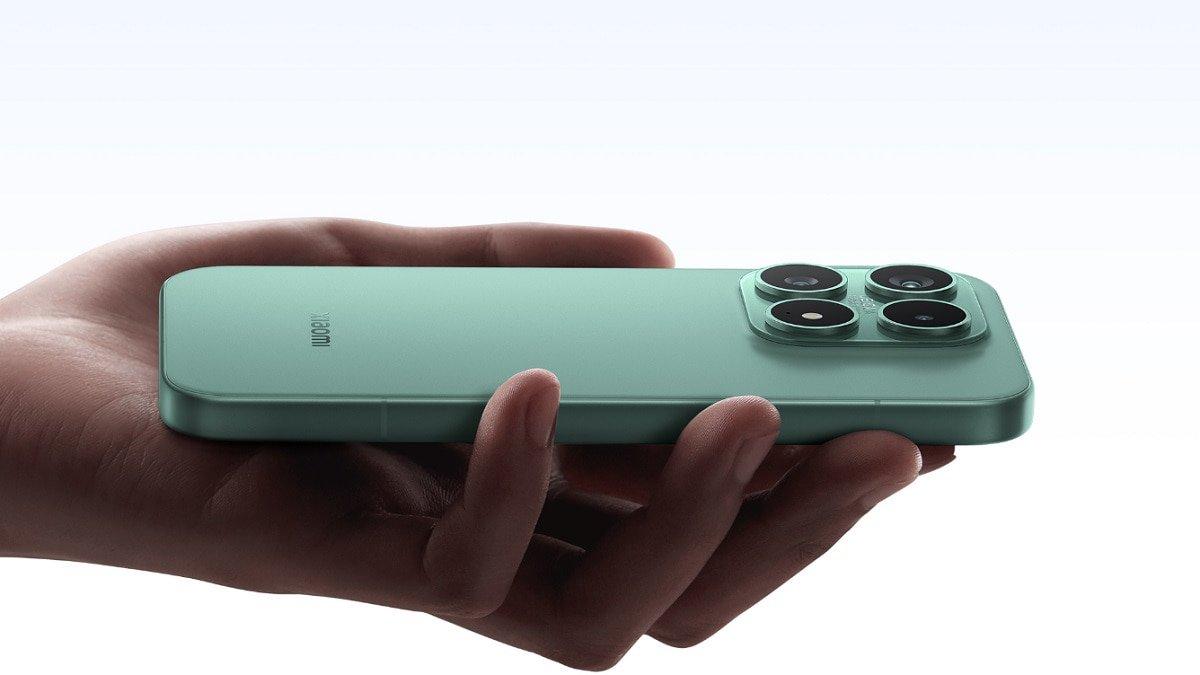
For now, the only devices that can install HyperOS 3.3 in beta are the Xiaomi 17, the Xiaomi 17 Ultra, and the Xiaomi 15T Pro . These three models are part of Xiaomi's official Android 17 Developer Preview program and are the first to receive the update. The beta is currently available in China, but it is expected to roll out to global versions, including those in Europe, in the coming weeks.
Looking ahead, Xiaomi plans to update over 50 models to Android 17, including the Xiaomi Mi 17 Pro series, the Redmi Note 15, the POCO F7, and many others . The company is following a phased rollout strategy, so users of other devices will have to wait a little longer. In any case, HyperOS 3.3 is just the first step; the major update will arrive with HyperOS 4.
The road to HyperOS 4
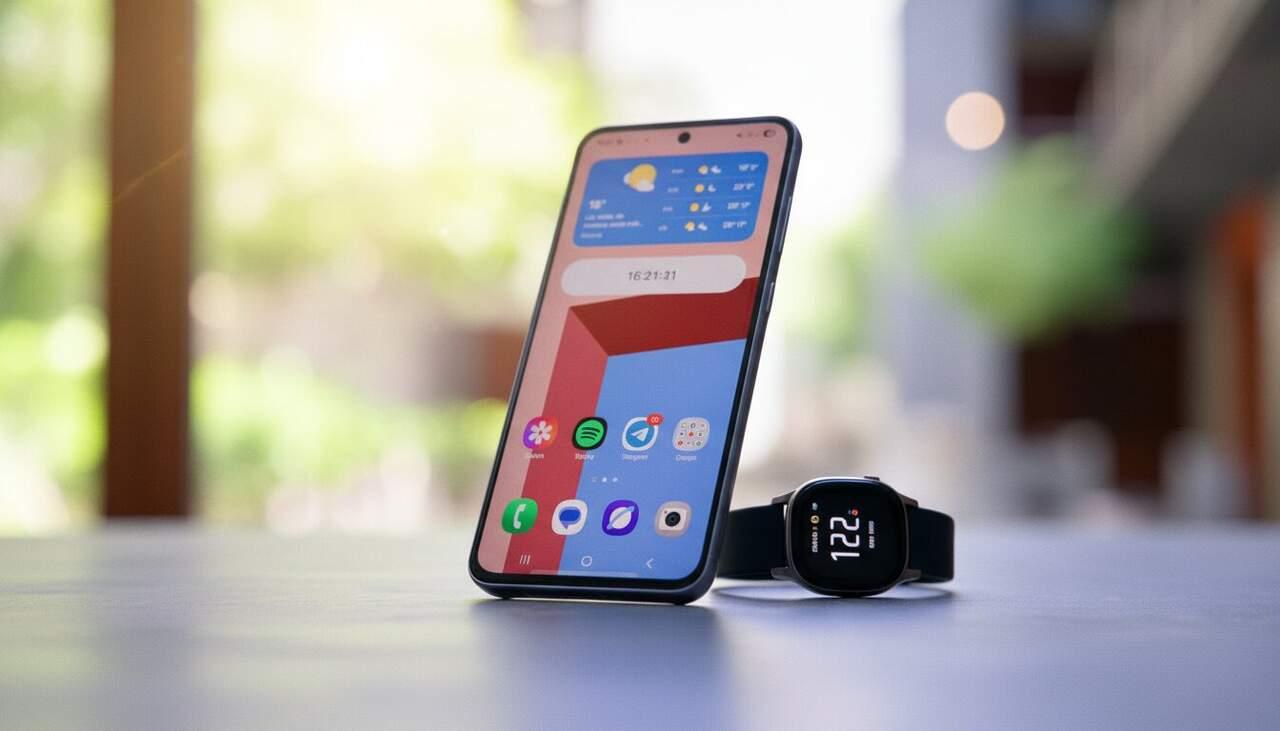
HyperOS 3.3 is merely a prelude to what's to come. HyperOS 4 will be the update that brings the most striking new features , such as the new Liquid Glass engine and advanced artificial intelligence capabilities. According to sources, this version won't arrive until early 2027, but in the meantime, HyperOS 3.3 ensures that phones are optimized and ready for that leap.
For users who want to try the beta, it's important to remember that this is software in the testing phase and may cause performance issues or compatibility problems with third-party applications. Xiaomi recommends backing up your data before installing it and keeping in mind that it's not intended for everyday use. Even so, this interim update is a key piece in the brand's strategy to offer a smooth transition to Android 17 and HyperOS 4.
However, HyperOS 3.3 demonstrates that Xiaomi isn't resting on its laurels and is working to ensure its most powerful phones have the latest operating systems. While it's not an immediately noticeable update, its importance is undeniable: it lays the groundwork for the future HyperOS 4 to arrive with fewer problems and greater stability. European users, especially those in Spain, will have to keep an eye out for upcoming announcements to find out when they can enjoy these improvements on their devices.