- The root of the phenomenon lies in the fact that ancient Japanese used the term ao to designate both blue and green.
- To reconcile linguistic tradition with international norms, Japan designed traffic lights with a blue-green hue.
- This characteristic extends to other everyday items such as apples or vegetables, which continue to be called blue.
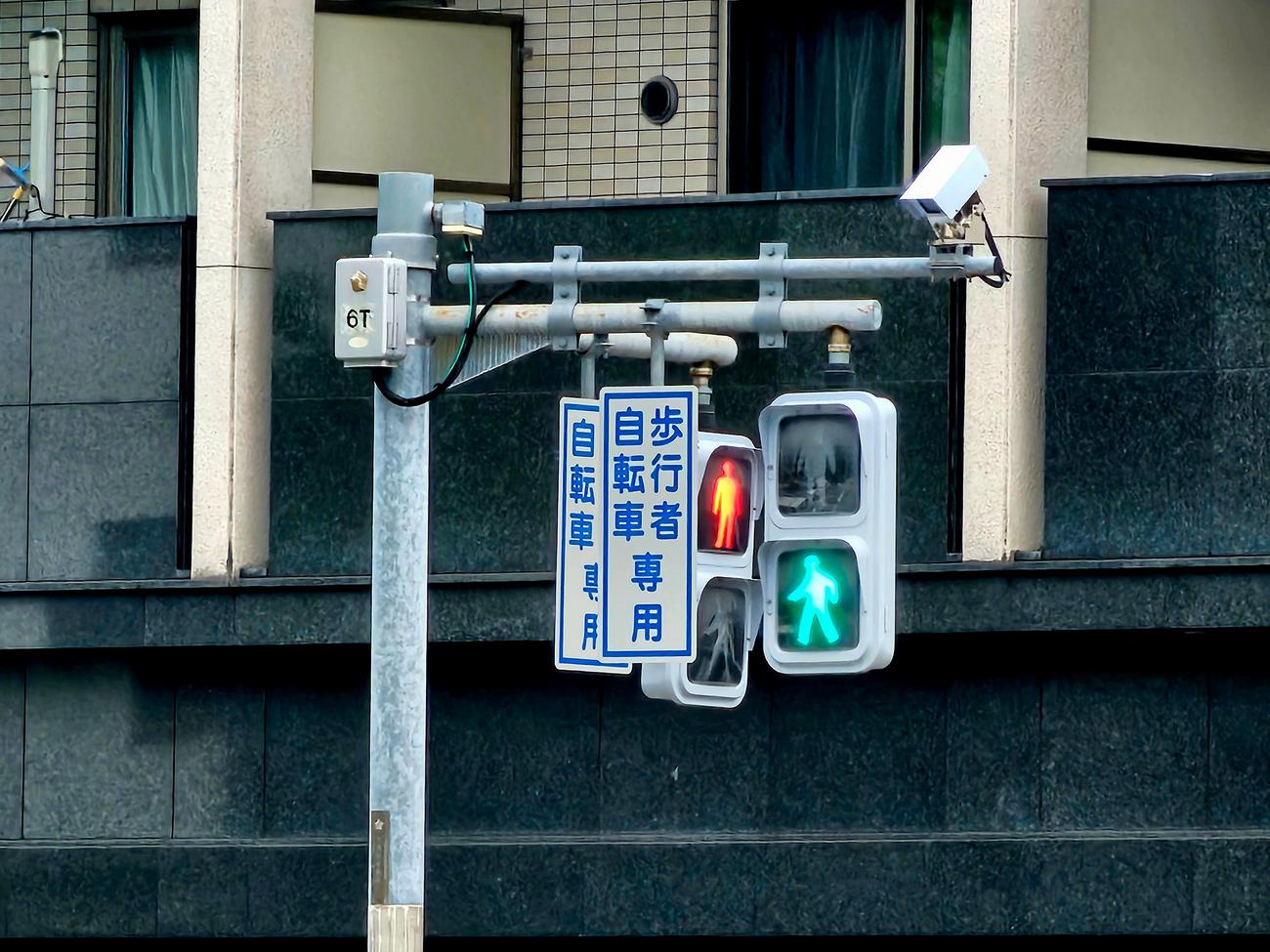
If you've ever been lucky enough to stroll through the streets of Tokyo or Kyoto, you've probably been puzzled when you looked up at an intersection. While in most of the world the color for going forward is green, in the Land of the Rising Sun you might encounter a light that appears distinctly blue , or at least a very strange shade that doesn't match what we're used to in the West.
This peculiarity is not an installation error or a modern whim, but rather the result of a fascinating blend of language and the evolution of Japanese visual perception over the centuries. It's not that they have a vision problem, but rather how their brain and language have organized the colors of the rainbow.
The linguistic heritage of the color Ao
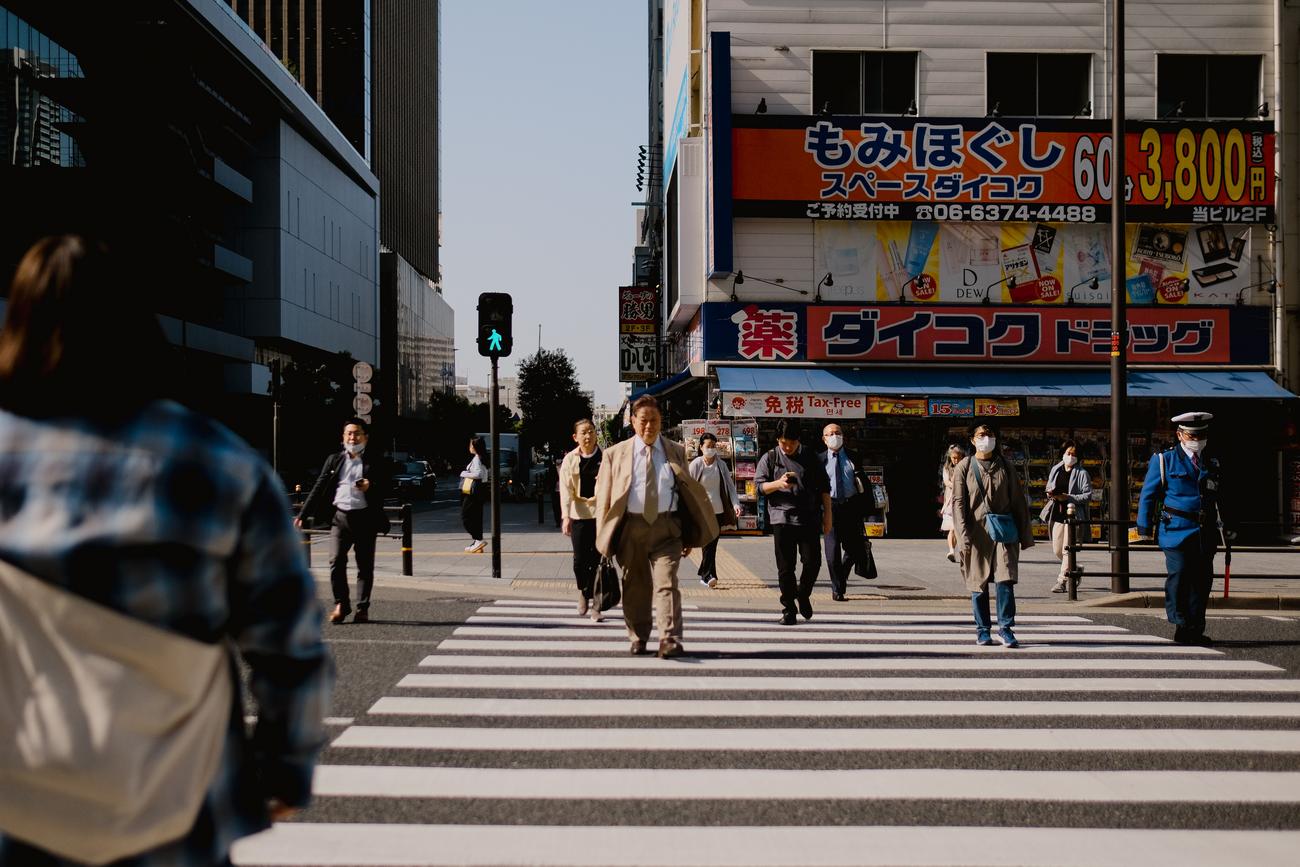
To understand this mess, we have to look back. In ancient Japanese, the vocabulary for describing colors was quite limited; basically, they only had words for white (shiro), black (kuro), red (aka), and blue (ao) . The curious thing is that, back then, the concept of "green" as we understand it didn't exist as a separate entity.
This means that anything we would call green was simply a shade of blue to them. Therefore, it wasn't unusual for them to consider tree leaves or apples to be blue. In fact, this custom has become so ingrained that even today, especially among older people, terms like aoringo are still used to refer to green apples, or aonori to the green seaweed added to okonomiyaki.
The clash with international norms
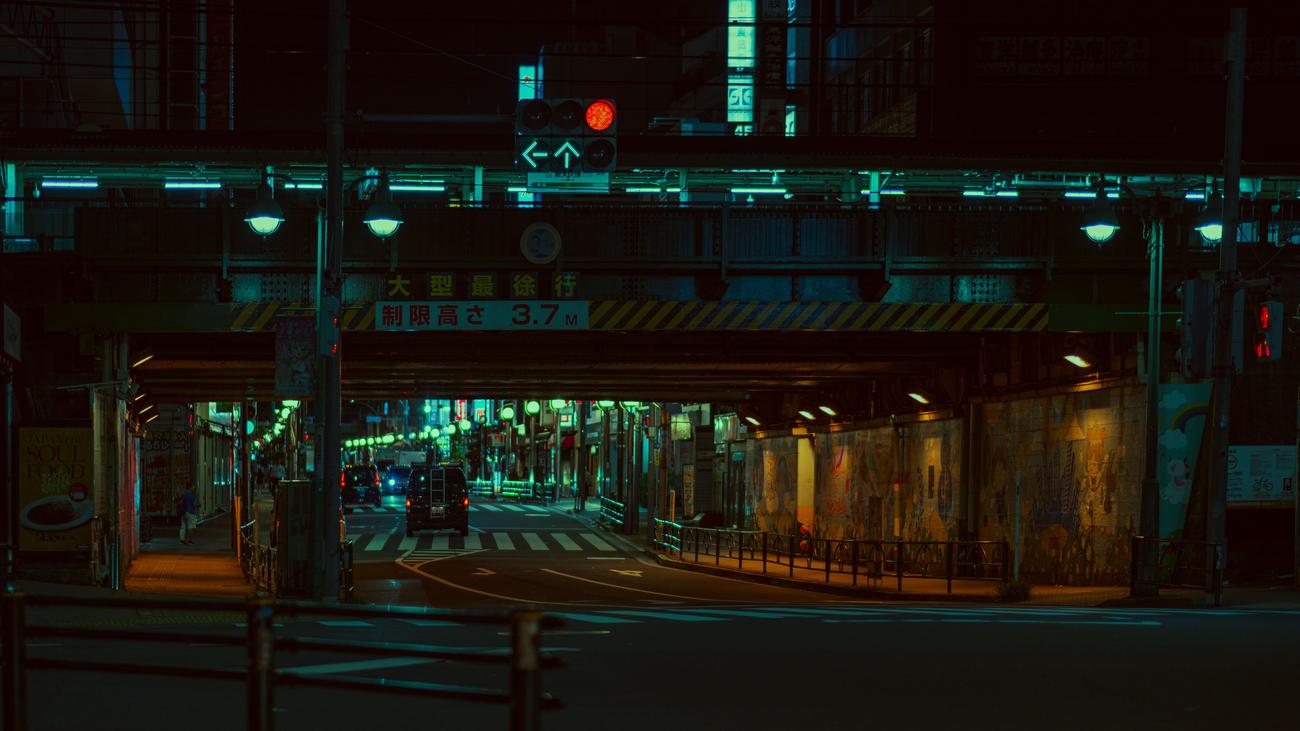
When Japan began installing traffic lights in the 30s, global standards were followed, and the go light was green. However, people continued to call it blue out of sheer cultural inertia. The matter became more complicated in 1960 with the Road Traffic Act, which officially established the term ao shingō (blue signal) to refer to the go light.
Later, in 1968, the Vienna Convention was established, stipulating that the standard color should be green. Japan did not ratify this treaty because they did not want to relinquish their linguistic identity. To resolve the issue and avoid going against the global trend, the government made a very ingenious decision in 1973: they decreed that traffic lights should be green, but with a very pronounced bluish tint . Thus, technically they complied with the international standard, but visually they still appeared blue so that people could continue to call them that without feeling misled.
Beyond traffic: symbolism and psychology
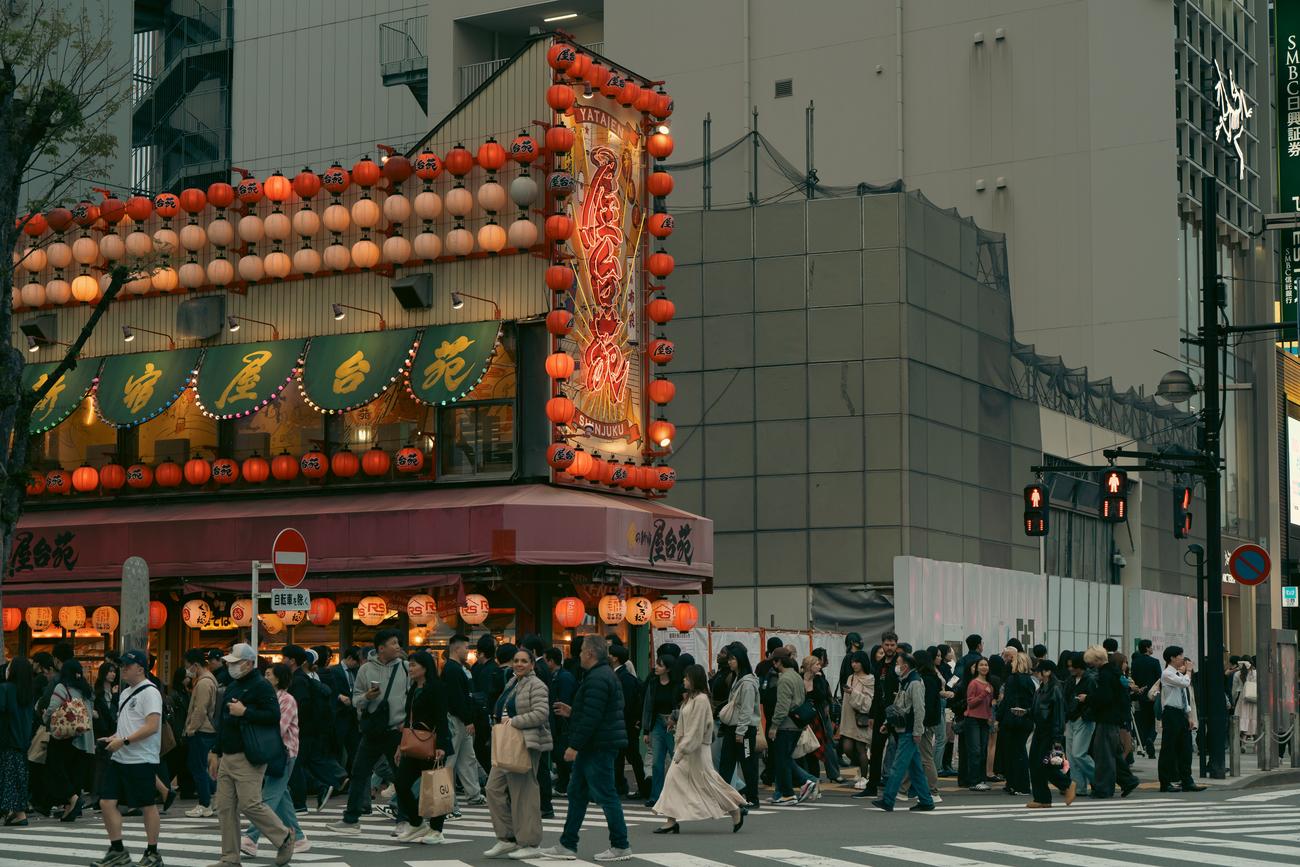
The use of blue isn't just about words; it also has an important psychological component. Blue is said to convey a sense of calm and security , helping drivers and pedestrians to cross with less stress and less anxiety, unlike the intensity of red.
Furthermore, the term ao has acquired symbolic connotations. In Japanese, saying that someone is aoi can mean that they are inexperienced or immature , much like when we say that someone is "green" at a job. This relationship between color, youth, and nature is a fundamental part of their worldview.
Technological evolution and current colors
Over time, the Japanese language has expanded. Words like midori for green appeared, originally meaning "new" or "young" (as in midorigo, which refers to a baby). Although children today can easily distinguish blue from green, the tradition of the traffic light remains.
The arrival of LED technology has made it easier to achieve more precise colors, but in cities like Kyoto, it's very common to see lights that are a perfect hybrid of both colors. There are even expressions related to the color of tea (chairo) or peach (momoiro) to describe other shades, demonstrating that the Japanese language has evolved toward a much richer color palette, even while maintaining these curious historical roots.
This peculiarity teaches us that the way we name the world shapes our reality, turning a simple traffic light into a living testament to the history and identity of a country that has managed to balance technological modernity with its deepest roots.
