- 283 hectares affected, mostly scrubland and rocky areas, following the fire in Tarifa.
- Evacuations and road closures: more than 1.500 people and 5.000 vehicles, affecting the N-340.
- Protected areas involved: ZEPA and SAC Los Alcornocales, IBA 245 and the Intercontinental Mediterranean Biosphere Reserve.
- NGOs are calling for damage assessment measures, sustainable tourism, and specific fire risk management in the park's plans.

The latest forest fire declared in Tarifa has put two environmental gems in the south of the peninsula on alert: the El Estrecho Natural Park and the Los Alcornocales Natural Park. The advance of the flames forced the activation of a major operation, with mass evacuations and occasional traffic cuts, in an episode fueled by the strong easterly wind.
According to the first estimates of the extinguishing device, The affected area is around 283 hectares, with 86% of the land covered by scrubland and scree, and the remainder in grassland and wildland-urban interface areas. After hours of coordinated work, the fire was stabilized late Wednesday afternoon, and the emergency level was lowered.
Key facts about the incident and progress of the operation

The fire started on the afternoon of Tuesday, August 6, in the vicinity of a campsite, and It expanded rapidly due to the effect of the LevanteThe complex terrain, combined with gusty winds, determined the attack strategy, which combined ground and air resources until the attack was stabilized.
The magnitude of the device was reflected in the measures taken: preventive evacuation of more than 1.500 people, evacuation of tourist facilities and scattered homes, and the orderly removal of some 5.000 vehicles from the Tarifa coast. In addition, a section of the N-340 highway had to be closed to facilitate the passage of emergency services.
With the situation under control on Wednesday at 18:00 p.m., the emergency phase was deactivated and the evacuated population was allowed to gradually return. Nevertheless, intensive monitoring of possible reactivations in hot spots within the perimeter was maintained.
Initial assessments on the ground indicate that The damage is concentrated in scrub and stony areas, a type of fuel that, in the presence of strong winds, promotes rapid spread and sudden changes in fire behavior.
Impact on enclaves of very high ecological value

The affected area is part of two reference natural parks: El Estrecho and Los Alcornocales, renowned for their biodiversity and unique habitats. These are key territories for soaring birds and birds of prey, migratory passages, and relict forests.
In addition, the land is integrated into the Natura 2000 Network as a Special Protection Area for Birds (ZEPA) and Special Conservation Area (ZEC) Los Alcornocales, and are included in the Reserva de la Biosfera Intercontinental del Mediterráneo recognized by UNESCO, a status that underlines its international relevance.
The affected areas also belong to the Important Bird Area (IBA) No. 245 —Sierras del Bujeo, Ojén, del Niño and Blanquilla—, a mosaic of mountain ranges and natural corridors that serve as refuge and food for numerous species.
In the recent context, conservation entities remember that The area already suffered another fire in 2024 in nearby areas, which highlights the need to strengthen prevention and risk management in natural environments with high traffic.
Evacuations, security and impact on tourism activity

The priority of the operation was protect people and property, relieve congestion on access roads, and ensure safe corridors for firefighting teams. The decision to evacuate campsites, hotels, and homes helped reduce risks during an event marked by peak season.
The temporary closure of the N-340, reopened hours later with a recommendation from circulate only for justified reasons, was key to speeding up the movement of emergency vehicles and minimizing interference with regular traffic.
With the return home of the evacuees, Caution has been requested in the recreational use of the environment, especially on trails and viewpoints near the most exposed areas, until the cooling and surveillance work is complete.
Local organizations and territorial agents insist that the regulation of tourism in sensitive areas It must be accompanied by access control measures, visitor information and emergency preparedness to avoid overcrowding and improve response.
What environmental organizations are asking for after the fire
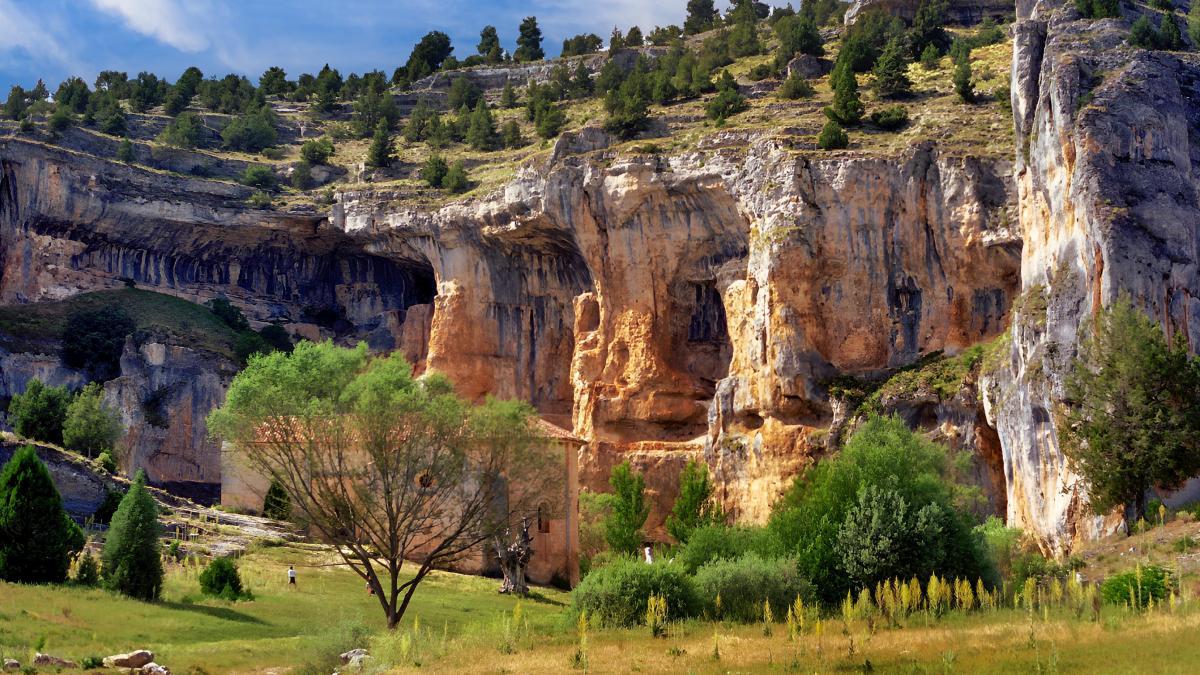
Groups such as Ecologists in Action and SEO/BirdLife have expressed their concern about the social, environmental and labor impacts associated with fires in areas with multiple protection measures. At the same time, they recognized the efforts of the Infoca Plan during the emergency.
Among their demands to the regional administration, they propose a package of measures combining rigorous damage assessment, ecological restoration and planning improvements to reduce the vulnerability of the territory;
- make a detailed assessment of ecological effects (loss of vegetation cover, alteration of habitats and fauna) as a basis for a restoration plan with medium and long-term monitoring.
- Boost sustainable tourism models that respect carrying capacity, regulate access to fragile areas and promote practices compatible with conservation.
- Integrate explicitly fire risk management in the PORN and PRUG of the natural parks involved, with specific and operational measures in the face of a climate change scenario.
The entities emphasize that prevent the recurrence of large fires It involves strengthening prevention, improving coordination between administrations, and adapting management to the seasonal pressure experienced by the Cadiz coast.
Progress must be made in quantifying damage, prioritizing habitat restoration, and reviewing public use and emergency protocols to reduce risks when the easterly wind blows and tourist influx increases.
The episode in Tarifa leaves a clear image: conservation and safety They go hand in hand in natural parks that hold unique values; protecting them requires planning, constant prevention, and efficient coordination even on adverse weather conditions.
