- Several studies associate sleeping more than nine hours with a 34% increased risk of mortality.
- Experts point out that the relationship is one of correlation and not necessarily causation.
- Excessive sleep could be a symptom of chronic illnesses or pre-existing risk factors.
- Maintaining quality, regularity and schedules in sleep is as important as duration.

The importance of a proper sleep hygiene It is undeniable for maintaining physical and mental health. Although we tend to associate sleeping well with a longer life and fewer illnesses, the warning about the effects of sleeping well is gaining more and more weight. risks linked to sleeping more than nine hours regularly. Experts and recent research warn about the potential negative effects of excessive sleep, sparking interest and concern in equal measure.
For years, the focus has been on the detrimental effects of sleep deprivation. But new scientific evidence suggests that Sleeping a lot is not synonymous with health either.Various international analyses have reviewed numerous databases, and the results agree that the risk of mortality increases whether you sleep too little or exceed nine hours per night.
The meta-analysis that changed the perspective on prolonged sleep

Un international meta-analysis published in magazines such as springer nature y Nature has been key to understanding how sleep duration influences health. This large study analyzed data from more than 2,1 million people through 79 long-term studies. The conclusions reveal that those who exceed nine hours of sleep have a 34% higher risk of death compared to those who sleep between seven and eight hours, considered the optimal range.
Interestingly, sleeping little (less than seven hours) is also related to an increased risk of mortality, although smaller: the increase is one 14% with respect to the group that follows the recommendations.
The analysis shows that the men who sleep more than nine hours have a risk of death up to 36% higher, while in women, this risk could reach up to 44%, suggesting that there is hormonal or behavioral factors in Game.
Cause or symptom? Excessive sleep could signal underlying illnesses

Despite the alarming figures, the same experts insist on the need to interpret the data with caution. These studies demonstrate only a correlation, not a direct causal relationship.That is, sleeping too many hours is not necessarily harmful in itself, but it could be a manifestation of chronic underlying diseasesMany patients with ailments, inflammation, cardiovascular, or metabolic disorders often need more rest or spend more time in bed due to the side effects of medications or the symptoms themselves.
Also, people with overweight, smoking or chronic diseases They may have less restful sleep and spend more time in bed in an attempt to regain energy.

The role of sleep quality and regularity

Sleep duration is not the only relevant factor when it comes to health. Very recent research that has monitored the habits of thousands of adults over several years demonstrate that the sleep regularity and the quality of rest matters as much or more than the number of hours.
Ideal sleep involves going to bed and waking up at consistent times, avoiding sudden changes in routine. Going to sleep at a different time each day, even sleeping the same number of hours, can increase the risk of multiple diseases, from liver problems to circulatory disorders. A stable sleep-wake rhythm and the absence of sleep fragmentation during the night are essential for truly restful sleep.
Other studies and associated factors

It should not be forgotten that many previous investigations, based on subjective questionnaires, possibly overestimated the actual duration of sleep. Objective data show that a significant percentage of people who claim to sleep more than nine hours actually They spend more time in bed, but sleep lessActual rest time is often less than perceived, which complicates the interpretation of some results.
Studies also point out that Inflammation could be one of the biological mechanisms that link altered sleep patterns with an increased risk of chronic diseases. Furthermore, experts point out that factors such as stress, excessive use of electronic devices, or work shifts can impair sleep quality and alter the true effects of oversleeping.

Recommendations for healthy sleep
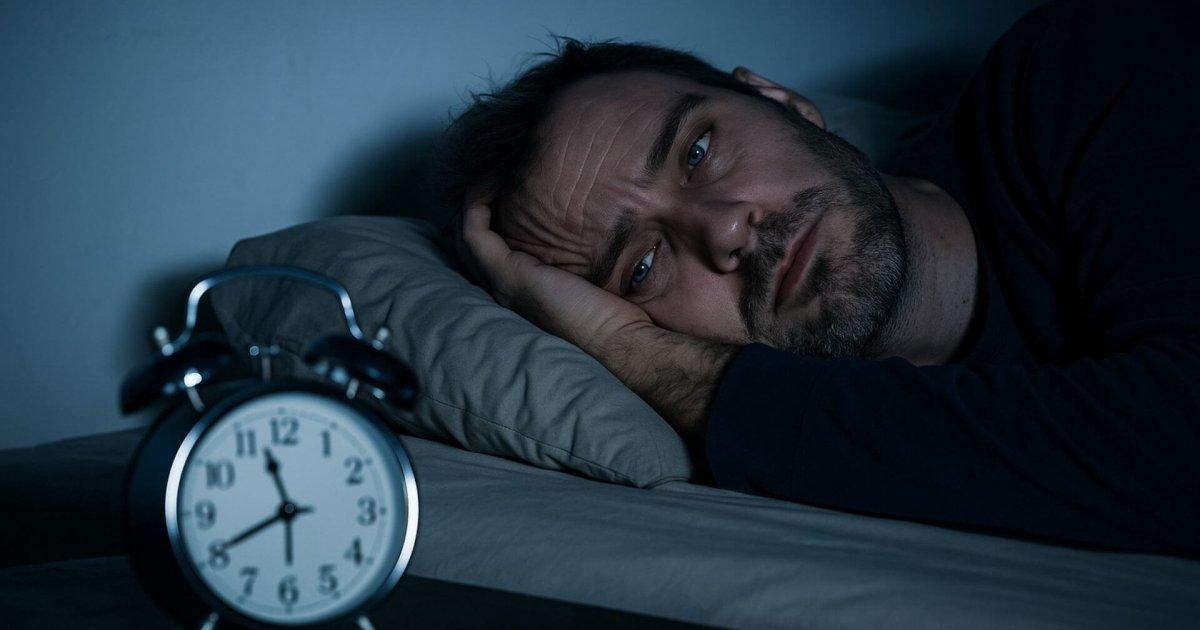
Leading health organizations insist that Most adults should sleep between seven and nine hours every night, giving priority to the quality and regularity of schedulesMaintaining a stable routine, limiting screen time before bed, avoiding caffeine in the hours before bedtime, and creating a peaceful sleep environment are habits that can make a difference. To better understand how sleep quality affects our brain and physical health, we also recommend consulting the impact of artificial light on brain health.
If a person frequently feels the need to sleep more than the recommended number of hours, or if after many hours of sleep they still experience fatigue and lack of energy, it is advisable to consult a healthcare professional to rule out possible underlying conditions.
The important thing is to achieve a Restful, regular rest adapted to individual needs, without obsessing over the hours, but paying attention to any significant changes in usual sleep patterns.