- New penalties for those searching for content deemed extremist online
- Possible exit from WhatsApp in favor of a local app controlled by the government
- Criticism and division among both the opposition and pro-government sectors over the tightening of the measures
- Impact on Russian society due to fears of self-censorship and increasing digital restrictions
In recent times, Russia has intensified barriers to free internet access , making it difficult for its citizens to browse websites and social media platforms containing information that contradicts the official narrative. Since the beginning of the conflict in Ukraine, these restrictions have been increasing and affect both independent media platforms and websites from countries considered "unfriendly."
Control over the internet is being further tightened following the recent passage of a law in the Russian Parliament that imposes fines on those who "deliberately" search for content the government deems extremist. This measure aims to strengthen the power of state institutions over information flows and further restrict access to dissenting opinions.
New fines and controls on internet searches
The legislation, which has been approved by both the State Duma and the Russian Senate, imposes fines of up to 5.000 rubles (approximately €54) on those who intentionally access prohibited material online. The scope of the fines even includes the use of VPNs, a tool frequently used in Russia to circumvent website blocks and access censored information.
The Speaker of the State Duma, Vyacheslav Volodin , has argued that these new rules will allow Russia to confront "Western digital platforms more effectively," which the government accuses of acting against Russian interests. It is also anticipated that the law will be used as a tool to limit the impact of messaging and social media services from companies originating in Western countries.

WhatsApp ban threat and the development of a local alternative
This wave of legislation comes shortly after debates in the Duma about a possible ban on WhatsApp in the country . Some members of parliament have suggested that the popular messaging app should be forced out of the Russian market to make way for a national tool called Max, which is still in its testing phase and whose functionality is reminiscent of the controversial Chinese app WeChat, accused of monitoring its users and sharing information with the government.
Despite having around one hundred million users in Russia , WhatsApp continues to operate even though its parent company, Meta, is officially classified as an extremist entity and banned in the country. New laws and political statements suggest that its continued existence is in doubt, which could massively affect how the Russian population communicates online.

Opposition, political division and doubts about the implementation
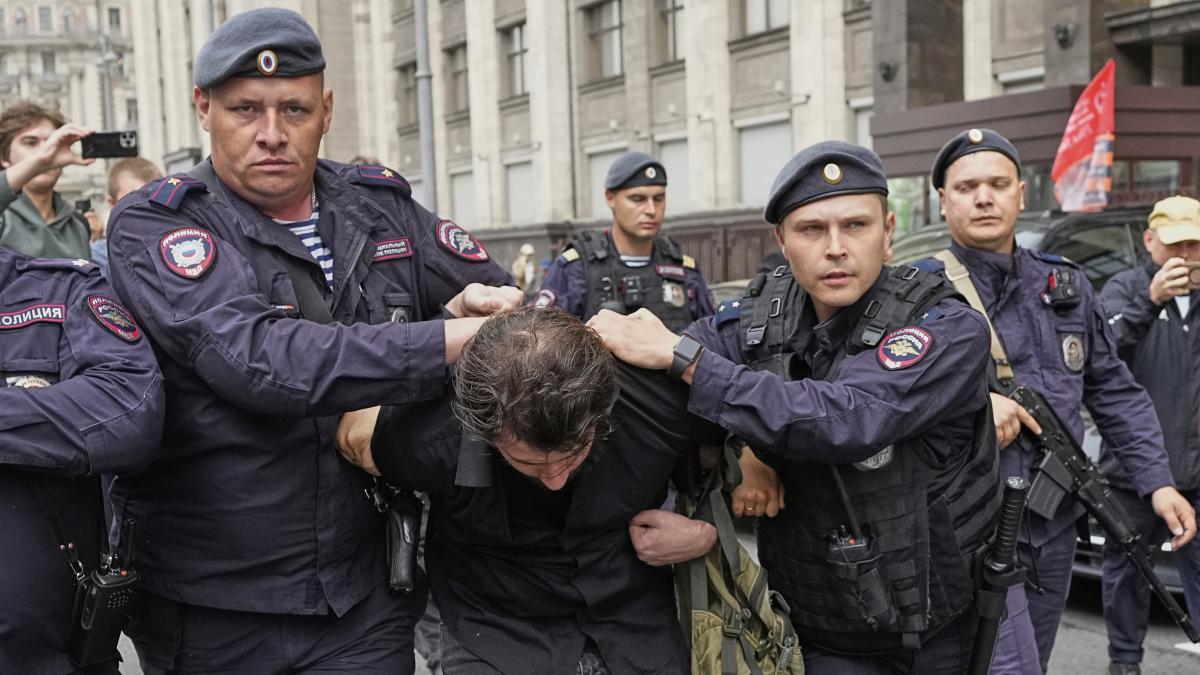
The new measures have generated strong opposition and doubts both among digital rights activists and within the political class itself. Figures like Boris Nadezhdin, known for his attempt to run against Vladimir Putin in the elections, have led small protests outside Parliament, arguing that "Russian society has not shown such apprehension in a long time" regarding a law.
According to Sarkis Darbinian, founder of the Roskomsvoboda collective, the law could trigger an increase in self-censorship and the mass cancellation of Telegram channels or the removal of apps considered potentially dangerous. In his view, the law seeks to "create fear, uncertainty, and encourage self-control" among internet users.

Internally, the vote to approve the law was marked by divisions : while United Russia, the ruling party, endorsed it with an absolute majority, other parties such as New People, A Just Russia, and the Communist Party expressed reservations or voted against it outright. Among the arguments put forward were concerns about penalizing those who access information without knowing it is prohibited and fears that the law would be applied arbitrarily.
An ambiguous legal framework and intensified state supervision
The law leaves many questions unanswered about how authorities will identify the intent behind an internet search. The Ministry of Digital Development has attempted to clarify that sanctions will only be imposed if it can be proven that the user actually intended to access extremist material, although the official list of prohibited entities exceeds 5.500 entries, including groups such as the Anti-Corruption Foundation, the "international LGBT movement," and technology companies like Meta.
This lack of clarity is generating fear among the population, as any citizen could inadvertently access banned websites or search for information unaware that it is on the blacklist. Despite explanations provided by the authorities, the widespread perception is that the scope for interpretation is broad and that state control over the digital lives of Russians could be expanded.

The tightening of internet legislation in Russia not only entails new sanctions but also increases social and political pressure on citizens, extending the scope of self-censorship and strengthening government control of the digital sphere.