- Meta and Midjourney have agreed to a technical collaboration to license visual generation technology and integrate it into future models and products.
- The research teams of both companies will work together; financial terms have not been disclosed, and Midjourney maintains its independence.
- Meta seeks to strengthen tools like Imagine and Movie Gen and compete with Sora (OpenAI), Veo (Google), and other players in the sector.
- The partnership comes amid copyright lawsuits against Midjourney and a legal debate over the use of data to train AI.
Meta has confirmed a collaboration with Midjourney to incorporate, under license, some of its visual generation technology into new models and products. The alliance aims to bring the startup's distinctive aesthetic to the platforms of the company led by Mark Zuckerberg on a large scale.
According to Meta's AI manager, Alexandr Wang , this is a technical collaboration between research teams, focused on accelerating the integration of these capabilities into Meta's ecosystem. Financial terms and specific deployment timelines have not yet been disclosed .
What the alliance entails
The agreement allows Meta to license Midjourney's aesthetic approach and generation techniques for use in its own models and tools. The goal is to enhance the quality and creative control of the images and clips produced within the company's apps.
In practice, this collaboration could enhance the group's existing offerings, such as Imagine for images and Movie Gen for video, by integrating more refined styles, textures, and visual synthesis methods. The collaboration is structured as a joint R&D effort, with iterations aimed at improving the visual output and the consistency of the results.
The communication came via a social media post by Wang, where he emphasized that Meta will continue working with leading players in the sector to accelerate its AI roadmap.
Objectives and competitive context
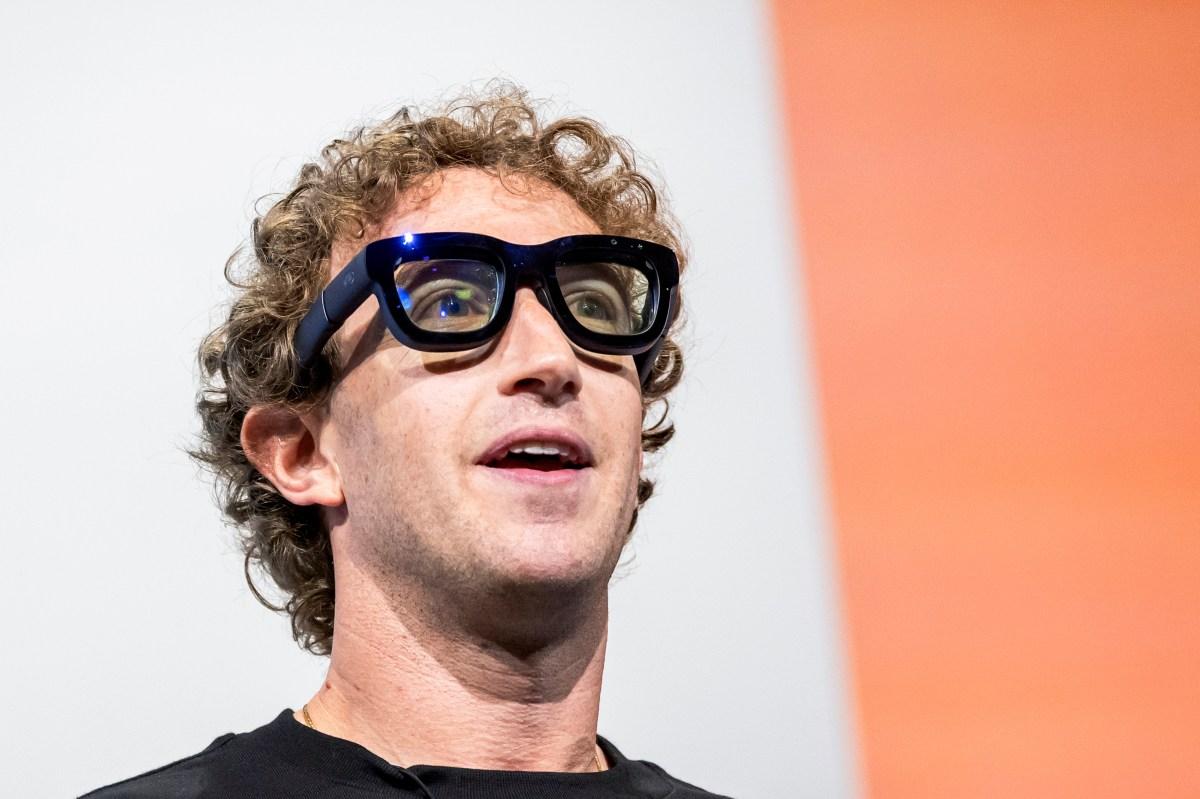
With this alliance, Meta seeks to strengthen its position against rivals that are leading the way in content generation, such as OpenAI with Sora, Google with Veo, and the models from Black Forest Lab. The goal is to offer more realistic, controllable results with lower latency in everyday use cases.
The company has championed a broad approach that combines specialized talent, infrastructure, and collaboration with industry leaders. The addition of Midjourney's expertise fits perfectly into this strategy to gain traction in the mass consumer goods market.
In addition to the technical layer, the agreement aims to make creative experiences more accessible to users , with simple interfaces and consistent visual results across the group's various applications.
The Midjourney Position
Following the announcement, the startup's founder, David Holz , affirmed that the company will continue to operate as an independent research lab, without external investors and with the support of its community. The collaboration with Meta is envisioned as a way to bring high-level creative tools to a mass audience without sacrificing its autonomy.
Midjourney has distinguished itself with its distinctive aesthetic and high-quality image generation, and recently expanded its reach to video with its first proprietary model. The maturity of these systems is one of the attractive features that Meta aims to leverage in its ecosystem.
Industry sources have indicated that Meta considered a potential acquisition of Midjourney, an option that ultimately did not materialize. The current understanding prioritizes a collaboration and licensing framework over a corporate integration.
Legal aspects of the agreement
The move comes as Midjourney faces copyright lawsuits from major Hollywood studios, including Disney and NBCUniversal, challenging its use of copyrighted works in training its models. The legal debate surrounding data and fair use remains open and affects the entire industry.
At the same time, various jurisdictions have issued rulings that, in some cases, favor technology companies when training systems with large datasets. In this evolving landscape, Meta and Midjourney will need to refine their policies and tools to minimize risks and strengthen content traceability.
What the user can expect
While there are no official timelines, we can expect a gradual integration into services like Facebook, Instagram, and Messenger , with greater creative control, advanced styles, and improved visual fidelity. The priority is to bring these improvements to real-world products without compromising security and regulatory compliance.
Details regarding the license, usage limitations, and safeguards concerning copyright and privacy are still pending . The teams involved are working on a phased rollout to preserve quality and reduce potential biases or errors in the models.
With this collaboration, Meta aims for a more refined and practical creative AI, while Midjourney expands the reach of its technology while maintaining its independence. The evolution of technical and legal aspects will determine the pace at which new features reach end users.