- The term evolved from designating birds of prey to referring to boats and light carriages with awnings.
- In current language, it is used colloquially to describe old, slow, and poorly maintained vehicles.
- It has technical meanings, such as the reed structure used in silkworm breeding.

When we hear the word "tartana," the first thing that usually comes to mind is that old car that makes more noise than a tractor and sounds like it's about to fall apart at any traffic light. However, this term has a much richer and more varied background than it seems at first glance, encompassing everything from the marine world to insect farming.
Although today we mostly use it to make fun of a dilapidated vehicle, the word "tartana" has evolved over the centuries. It has gone from describing simple boats to defining old carriages and agricultural structures , demonstrating that language is a living organism that adapts according to the era and the region.
The origin and etymology of the word
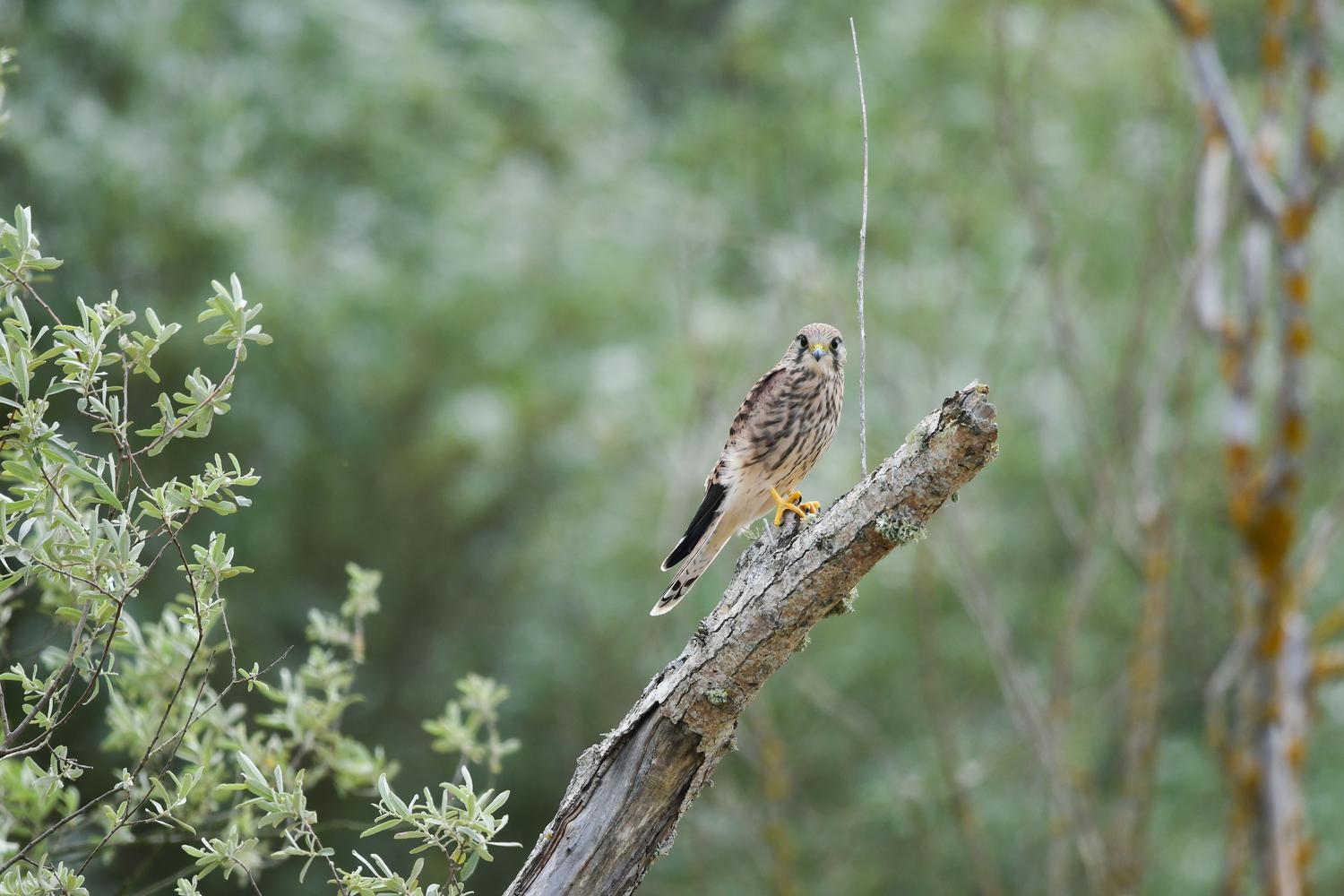
Delving into its history, the term has deep roots in Catalan and Occitan. Originally, the word tartana was used to refer to the kestrel and other birds of prey . Interestingly, there is a theory that the name originated as an onomatopoeia for the staccato cry of these birds, relating it to the act of stuttering or babbling.
On the other hand, some experts suggest that its application to vehicles and ships comes from the Latin word *tardanus *, which means precisely slow . This slowness is the common thread that links the etymology with the current use of the term. Furthermore, it is believed that common words such as the adjective * destartalado* (rickety ) or the verb *destartalar* (to break down), which we use when something has lost its sturdiness, derive from this root.
The horse-drawn cart as a means of transport
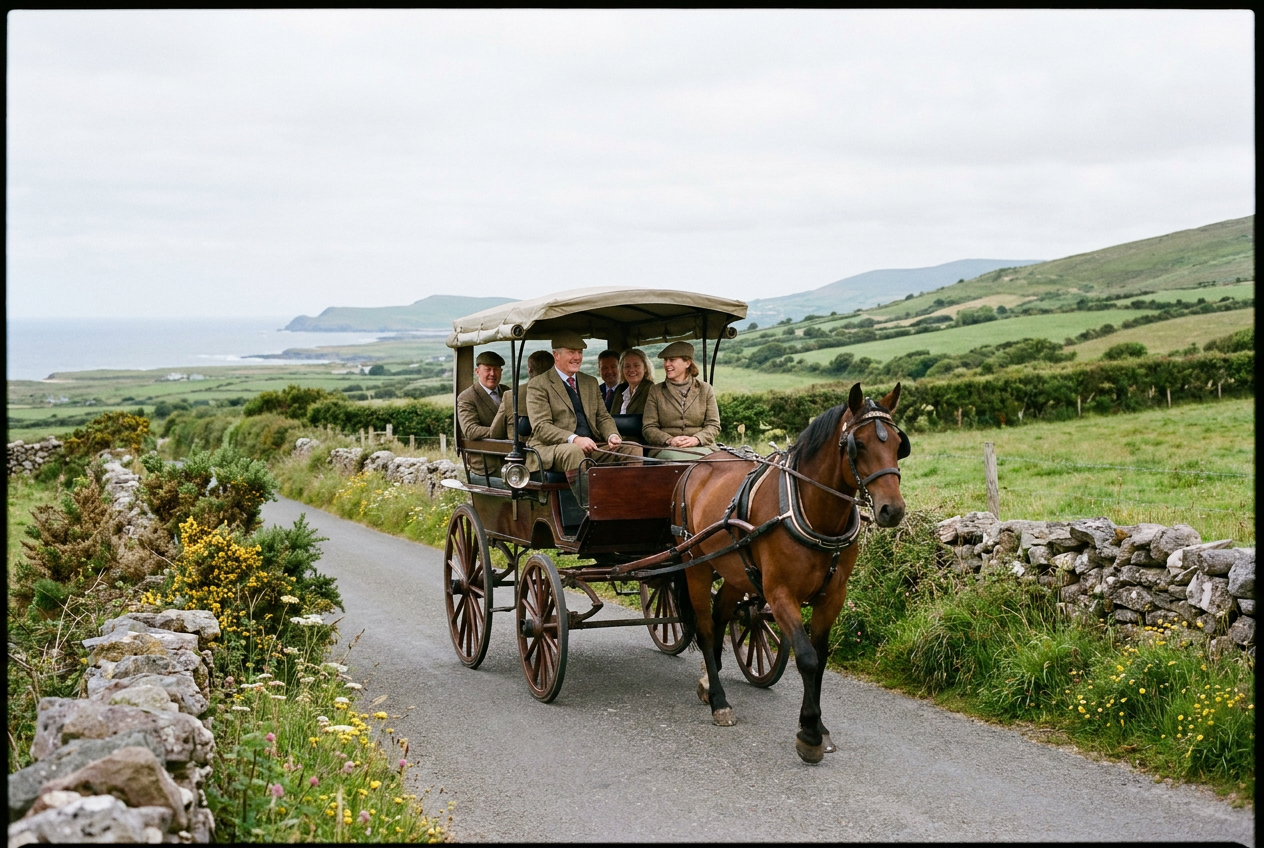
In the land-based context, a tartana is classically defined as a light cart with a canopy , designed to transport a few people. Depending on its shape, there were variations: the square tartana, where the planks and the canopy created a parallelepiped-shaped structure, and more rounded models.
- The Jaunting Car: A very peculiar variant that became popular in Ireland between the 19th and 20th centuries. The most striking feature was that passengers sat crosswise, facing either inwards or outwards, with their feet resting on a footrest outside the wheels. These carriages survive today as attractions on the Emerald Isle.
- Current colloquial usage: In everyday language in Spain and other countries, we call any cart a tartana. old and poorly maintained carIt's that vehicle that has already given all it had to give and that, on any bump, seems like a wheel is about to come off.
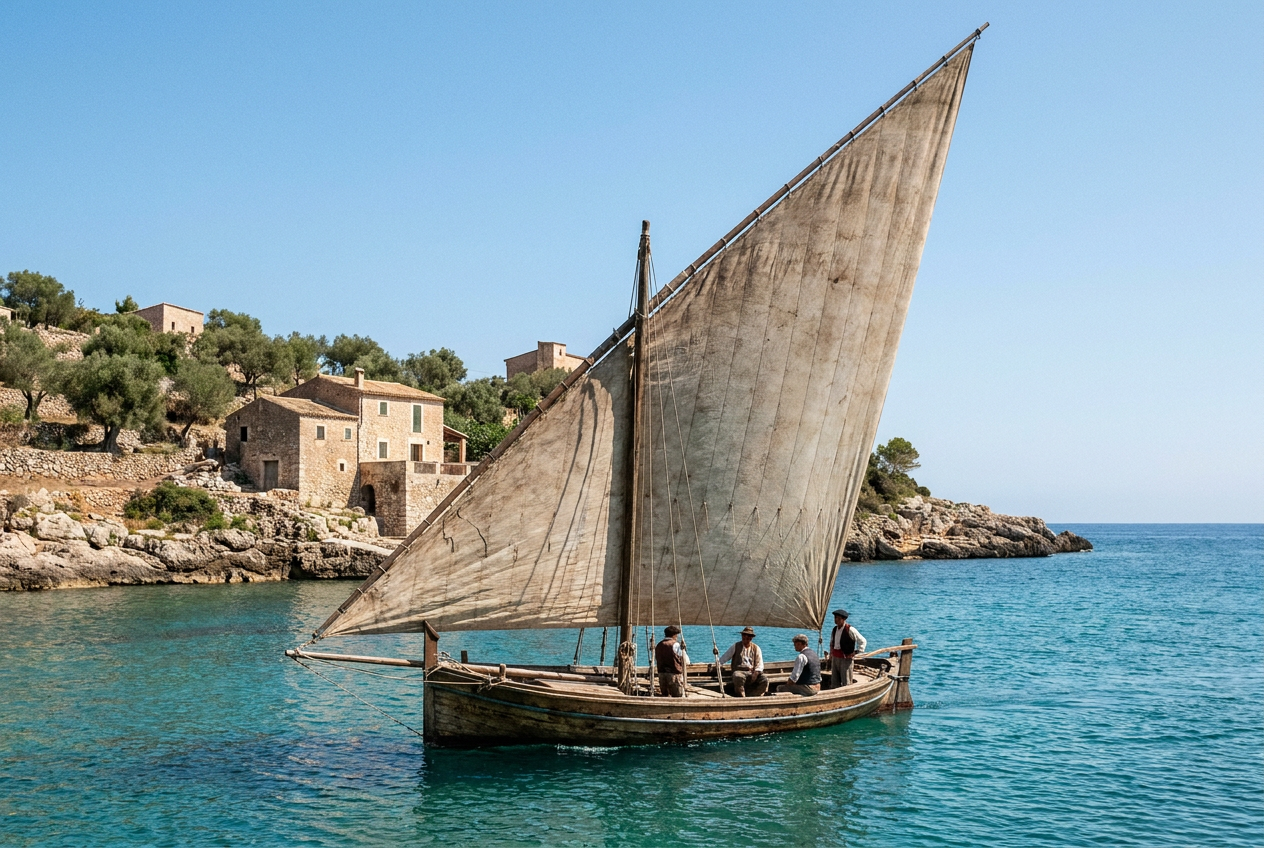
We must not forget that, in the past, the tartana also sailed the seas. It was a simple sailing vessel , characterized by having a single mast and a lateen sail, which made it ideal for certain coastal tasks.
Other meanings and applications

Beyond transportation, there is a much more technical and agricultural meaning. In various regions, a tartana refers to a structure made of interwoven rods or canes. This frame serves as a bed where silkworms can feed and develop comfortably during their growth.
Whether we're talking about a truck that makes a terrible noise or a sericulture structure, the word reflects an idea of simplicity or decay . From the vaulted carriages of yesteryear to today's battered pickups, the term remains alive in our vocabulary to describe something that, despite its condition, still serves a purpose or evokes nostalgia.