- Configure and prioritize alerts (severity, status, source) to respond faster.
- Classify (TP, B-TP, FP) and adjust rules to reduce false positives.
- Avoid scams: identify fake pop-ups and use antivirus/blockers.
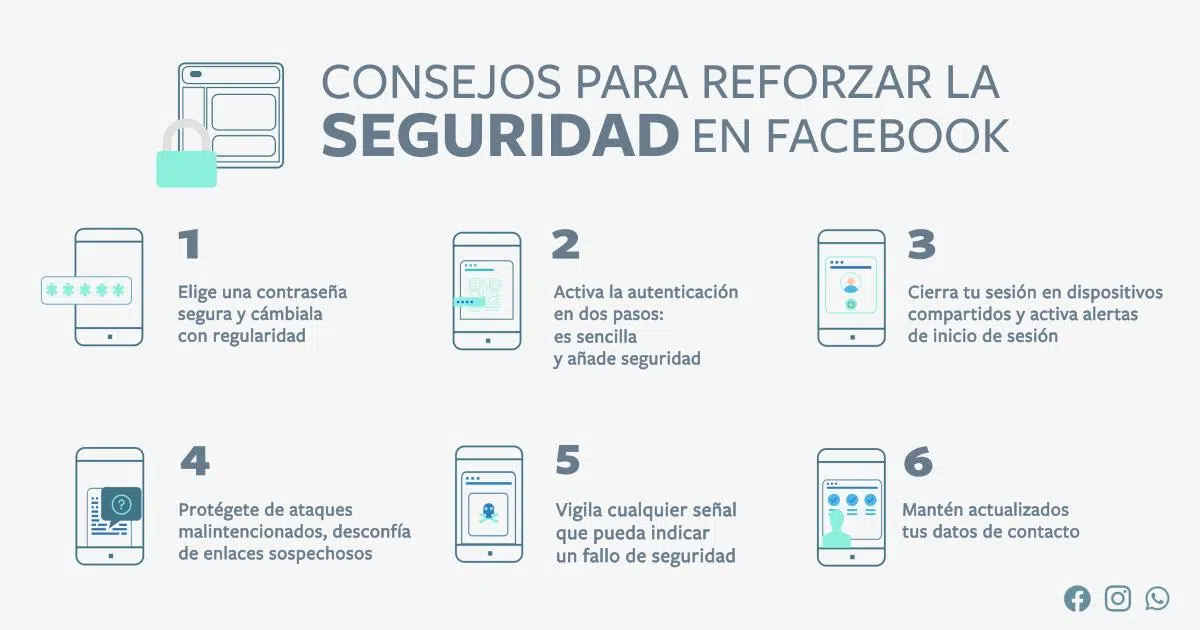
Internet security alerts are timely warnings that can save you from a nasty surprise: from suspicious logins and dangerous downloads to unusual activity on your systems or accounts. It's not just about receiving notifications, but about understanding what they mean, how to prioritize them, and what steps to take to stop the problem before it escalates.
This article provides a practical and detailed guide to detecting, managing, and optimizing alerts , both for individual users (such as in Gmail) and in corporate environments using tools like Microsoft Defender for Identity and Microsoft Defender XDR . You'll also learn how to identify fake pop-up messages designed to scare you into clicking, and what steps to take to keep your security safe without wasting time or getting frustrated.
What are security alerts and why do they matter?
A security alert is an automated notification that is triggered when potentially dangerous or anomalous behavior is detected : access from unusual locations, phishing attempts, use of malicious apps, suspicious attachments, or indicators of compromise on devices and accounts.
Everyday services like Gmail can warn you before you download a risky attachment or when someone accesses your account from an unrecognized device . In these cases, you'll receive alerts in your inbox or on your mobile device, allowing you to take action with a single click: change your password, review recent activity, or block unauthorized access.
In businesses, things escalate: user workstations typically have antivirus and EDR/XDR solutions, but the first line of defense remains common sense . If something doesn't seem right, don't open it. And if you want to truly protect yourself, combine clear procedures, training, and tools that detect anomalous behavior before it becomes an incident.
A simple yet effective tip: keep your key work data on a network drive with backups . That way, if something goes wrong (malware, accidental deletion, or ransomware encryption), you can recover quickly and easily.
Essential good practices to avoid falling into the trap
Avoid opening links or attachments from unknown or suspicious senders. If you receive a strange email, don't open it or forward it without verifying its origin . If necessary, contact the supposed sender through an alternative channel (phone, corporate chat) to confirm.
Be wary of unsolicited urgent requests: attackers play on time and fear to force you to act impulsively. If urgency is their argument, that's a red flag.
When in doubt, caution is advised. Many support teams are available to help: for example, some services offer direct assistance at soportetic@dip-valladolid.es or by phone at 777. Explain what happened, and you'll receive guidance on the best update or procedure to follow.
If you prefer to research at your own pace, some organizations publish downloadable guides. You can also consult external resources in PDF format that delve deeper into security best practices and alerts: access a reference guide for more details.
Alert queue in Microsoft Defender: the operational view
In corporate environments, the alerts queue is the dashboard where you can see, at a glance, what matters most. By default, it displays alerts from the last seven days , ordered from newest to oldest, grouped by criteria to quickly understand the context.
To access it, in the Microsoft Defender portal, go to Incidents & alerts and then to Alerts . The view includes very useful columns for prioritizing: Alert name, Tags, Severity, Investigation status, Status, Category, Detection source, Affected assets, First activity, and Last activity.
View customization: columns, filters, and periods
At the top you have tools to adjust the view to your liking: add or remove columns, apply filters, change the time range (1 day, 3 days, 1 week, 30 days, 6 months) and export a detailed report to Excel if you need to analyze data or share it with other departments.
Filters make all the difference when the volume grows. You can filter by Severity (calculated based on potential impact, attacker privileges, and the likelihood of a true positive), by Status (New, In Progress, Resolved), by Detection Sources (Microsoft Defender for Identity or Microsoft Defender XDR ), and by Tags.
How to open and read an alert in detail
Accessing an alert is very simple: click on its name from the Alerts page, from Incidents, from Identities, on each device 's page , or even from Advanced Search. The idea is that you arrive at the same point even if you start from different locations.
The details page aggregates related signals and builds a comprehensive alert article to help you assess, investigate, and act quickly. You can filter to view both Defender for Identity and Defender XDR alerts in a single view by selecting both sources under Service Sources.
What you'll see in Microsoft Defender for Identity alerts
At the top, you'll see sections with the accounts involved, the destination host, and the source host . Depending on the case, details about hosts, accounts, IPs, domains, or security groups will appear. Clicking on any of them will take you to its details page for more information.
The Alert History shows you two key pieces: What happened (timeline and related entities) and the alert graph , which visually illustrates the connections between actors and resources. In addition, the Important Information provides technical data to validate whether the activity was expected or suspicious and to decide how to contain or escalate it.
In Activity Details, you'll see the timestamp, main object, scope, and other metadata. On the right, the details panel brings together the alert fields, comments, and history , and provides access to Manage the alert, Export it, Move it to another incident, or Classify it.
What you'll see in Microsoft Defender XDR alerts
Similarly, you'll have top sections for accounts, source hosts, and destination hosts , with shortcuts to hosts, IPs, domains, or groups. The Alert History section summarizes what happened with its timeline and affected entities, and the side panel allows for quick management and categorization.
Manage alerts: statuses, owners, and comments
Alerts are managed from their own dashboard. You can change their status to reflect the progress of the investigation: New , In Progress, or Resolved. This helps distribute workload, as everyone knows what's pending and what no longer needs attention.
If it doesn't already have an owner, assign it to yourself by clicking "Assign me." It's also good practice to leave comments with context, findings, or hypotheses; every change or note is recorded in the Comments & History section, making it easier to track, audit, and learn.
Additionally, you have the option to create a new incident from the alert or link it to an existing one. Moving an alert from one incident to another is useful when you discover a causal relationship with an ongoing investigation or want to consolidate signals.
Alert classification: TP, B-TP and FP
Before closing, ask yourself these questions to properly classify: Is the alert a True Positive (TP), a Benign True Positive (B-TP), or a False Positive (FP)? How often do you see this alert in your environment? Does it affect similar teams or users (same role, department, or pattern)? If the pattern is recurring and benign, it might be best to exclude it to avoid generating unnecessary noise.
The definitions are clear: TP is an actual malicious action detected by Defender for Identity; B-TP describes actual but non-malicious actions (intrusion tests, approved scans or known activity of a legitimate app) and FP is a false alarm, that is, the activity did not occur or does not correspond to what was alerted.
Optimization and fine-tuning of alerts
To reduce false positives and focus attention on what matters, adjust and refine your rules. In Microsoft Defender XDR, you can create conditions based on types of evidence and apply them to the rule types that match those conditions . This improves coverage, reduces noise, and speeds up your response.
Optimization isn't a one-time event but an iterative process: as you learn from the environment, you adjust thresholds, labels, and exceptions. This allows your SOC to focus on high-priority alerts and your defense posture to evolve with the business.
The importance of anticipation: vulnerabilities and reporting
Every day, flaws and vulnerabilities emerge in systems and apps; there's an entire community dedicated to discovering and reporting weaknesses . No one is immune, which is why having alerts that anticipate problems is crucial for minimizing exposure and response time.
Many organizations are defining clear pathways for reporting findings. One useful standard is security.txt , which outlines how to contact, what to expect, and through which channel to share evidence, in a responsible and frictionless manner.
If you want to learn, there are resources in Spanish for all levels: books, online courses, lab platforms, content on ethical hacking, malware analysis , and information security. Training helps you better interpret alerts and distinguish between what's truly important and what's not.
Large companies like Microsoft, Google, and Apple have dedicated teams to receive reports and fix vulnerabilities; they even offer rewards to those who report flaws responsibly . Small and medium-sized enterprises (SMEs), if they don't have their own team, can rely on specialized providers who audit systems and define alerts tailored to their specific needs.
In fact, beyond public alerts, there are auditing services that design customized alerts so you only receive information relevant to your infrastructure. You save time, avoid alert fatigue, and strengthen security governance.
Privacy and cookies: what they should tell you
Many websites use their own and third-party cookies to function properly and measure audience. Ideally, you should be offered a panel where you can configure preferences and accept or reject cookies with a single click. If you access third-party websites through links, remember that their privacy policies are separate: review and verify the security of a website.
Fake virus alerts: how they work and why they are dangerous
Fake virus alerts (the typical alarmist pop-ups) mimic the appearance of real system or antivirus notifications. They copy colors, buttons, and animations, and even " borrow " names and logos to appear credible. The message is almost always urgent and threatening: "Your PC is at risk!", "Immediate action required."
To increase the pressure, they include visual and auditory tricks: countdowns, flashing red/yellow lights, or beeps. The goal is clear: to push you into clicking without thinking and installing malware, sharing sensitive data, or calling a fake tech support line.
What are scammers looking for?
Behind these pop-up windows are several objectives: to sell you fake "cleaners" or antivirus software, to steal your personal data with phishing techniques, to sneak malware that steals information or encrypts files, or to hook you with a supposed support agent to scam you over the phone, like the internet scam in Fuerteventura.
Signs to identify a fake pop-up
Pay attention to these signs: spelling and grammar mistakes, clumsy design or one that doesn't fit with your system, URLs that don't match (misspelled domains or with variations), strange behavior (locks the screen, asks for immediate payments , requests passwords, forces downloads) or asks you to call an "urgent" number.
What to do if you receive a fake pop-up message
First, stay calm: do not click any buttons in the alert. Close your browser safely (Alt+F4 on Windows or Command+Q on Mac) and, if it remains open, force close it . Avoid calling the phone numbers listed in the alert.
Next, clear your cache and cookies to remove any persistent scripts, check your installed extensions for any suspicious ones, and run a scan with your trusted antivirus software . Look for any unusual behavior (slowness, crashes, abnormal battery drain, emails sent without your permission). As a last resort, consider restoring your device to factory settings.
How to protect yourself so you don't get caught off guard
Install a reliable security suite with real-time protection to block adware, scripts, and malicious websites. Commercial solutions like Surfshark Antivirus include fast, comprehensive, scheduled, and immediate scans to detect threats where they hide most (extensions, add-ons, common locations).
Activate pop-up blockers in your browser ( see Privacy and Security in Chrome ). Features like CleanWeb (Surfshark) block malicious scripts that launch pop-ups and also alert you if a website has been compromised by malware or data breaches, helping to keep you safe.
Be cautious: avoid websites of dubious reputation and don't click on banners or flashy buttons; sometimes even the "X" is a trap. If you land on such a page, it's best to close the entire browser instead of interacting with the pop-up.
Consider using a reliable VPN. A VPN encrypts your traffic, makes it harder to inject content into unsecured networks (hotels, airports), and hides your real IP address, reducing tracking and exposure to targeted scareware that uses data like your location.
Practical tips that never fail
Always verify the sender, confirm via an alternative channel if in doubt, and remember: if it seems too urgent, be suspicious. Maintain network backups, apply patches regularly, and train your team in basic practices (phishing detection, strong passwords, MFA).
In enterprise tools, leverage the alert queue : filter by severity, status, and detection source; reduce noise with fine-tuning; document with comments; and standardize classification (TP, B-TP, FP). All of this contributes to a faster and more effective response.
For everyday life, set yourself simple rules: don't download software from random links, check browser extensions regularly, and don't share sensitive data without first confirming who is on the other end and why they need it.
The relevant organizations and companies offer clear channels for inquiries and support. If you feel lost, ask for help: a couple of minutes with technical support can save you hours of troubleshooting and a lot of frustration.
Mastering security alerts is a matter of method and composure. With proactive notifications in services like Gmail, a well-tuned alert queue in Microsoft Defender, classification and tuning processes, and best practices for dealing with scams (especially fake pop-ups), you can keep most threats at bay and respond confidently when necessary.