- Implementation of assessments based on the process and critical reasoning rather than the final result.
- Using AI as an object of analysis to detect errors, biases and promote critical thinking.
- Establishment of clear and coordinated regulations at the center level on the ethical use of generative tools.
- Integration of active methodologies and tangible projects that require creativity and human execution.

The arrival of artificial intelligence in classrooms has gone from being science fiction to everyday reality. Many young people are already integrating these tools into their study routines, sometimes behind the backs of their teachers, which forces us to confront a dilemma: either we try to shut the door, which is virtually impossible, or we learn to work alongside technology so that it becomes an asset, not an obstacle.
The real challenge lies not in the tool itself, but in how we manage it pedagogically. It's not about prohibiting for the sake of prohibiting, but about fostering sound judgment and genuine responsibility. If we can get students to understand that AI is a support, not a substitute for their own effort, we will have won the battle against rote learning and automatic copying.
Strategies to combat the uncritical use of AI
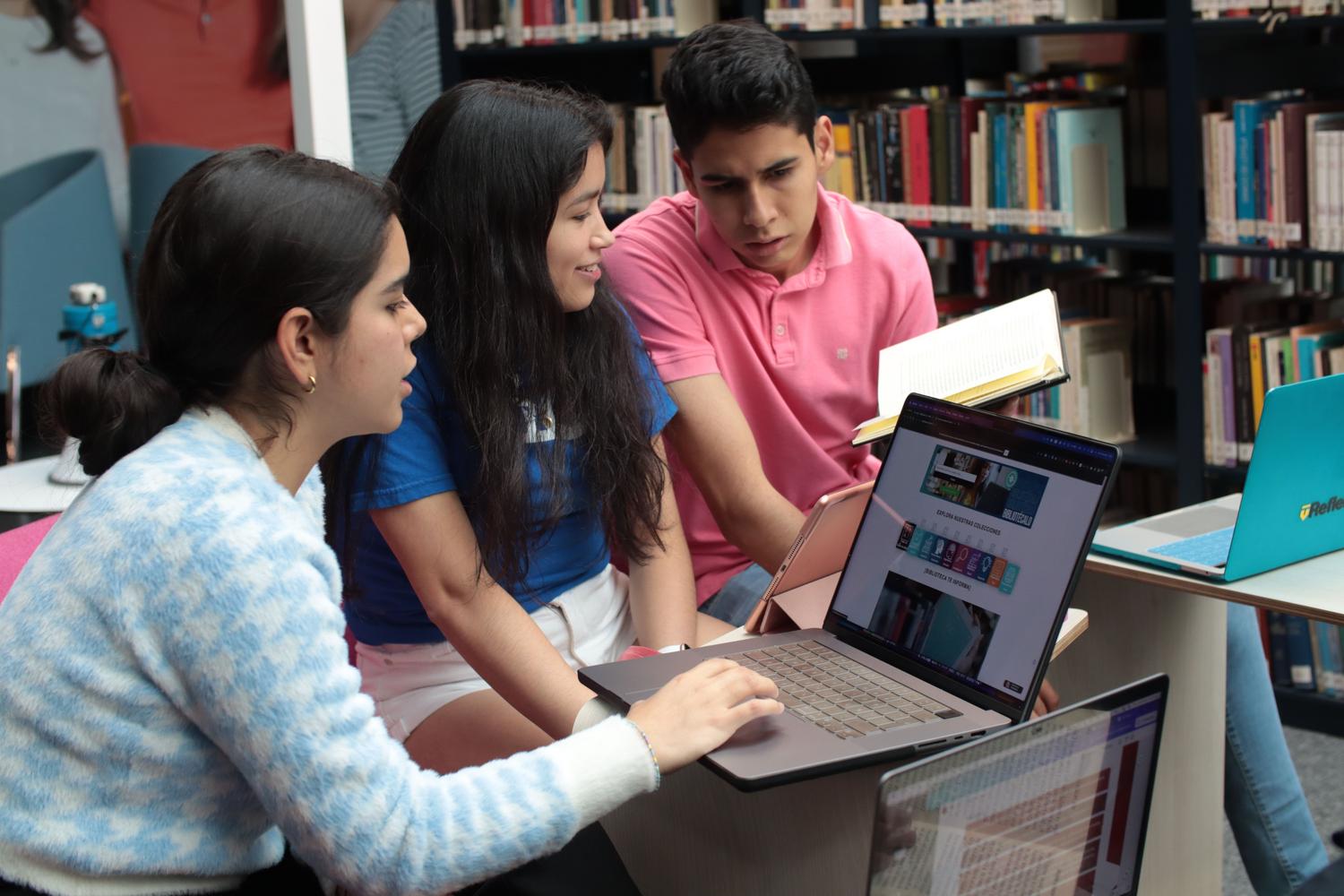
To prevent students from falling into the trap of submitting automatically generated work without reading a single comma, it is crucial to change the approach to assessment. Instead of focusing solely on the final product, we must prioritize the learning process . This involves requesting successive drafts, keeping work journals where students explain their reasoning, and conducting oral presentations of their projects.
Another highly effective tactic is to make AI itself the object of study. We can propose activities where students must detect biases or errors in a machine-generated text, comparing these results with traditional bibliographic sources or with the teacher's explanation. In this way, the student ceases to be a passive recipient and becomes a critical auditor of the information.
Practical proposals and classroom activities
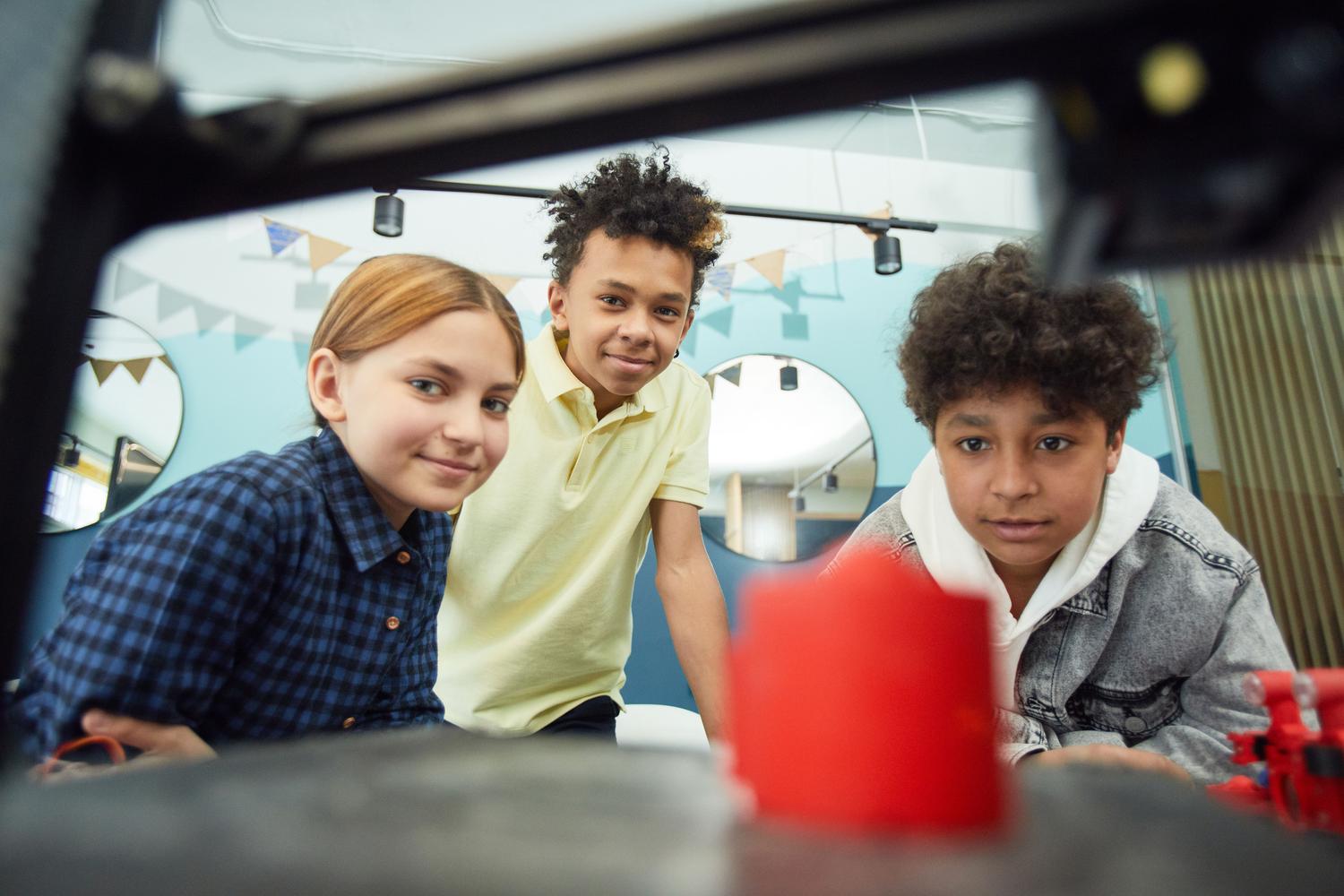
There are specific activities that help to bring these concepts to life. One of them involves classification workshops where, using cards with various scenarios, students debate whether a particular use of AI is ethical and constructive or simply a shortcut . The key here is that there isn't an immediate, definitive answer, but rather that peer dialogue guides the discussion.
- Comparative analysis: Compare how different AIs respond to the same question to notice the discrepancies.
- Guided co-creation: Use technology to generate initial outlines or brainstorming sessions that then need to be developed manually.
- Justified reformulation: Take one of your own texts, ask the AI to improve it, and have the student explain why the suggested changes are better or worse.
Furthermore, the integration of active methodologies and innovative spaces greatly enhances learning. The creation of podcasts, digital news programs, or the use of 3D printing and virtual reality allows knowledge to materialize into tangible projects, where AI acts as a design tool, but execution and creativity remain human.
Regulations and teaching coordination

For this to work, there can't be any back-and-forth between teachers; the entire institution must be on the same page. It's essential to establish clear and shared ground rules . For example, defining that AI can be used to organize time or brainstorm ideas, but that its use in unsupervised exams or submitting entire texts without citing the tool is strictly prohibited.
Ongoing professional development for the teaching staff is the driving force behind this change. Creating shared resource banks and conducting internal training sessions allows all teachers to feel comfortable suggesting optimized prompts for designing activities such as educational escape rooms, academic debates, or scientific investigations that are truly resistant to automated plagiarism.
The role of extracurricular activities

Sometimes, the rigid curriculum of the regular classroom leaves no room for pure experimentation. This is where technology workshops and extracurricular activities come in. These spaces allow computational thinking and digital ethics to be approached from a more playful and practical perspective, freeing students from the pressure of grades and allowing them to explore the limits of technology safely.
The key lies in understanding that AI doesn't think or reason, but rather processes data patterns. When students grasp that machines can be mistaken or speculate, they regain confidence in their own intellectual abilities. Ultimately, the goal is for technology to enhance our faculties instead of replacing them, always maintaining the human perspective as an essential filter in any educational process.