- Epic Games and Google end nearly six years of legal and commercial dispute over commissions and payment methods on Android.
- Fortnite will officially return to the Google Play Store worldwide, with availability also planned for Spain and the rest of Europe.
- Google reduces standard commissions from 30% to a maximum of 20% and lowers subscription fees to 10%.
- Android is becoming more open to third-party app stores and alternative payment systems, with phased changes in the US, UK, and European Economic Area.
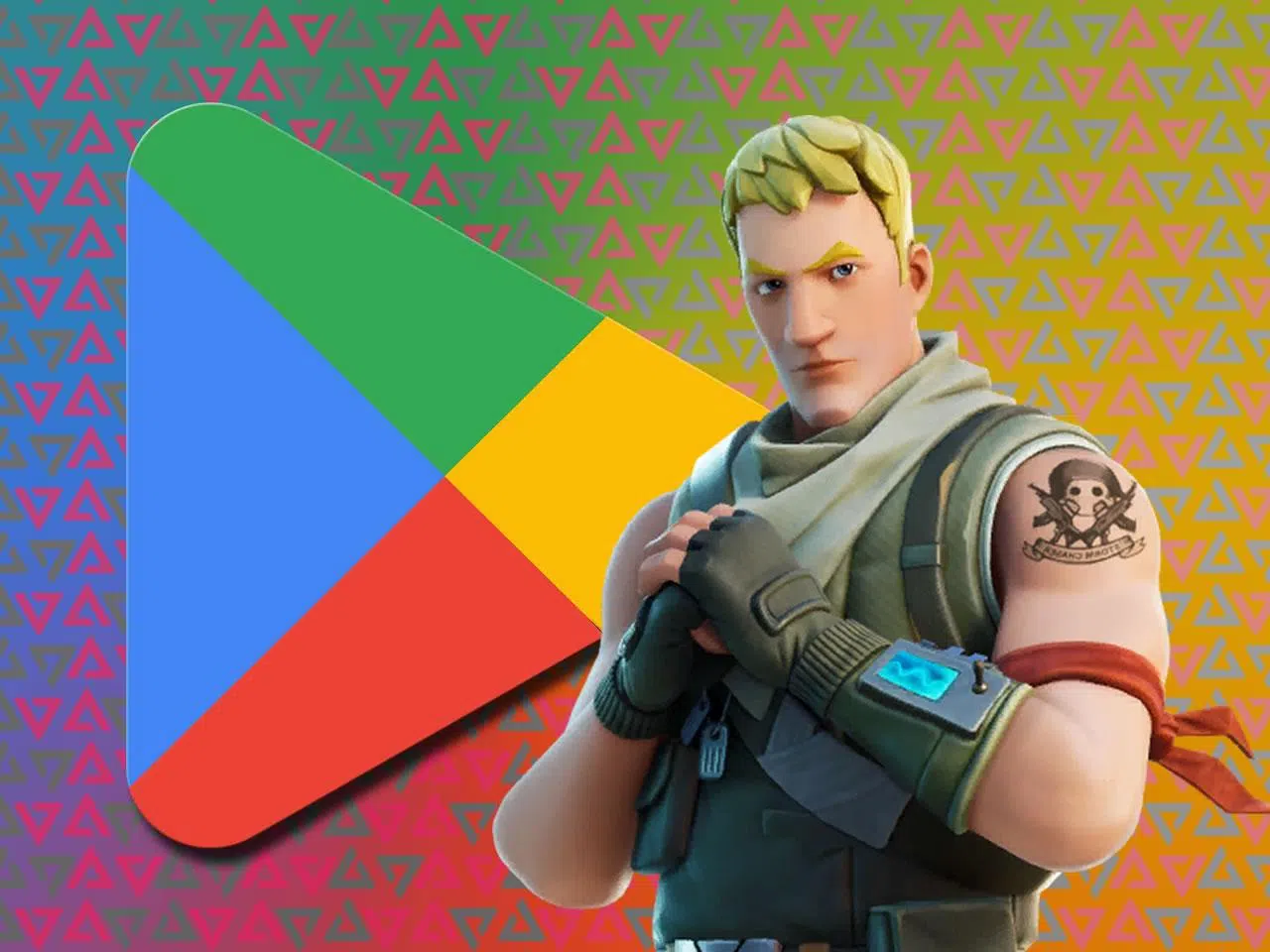
After almost six years of dispute between Epic Games and GoogleThe famous battle royale game will undergo a major shift in its relationship with Android: Fortnite will return to Google Play worldwideThe conflict that began in 2020, and which forced millions of players to seek alternative ways to install the game, is now ending with an agreement that changes the rules of the mobile ecosystem.
The title's return to the official store comes with a profound restructuring of the commissions and the regulations governing app stores and payments on Android. For users in Spain and the rest of Europe, this will mean simpler and more secure installation, and a somewhat more open environment for games and applications.
From Fortnite's expulsion to the historic agreement
The controversy began in the Summer 2020, when Epic Games decided to introduce a proprietary payment gateway for the purchase of V-Bucks within the game. By offering lower prices outside of Google's official billing system, the company directly clashed with Play Store rules.
At that time, Google required that all in-app transactions would go through its payment system, from which it retained a 30% commissionEpic called the fee abusive and monopolistic, and chose to openly circumvent it. Google's response was immediate: Fortnite was removed from Google Play for violating the terms of service.
From then on, anyone who wanted to play on Android had to Download the installer from your browser or resort to alternative stores. This method, besides being cumbersome, involved bypassing multiple system security warnings and exposed many users to fraudulent websites that mimicked the legitimate download.
In parallel, Epic Games embarked on a legal offensive against Google in several countries, including United States, Australia and United Kingdomalleging a supposed monopoly in app distribution and mobile payment methods, lawsuits and regulatory pressure, especially from Europe, have ultimately forced a change of course in Android's policy.
Fortnite returns to Google Play: what this means for players
The new scenario takes shape in a global pact: Epic Games and Google have settled their disputes and have agreed the Fortnite returns to the Google Play StoreAs Reuters reported and the developer later confirmed, the game will be officially available worldwide again.
In practice, this means that users from Spain and the rest of the European Economic Area Users will be able to download Fortnite directly from the Google Play app, just as they did before the conflict. There will be no need to use external APKs or custom installers, which simplifies the experience and reduces security risks.
Although An exact date has not been specified. For all territories, reports indicate that the title It will reappear in the store by region.The return has already taken place in the United States, and it is expected to happen in European countries such as Spain in the coming weeks, as the new commission and billing programs are rolled out.
Tim Sweeney, CEO of Epic Games, has publicly celebrated the agreement and announced that the Installing Fortnite on Android will become increasingly easy, both from Google Play and from the Epic Games Store itself, which will remain available as an alternative on the operating system.
Model change: goodbye to the 30% and new commissions on Google Play
The return of Fortnite is, in reality, the most visible aspect of a broader change in Google Play policy. The company has introduced what it calls “a new era for choice and openness”, in which Standard commissions of 30% are definitely no longer the norm..
Google will begin to apply a maximum of 20% in commissions linked to in-app purchases, a significant reduction compared to the previous scheme. In many cases, and under specific developer programs, that figure can be reduced to as much as 15% in new installations, provided that certain requirements are met.
Furthermore, the payment structure is reorganized into two concepts: Billing and serviceCreators who choose to continue using Google's native billing system in territories such as The United States, the United Kingdom and the European Economic Area will assume a fixed commission of 5% per invoice, to which is added the service fee for in-app purchases, which is set at around 20% for new installations.
Brianda recurring subscriptions —for example, monthly fees for services or games—, the standard rate goes from 15% to 10%This is a significant cut for those whose business model relies on this type of recurring income.
In this way, a developer participating in the new programs can end up paying only 15% off purchases in new facilities and around 20% for existing users, always with the option to further adjust the cost if you combine alternative payment systems with Google billing.
More payment options and third-party stores on Android
Another key point of the agreement is the opening the Android ecosystem to alternative payment methods and third-party app stores, an area where Epic Games had been pushing for years to gain more room to maneuver.
On one hand, Google will allow developers to include their own payment system directly within apps and games, without forcing all purchases through Google Play Billing. The possibility of redirect the user to an external website to complete the purchase process, something that was previously much more limited.
On the other hand, the company is launching the program Registered App Stores (Registered app stores), which aims to simplify the installation of third-party app stores on AndroidThose who join this program and meet certain safety and quality criteria will be able to offer a more convenient and less intimidating installation process for the user.
Until now, one of the biggest obstacles for these stores was the Android warning alertsPrevious warnings cautioned about potential risks when installing software from outside Google Play. With the new model, if the store is registered and verified, these messages will be less aggressive and the process will be better integrated into the system.
As Google has explained, this more open framework aims to create “a solid support for stores and competitive payments” and offer "a better deal for all developers," which in theory should encourage more competition and a wider variety of options for Android users.
Impact in Spain and Europe: timeline and practical effects
The announced changes will not be activated all at once across the globe. Google has indicated that the new commission and billing structure will begin to be applied first in The United States, the United Kingdom and the European Economic Area, which includes Spain.
In these territories, the The tariff adjustment is scheduled for June 30th.with a phased rollout to the remaining regions in the following months. In parallel, the company states that Registered app stores will launch with a major version of Android. towards the end of the year, which will mark another step in opening up the system.
In the Americas, Oceania, and other markets, Google has spoken of a progressive global implementation until 2027so that the new regulatory and commission framework is fully established in all regions before that date.
For those playing from Spain, the most visible effect will be that Fortnite will reappear on the Google Play page It can be installed and updated directly from the store, without any intermediate steps or external sources. This will also reduce the likelihood of falling for fake websites that promise "magical" game downloads.
On the economic front, the reduced fees and new payment methods This could encourage more European studios to opt for alternative models, specific promotions, or slightly more adjusted prices, given the higher margin for each transaction made on Android.
The resolution of the Epic-Google case, along with other decisions in Europe against the dominant position of large platforms, also sends a message to the rest of the tech giants: The famous 30% wall is beginning to crack. And digital regulatory frameworks will, predictably, be more demanding with the upcoming ecosystems and online stores.
With all this movement, a stage in which installing Fortnite on Android involved navigating security warnings and finding alternative routes comes to an end, and a new scenario opens up in which Google Play loosens its grip, reduces its fees, and allows more competitionFor the average user, the change will be noticeable in a more convenient and secure game download and, in the medium term, in a more flexible app environment, while for game developers and publishers the new revenue sharing and greater payment freedom mark a turning point in how business is done on the Google platform.