- Training in critical maneuvers such as CPR and airway obstruction (OVACE).
- Specialized training in both adult and pediatric and neonatal emergencies.
- Learning about the detection of serious pathologies such as stroke, heart attacks and hemorrhages.
- Instructions for the correct activation of emergency services and use of the first aid kit.
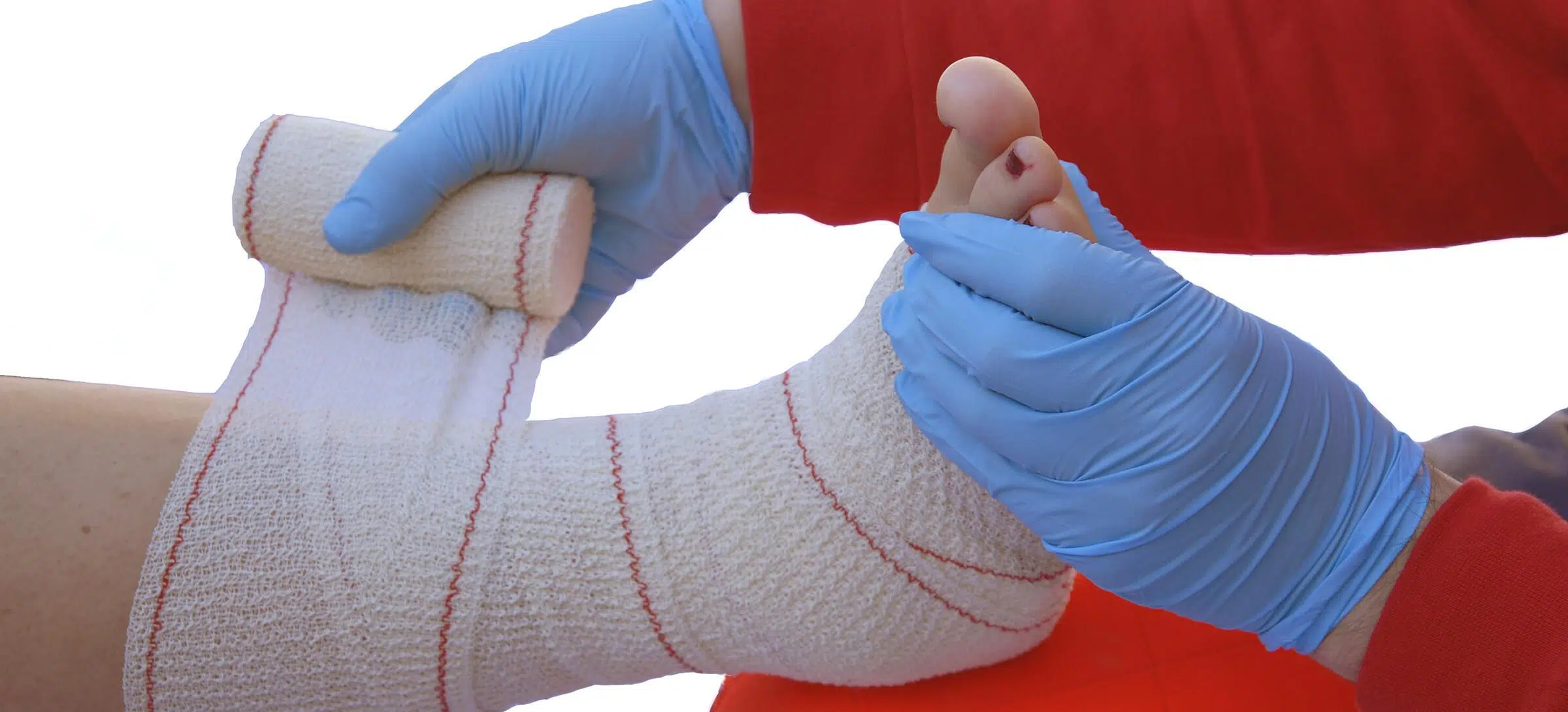
Sometimes we think that accidents only happen in movies or in dangerous places, but the reality is that the most common risks They hide in the most ordinary corners of our homes or on the street. Knowing how to react in those first moments can make the difference between a passing scare and a tragedy, since intervening in time helps to significantly reduce the damage physical characteristics of the people we love most.
You don't need to be a doctor to save a life; you just need the right training and to keep a cool head. Mastering the basics of first aid is a fundamental tool for guarantee a happy ending in the event of any unforeseen circumstances, allowing us to act safely while waiting for professional help.

Specialized training for all ages
There are programs designed to cover the entire spectrum of needs, from general courses taught by expert organizations such as the Red Cross, which share their daily experience caring for millions of people, to specific training in pediatricsIn the case of young children, it is vital to know what to do in the event of choking or cardiac arrest, as children require maneuvers adapted to their anatomy.
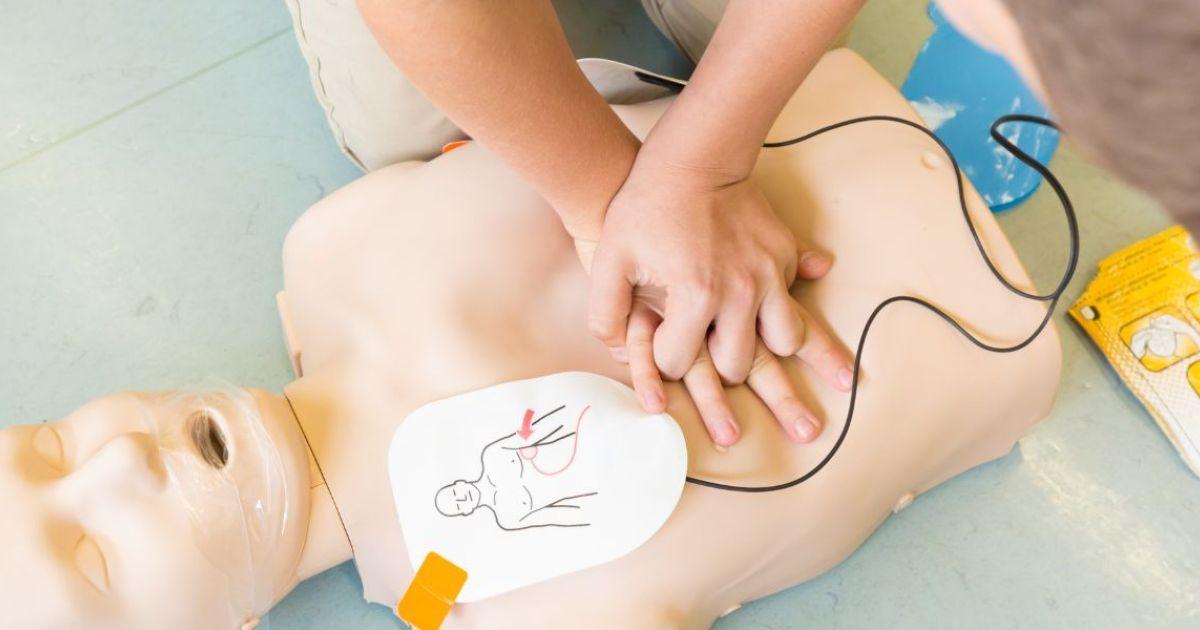
Having guidance from professionals, such as pediatric emergency room specialists, allows parents and caregivers to learn how to manage deep wounds or suffocation effectively. The goal is for anyone, regardless of their prior experience, to feel capable of taking the first aid measures children with complete confidence.
Key Competencies and Learning Objectives
A comprehensive first aid workshop not only teaches the technique, but also prepares the student to activate emergency services correctly. It is essential to learn how to provide assistance quickly and safely, preventing the patient's condition from worsening due to incorrect intervention. Among the most critical skills are the application of the Cardiopulmonary Resuscitation (CPR) and the maneuvers against airway obstruction by a foreign body (OVACE).
In addition to critical maneuvers, it is essential to know how to handle less serious but very frequent situations. This includes everything from to stop bleeding or treating an insect bite, or even knowing how to proceed in case of loss of consciousness. The key lies in maintain absolute calm and apply the established protocols until the healthcare team takes over.
Detailed syllabus and technical aspects
For those seeking structured training, such as that offered by the SAMU School, learning is divided into theoretical and practical blocks. It begins with the general principles of assistancethen moving on to the study of common pathologies that can generate panic if they are not known, such as syncope, fainting spells, seizures, or hypoglycemia.
- Detection of severe crises: Identifying the symptoms of a stroke or heart attack in time.
- Injury treatment: Management of burns and various types of hemorrhages.
- Use of material: Thorough knowledge of the elements that make up a first aid kit.
- Positioning: Mastery of the Safety Lateral Position (SLP) to prevent aspiration.
These training activities are usually intensive, lasting approximately 5 hours, and are addressed to any witness of an accident. No prior medical knowledge is required, as the course is designed to enable the average citizen to become the first responder capable of sustaining someone's life in the most critical moments.
Knowing how to manage an emergency, whether through in-person courses or online learning, gives us the ability to protect our environment. The combination of intensive theory and practice This is what allows our body to react automatically and efficiently when faced with a real-life situation, ensuring that the assistance is safe, fast and efficient in any scenario.