- Millions of children and young people remain outside the education system for structural reasons.
- The pandemic, budget cuts, and conflicts have deepened the global education crisis.
- Inequality, lack of data, and limited public investment hinder access to quality education.

The educational situation at the international level is going through one of its most delicate moments in decades. Although universal schooling has been a priority objective for years in most countries, the latest reports show that access to education is still far from being a reality for all and that educational crisis has worsened on several fronts.
Behind the headlines, the data show a worrying trend. The latest global tally shows about 285 million Children and young people who currently do not receive any form of formal education. This figure includes both those unable to attend primary school due to poverty or armed conflict, and those without access to secondary education. Particularly noteworthy are the 175 million preschool-aged children who also lack access to education at this key stage of development.
The role of public funding in worsening the crisis
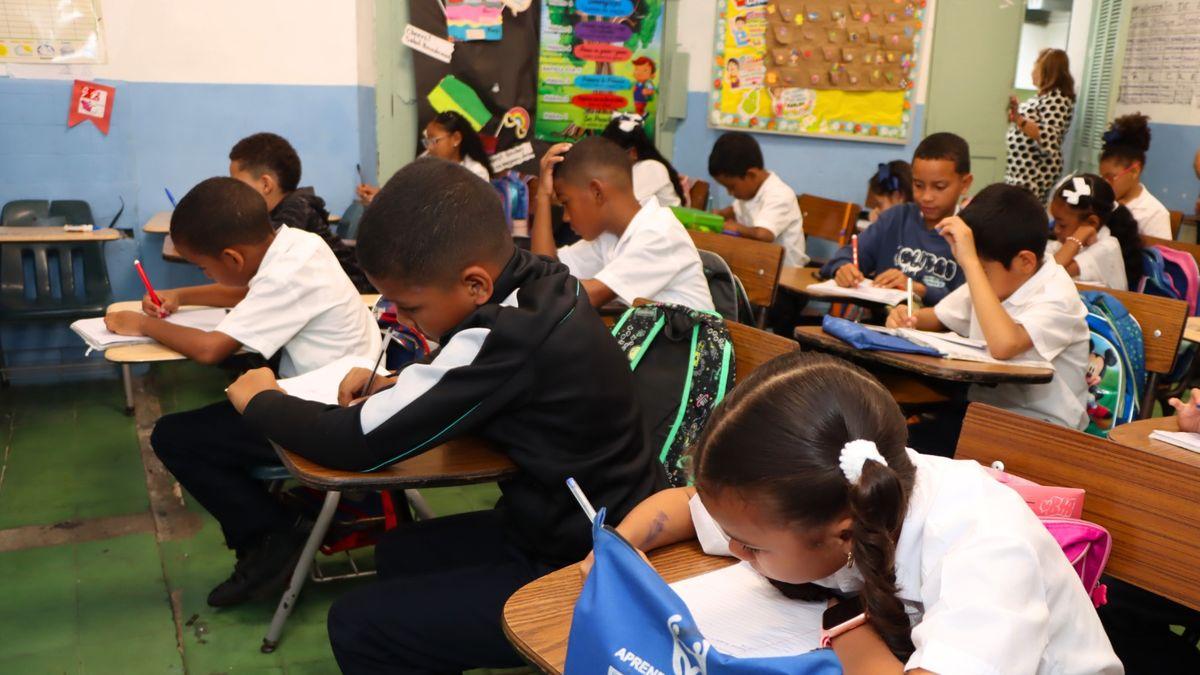
The reasons for this increase in educational exclusion are multiple, but the economic factor is decisiveIn many countries, the implementation of austerity policies has brought about significant consequences. cuts in education budgetsThis lack of investment directly translates into more children out of school, fewer available resources, and lower quality educational services.
The international community recognizes the need to increase investment in order to offer inclusive, quality education. This was agreed upon by representatives of different governments who met recently in Seville, where they committed to allocating at least 4% to 6% of GDP, or 15% to 20% of total public spending, to the education sector. However, many analysts consider the implementation of these commitments to be an unfinished business.

Effects of the crisis: inequality and disadvantage for millions
The consequences of this situation are profound. In many regions, as various social organizations warn, The educational crisis hits the most vulnerable social groups hardest.Class interruptions, whether for health reasons, teacher strikes, or institutional instability, end up piling up, leaving a worrying number of lost days and unrecovered content.
Focusing on inequality is key to understanding the seriousness of the problem. Recent data show that while private schools manage to recover most of their academic content after periods of crisis, Public schools only manage to reach a small part, which contributes to a growing gap between students based on their background and socioeconomic status. The lack of official, disaggregated, and verifiable information exacerbates the impossibility of effectively addressing these shortcomings.
Proposed solutions and future challenges
Social and educational organizations insist on the need for a profound transformation of the educational systemThey propose as a roadmap actions such as prioritizing essential content, expanding the school calendar where necessary, and continuous assessment aimed at supporting learning rather than excluding.
Furthermore, the importance of ensuring student nutrition, psychosocial support, and the creation of safe school environments is emphasized. To achieve this, it is essential that institutional decision-making and public debate revolve around the right to learn of minors and not only in the administrative management of the system.
It is essential to recognize that the education crisis, far from being resolved, demands a coordinated and sustained response from governments and all of civil societyWithout these joint efforts, the negative effects on millions of lives and on the collective future will be difficult to reverse.
