- Tandem OLED architecture stacks two or more light-emitting layers to multiply brightness and reduce panel wear.
- This technology solves the problem of excessive energy consumption and mitigates the risk of burn-in compared to traditional OLED.
- It has expanded from the automotive sector to consumer devices such as the iPad Pro and high-end gaming monitors.
- It surpasses WOLED and QD-OLED panels in brightness and durability, although some users report uniformity problems in dark scenes.
If you're involved in the tech world, you've probably heard about OLED a million times. It's the technology that has blown us away with its pure blacks and vibrant colors, displacing the old LCD and TFT displays. But now it's gone a step further, a kind of technical "high" called Tandem OLED , which promises to fix the weaknesses of traditional organic screens.
Basically, we're witnessing a space race between giants like LG and Samsung. While some were betting on WOLED with microlenses or QD-OLED with quantum dots, LG has brought out the big guns with this stacked-layer system. It's not just marketing; it's a change in panel architecture that 's reaching tablets, cars, and monitors for demanding gamers who don't want to compromise.

What on earth is Tandem OLED and how does it work?

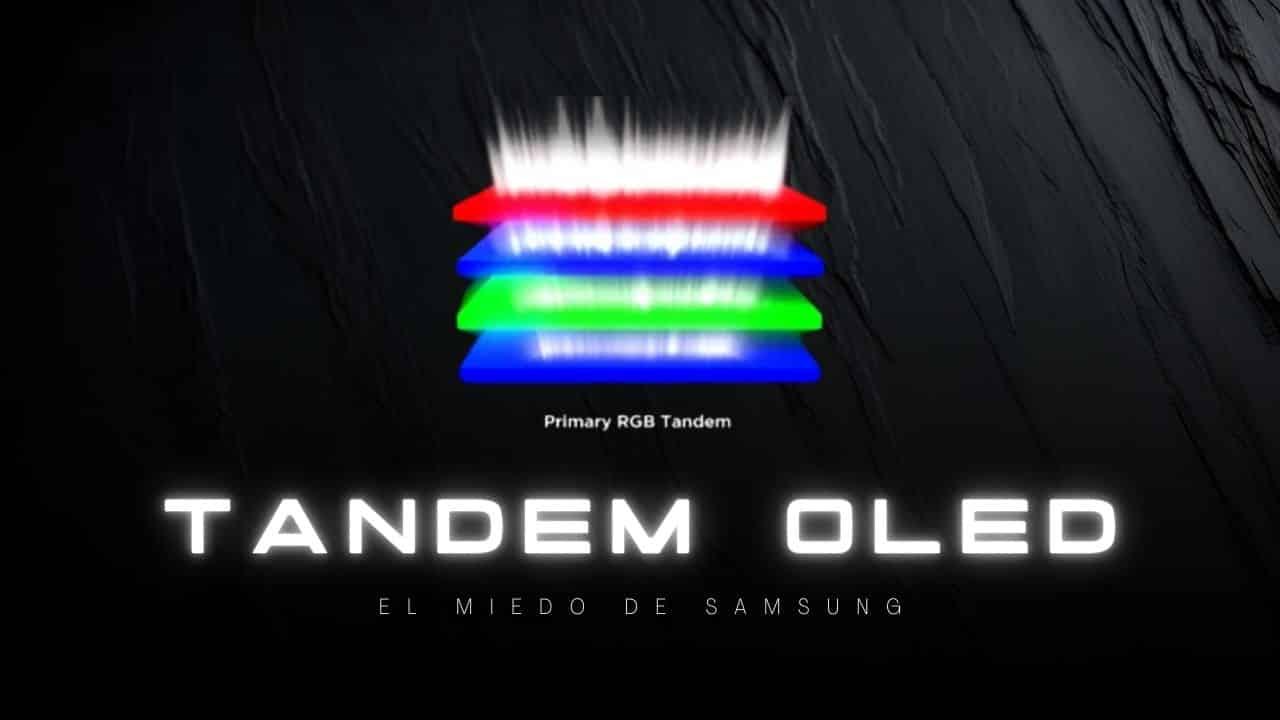
To put it simply, think of a regular OLED as a single layer of light-emitting diodes. A Tandem OLED, as the name suggests, involves placing two or more light-emitting layers on top of each other. Instead of forcing a single layer to be brighter (which would drain the battery faster and cause the panel to overheat), the workload is distributed across multiple layers.
Technically, this involves having two emitting units with different light spectra, connected by an electrical charge generator and sharing electrodes. This structure allows the panel to be much brighter and more efficient , as it doesn't need to operate at extreme power levels to achieve very high brightness, which considerably extends the device's lifespan.
Real benefits: Shine, durability and goodbye to ABL
One of the biggest headaches with OLEDs has been the Automatic Brightness Limiter (ABL), which lowered the brightness when there was a lot of white on the screen. With Tandem OLED, especially in models like the LG TB1000, it's possible to maintain extremely high brightness across the entire surface, emulating the power of Mini LEDs while maintaining the infinite contrast of OLED.
- Stratospheric luminosity: Some panels already reach peaks of 2000 nits and there are even versions that reach 4000 nits, making the screens visible even in very bright rooms.
- Goodbye to the fear of burn-in: By distributing the electrical charge among several layers, the voltage in each pixel decreasesdrastically reducing the risk of ghost images being left on the panel.
- Energy efficiency: Less power needed for more light means that a tablet or mobile phone battery lasts longer, which is essential in portable devices.
From your car to your desk: Featured devices
Although Apple has recently popularized it with the iPad Pro and its Ultra Retina XDR display, Tandem OLED has been used in the automotive sector for years. LG was already implementing flexible P-OLED displays in digital dashboards where durability is critical due to constant sun exposure.
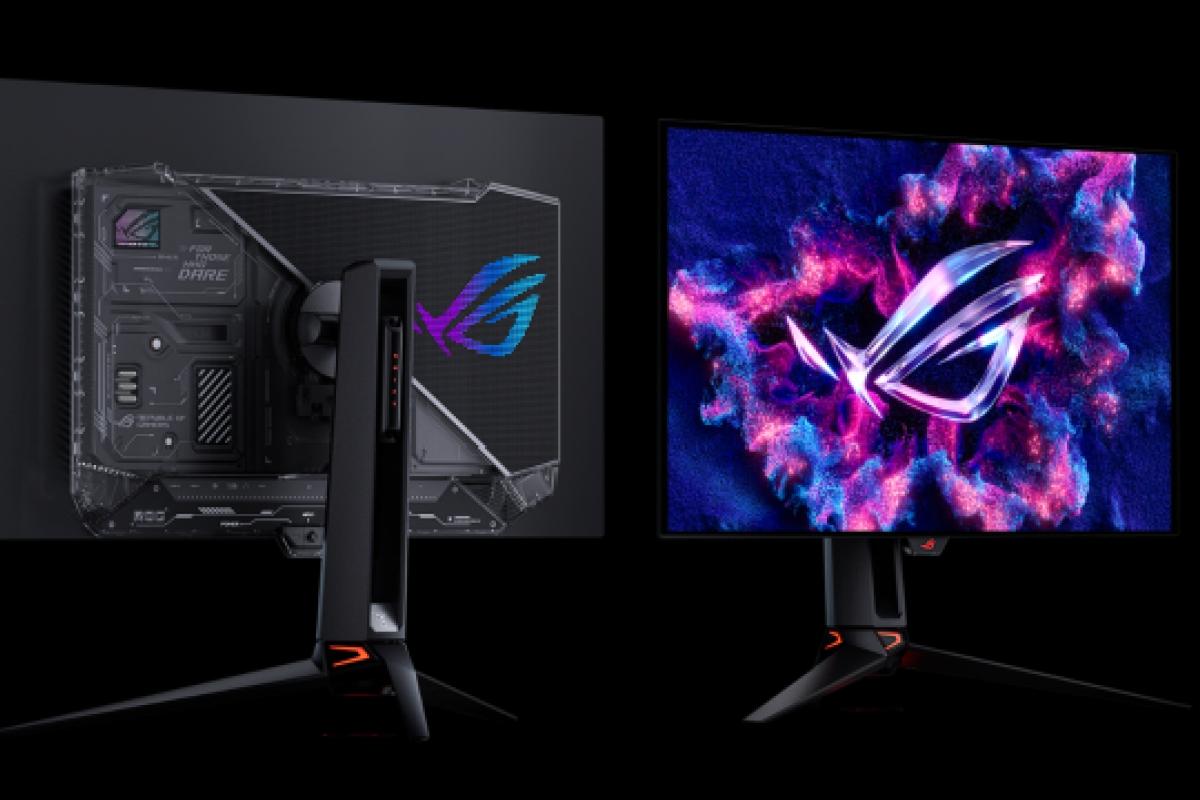
In the gaming arena, ASUS has launched monitors like the ROG Swift PG32UCWM and PG27UCWM. These models are phenomenal because they use Tandem RGB OLED displays without white subpixels , resulting in much sharper text and more vibrant colors. They also feature dual-mode functionality, allowing you to switch from 4K at 240Hz to Full HD at 480Hz for competitive gamers, with a near-instantaneous response time of 0,03ms.
The Battle: Tandem OLED vs QD-OLED
This is where things get interesting. Samsung dominates with QD-OLED, which uses quantum dots for stunning colors. However, LG's Tandem OLED is here to try and surpass it in raw brightness and refresh rate . While QD-OLEDs are incredible in color, Tandem OLEDs promise greater durability under heavy use.
However, it's not all good news. Some users have reported that Tandem monitors can exhibit gray banding (visible vertical bands on dark backgrounds), something that seems to be better controlled on QD-OLED displays. For someone who plays a lot of horror games with dark environments, this difference in uniformity could be a deal-breaker, although for other types of content the result is simply spectacular.
Technical specifications and future
The new panels are not only brighter, but they also come loaded with extras. We see the implementation of GanFET technology for better heat dissipation and reduced energy consumption, as well as proximity sensors that turn off the panel if no one is in front of it to prevent wear and tear. In terms of color, we're already seeing 99% DCI-P3 color gamut coverage and DisplayHDR True Black certifications.
Availability will continue to grow. Although manufacturing these displays is more expensive than single-layer displays, LG Display is already on its third and fourth generations. We will likely see this technology become more affordable and expand into mid-range devices, leaving behind the era of panels that suffered from glare in brightly lit rooms.
This technological evolution marks a turning point by resolving the dilemma between brightness and lifespan. By stacking emissive layers, we've gone from delicate screens to panels capable of withstanding 2000 nits or more without immediate risk of degradation, integrating into everything from the iPad Pro to 540Hz gaming monitors. Despite some minor issues with gray uniformity, the ability to eliminate ABL (Average Backlight Blur) and improve text sharpness positions Tandem OLED as the dominant standard for those seeking the highest visual quality without compromise.