- Analysis of the legal implications in Spain through criminal, civil and data protection channels.
- Detailed procedures for requesting the removal of manipulated content on major social networks.
- Preventive measures and detection techniques to avoid fraud based on generative artificial intelligence.
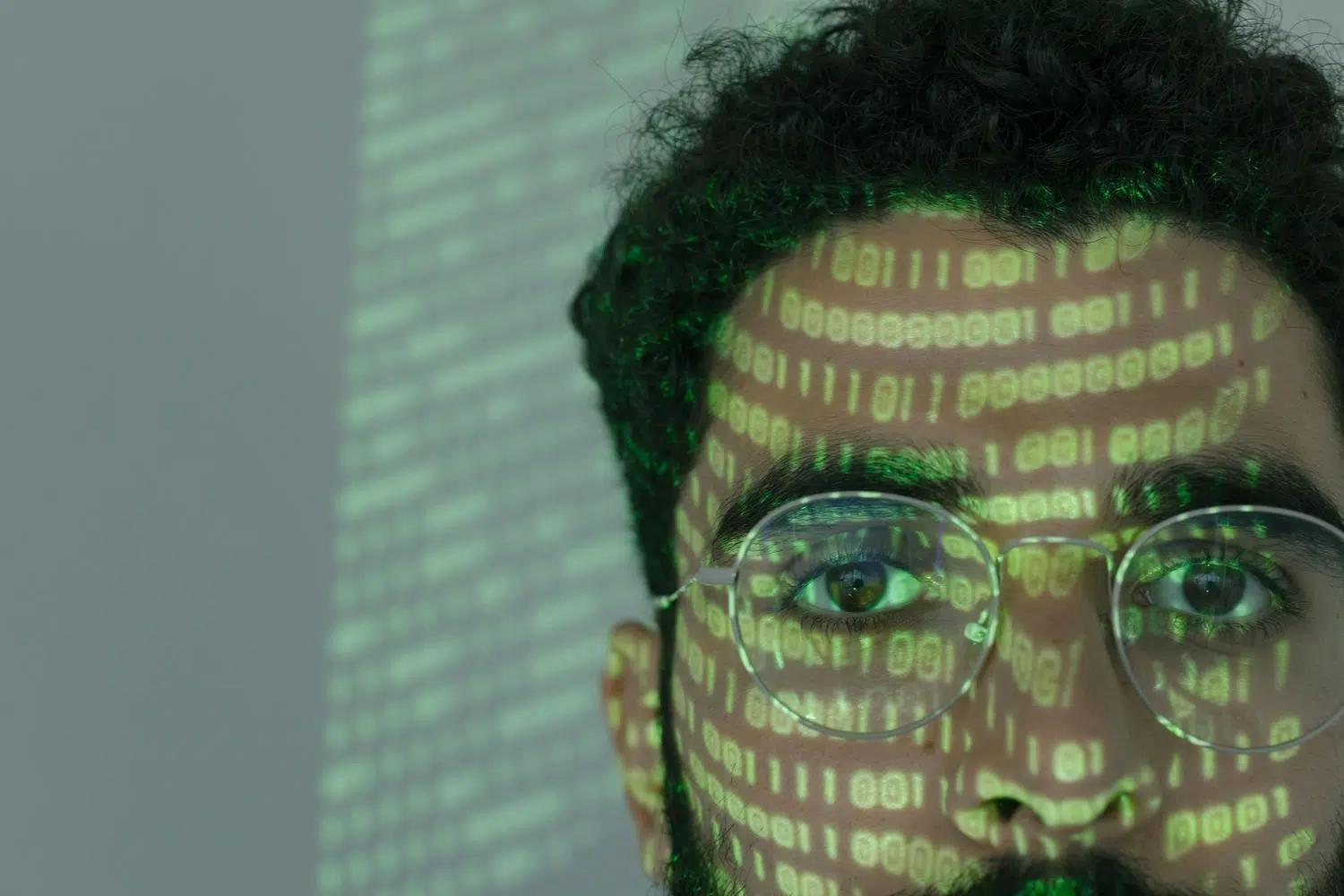
You've probably experienced watching a video on social media and wondering if it's real or a fake. With the advancement of artificial intelligence, so-called deepfakes have emerged—content that so convincingly impersonates someone's image or voice that anyone could fall for it. What began as a technological curiosity has become a dangerous tool for scams, disinformation campaigns, or even worse, for invading people's privacy.
When you find yourself in a situation like this, the feeling is one of utter helplessness, but it's crucial not to panic. Fortunately, in Spain we have a legal and technical arsenal to combat these abuses. Whether it's a cruel joke that's gotten out of hand or a premeditated attack to ruin someone's reputation, there are clear steps to stop its spread and punish those responsible.

What exactly is a deepfake and how does it affect us?

To get down to brass tacks, a deepfake isn't your typical cheap fake from ten years ago; it's a creation based on neural networks and deep learning . Basically, an AI analyzes thousands of data points from a face or voice and then creates a synthetic version that mimics gestures and tones almost perfectly. To achieve this, they usually use systems called GANs (Generative Adversarial Networks), where two algorithms compete against each other until the result is indistinguishable from reality.
This opens the door to very serious dangers. On the one hand, we have synthetic sexualization , which primarily affects women through the creation of fake intimate images to humiliate or harass them. On the other, there's the financial sector, where the voice of a boss or family member is cloned to carry out multi-million dollar scams through manipulated video calls. We also can't forget political disinformation, where leaders are portrayed as someone they're not or quoted as saying things they never said in order to manipulate public opinion.

Immediate steps to take if you are a victim of fake content
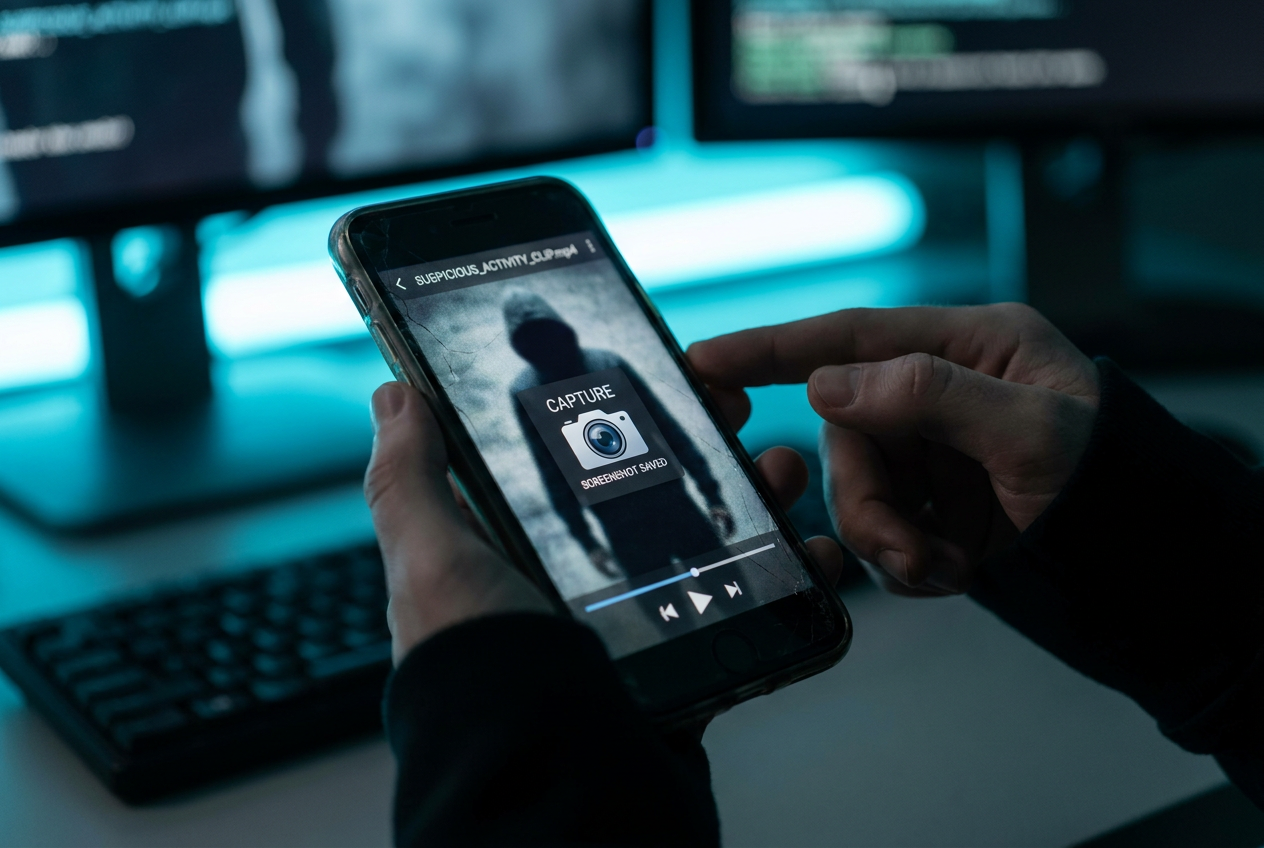
If you've just discovered a fake video of yourself circulating online, the first thing to do is not panic and, above all, don't forward the content to complain, as this will only make it go viral. The smartest approach is to act methodically and quickly by following these steps:
- Gather all the evidenceBefore the author removes the trace or the video disappears, take screenshots showing the full URL, the profile that uploaded it, and the date. If possible, record your screen or download the original file.
- Don't improvise communicationDo not attempt to negotiate with the extortionist if money is involved. It is best to seek legal advice so that the withdrawal strategy be effective.
- Document the impactNote who has viewed the video and if you have received comments or threats, as this will be used to calculate the compensation for moral damages in a future trial.
Legal avenues to defend yourself in Spain

Although there is no article in the Penal Code that specifically says "deepfake crime", Spanish law is quite robust and allows these acts to be classified under various legal categories depending on the severity of the case, thoroughly analyzing cyberattacks in Spain and their real impact.
The criminal route
If the content is serious, you can contact the National Police or the Civil Guard. Depending on the case, it could be a crime against privacy (especially if there is sexual content), identity theft if someone is impersonating you to deceive others, or even slander and libel if the video damages your reputation. In cases involving minors, the penalties are much more severe, as it is considered simulated but realistic child pornography .
The civil route and data protection
If your primary goal is to have the content removed and receive financial compensation, Organic Law 1/1982 on the right to honor and one's own image is your best ally. You can demand the immediate cessation of the intrusion and compensation. Simultaneously, you can contact the Spanish Data Protection Agency (AEPD). Since your face and voice are biometric data, any use without your consent constitutes unlawful data processing , allowing the AEPD to sanction the platform or the author.
How to delete content from social media
The app's internal reporting is the first step, but sometimes it falls short. Each platform has its own process, but here's how it usually works:
- YouTube and GoogleYou can report them for privacy violations or manipulated content. If they don't respond, there are external Google forms to escalate the complaint.
- Meta (Instagram and Facebook)They have expedited protocols for non-consensual sexual content. It is vital to mention that this is about image-based abuse so that they act quickly, taking advantage of the fact that Meta activates scam alerts on their platforms.
- TikTok and XThis should be reported as a privacy violation. In X, response times are more erratic, so using the rights forms is essential.
- TelegramThis is the most difficult area because it's more closed off. In-app reporting is slow here, so it's often necessary to [refer to a third party]. intervene judicially or via AEPD.
Something very important: even if the video is deleted, it may still appear in Google search results. That's why the right to be forgotten exists ; it allows you to request the deindexing of those links so that no one can find you associated with that false content.

Tips to avoid falling into the trap and prevent attacks
To avoid being fooled, we need to develop a critical mind . If you see a suspicious video, pay attention to the details: Is the person blinking naturally? Are there strange shadows on their face, or does the audio not perfectly match the lip movements? Sometimes, taking a screenshot and uploading it to Google Images helps verify the original source.
As a preventative measure, especially for businesses, it's advisable to use two-factor authentication (2FA) on all accounts and limit the amount of public videos and audio uploaded, as this is the material attackers use to train their AI. It's also a good idea to establish a secret password with family or colleagues; that way, if you receive an urgent call asking for money with a voice that sounds like your child's, you can ask them for the password to determine if it's a scam, reinforcing the importance of passwords in the age of AI.
Ultimately, combating deepfakes requires a combination of technical agility, knowledge of our legal rights, and a healthy dose of digital skepticism. From reporting content on social media and requesting assistance from the Spanish Data Protection Agency (AEPD), to filing a formal complaint with law enforcement, the key is to not remain passive and to act in a coordinated manner to clear our digital footprint and hold accountable those who use technology to cause harm.
