- An ecosystem is the basic unit of ecology where the biocenosis (living beings) and the biotope (physical environment) interact through the flow of matter and energy.
- They are mainly classified as terrestrial, aquatic, mixed and artificial, ranging from intestinal microbes to the entire biosphere.
- Biodiversity and ecosystem services are fundamental to human survival, providing resources, climate regulation, and life support.
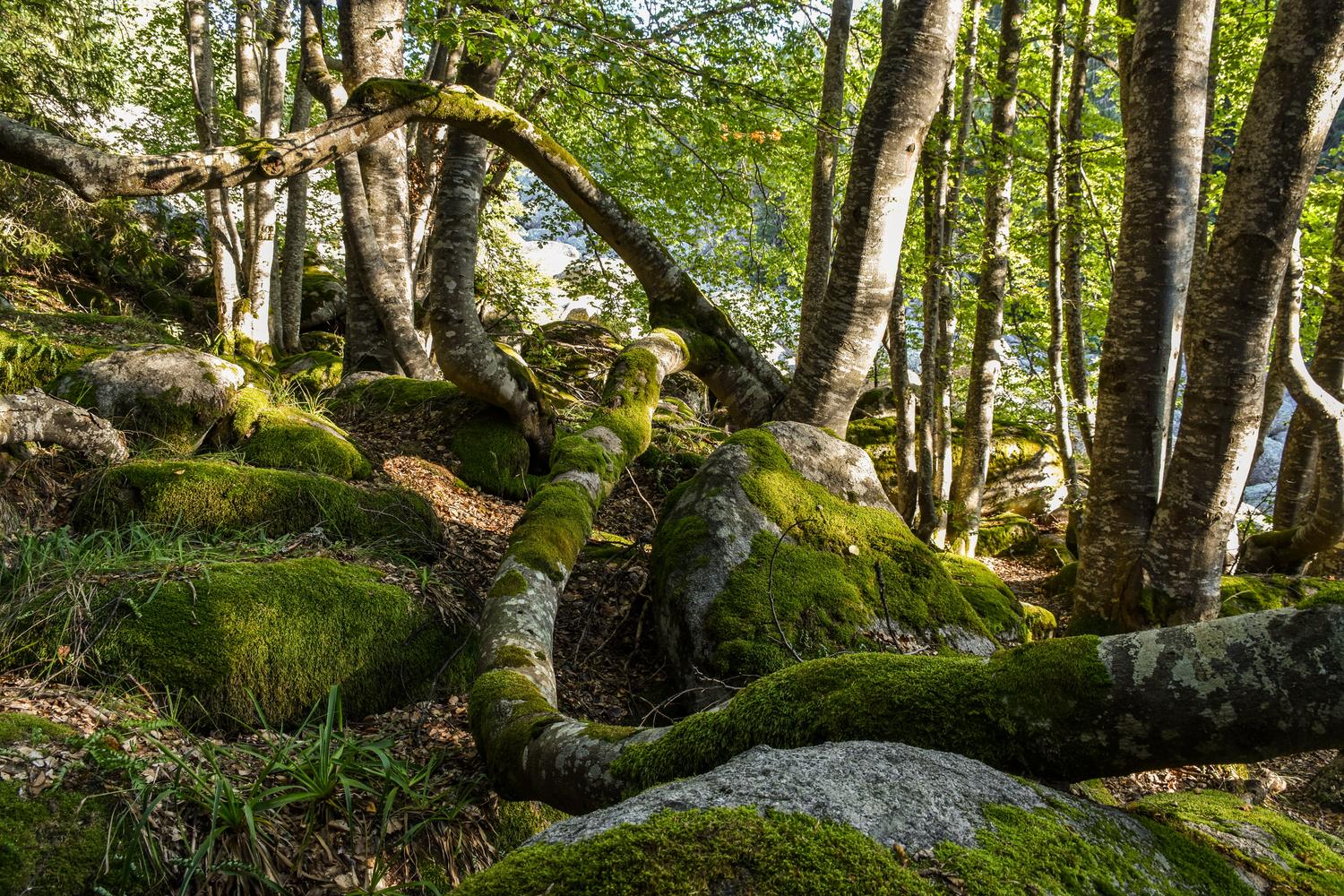
When we talk about nature, we often think of isolated landscapes, but the reality is that the planet is a fascinating web of life where absolutely everything is connected. An ecosystem is not just a place with trees or fish, but a dynamic and complex network where every organism, however insignificant it may seem, plays a fundamental role in preventing the system from collapsing.
Understanding this concept is vital today, as it allows us to grasp that any alteration in a small link can trigger a domino effect throughout the entire environment. From a puddle in the garden to the vastness of the Pacific Ocean, ecosystems govern life and ensure that resources are constantly recycled, making existence possible.
The origin and essence of the concept
The term was coined in the 30s by the botanist Roy Clapham and later refined by Sir Arthur Tansley. Initially, it was seen as a tool for studying units at various scales, but over time it has evolved. For Tansley, ecosystems were a kind of mental framework that allowed scientists to analyze the interaction between organisms and physical factors without separating them.
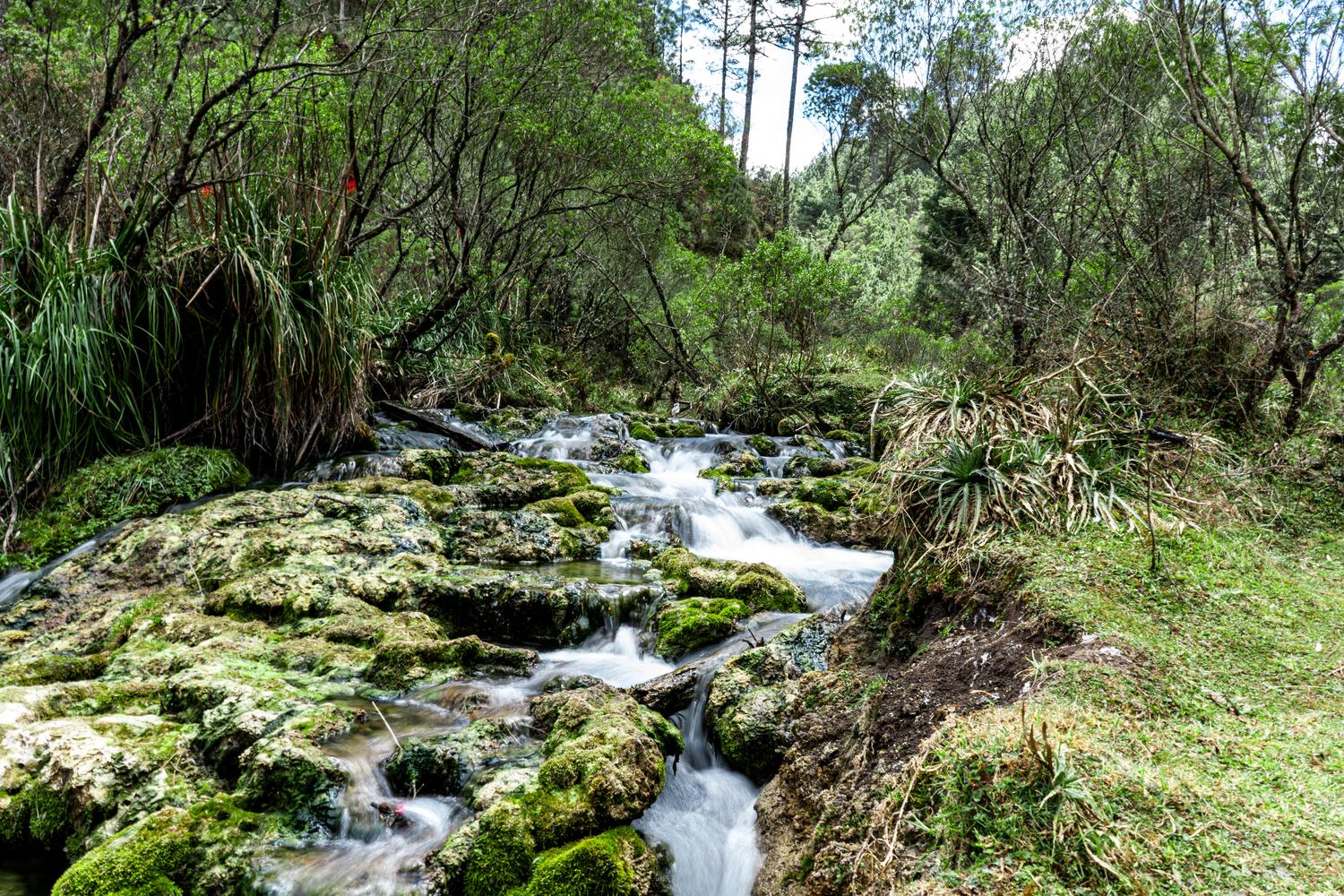
In simple terms, an ecosystem is the sum of the biocenosis and the biotope . The biocenosis encompasses all living things (plants, animals, bacteria, fungi), while the biotope refers to the non-living components: sunlight, temperature, soil composition, water, and air. When these two worlds interact, processes such as symbiosis, competition, and predation occur, generating a constant flow of matter and energy.
The structure and biological diversity
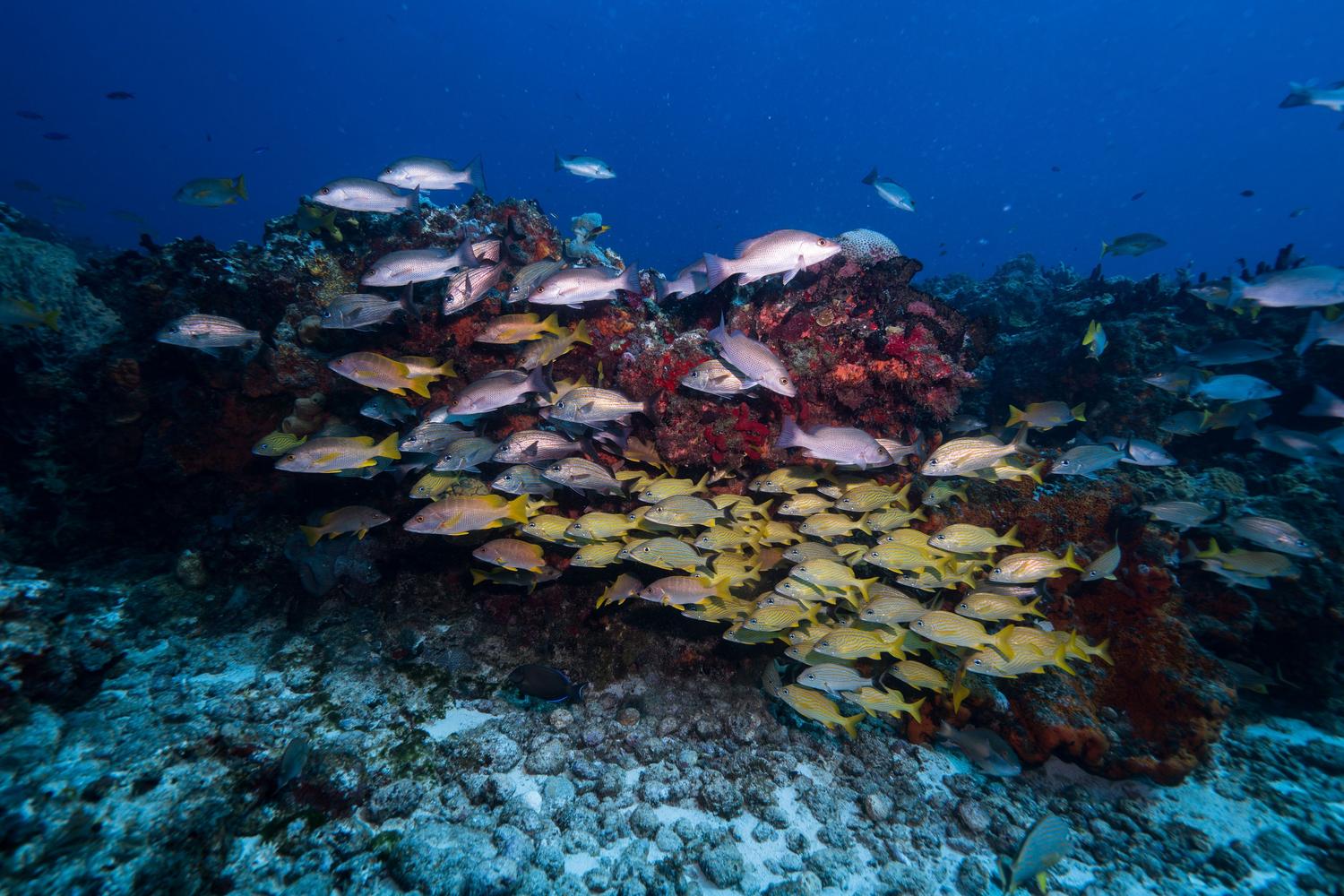
Not all ecosystems are the same, nor do they have the same boundaries. In fact, there are ecotones , which are transition zones where two ecosystems meet and mix, creating areas with very rich biodiversity. Furthermore, the environment can exhibit stratification, either vertical (like the different levels of a forest, from the ground to the treetops) or horizontal (like the strips of vegetation along a river).
To measure how varied an environment is, ecologist Robert Whittaker proposed three levels of diversity. First, there is alpha diversity, which counts the species within a single ecosystem. Then there is beta diversity, which compares the change in species between different ecosystems, and finally gamma diversity, which analyzes the total richness of an entire geographic region.
Types of ecosystems: an infinite range
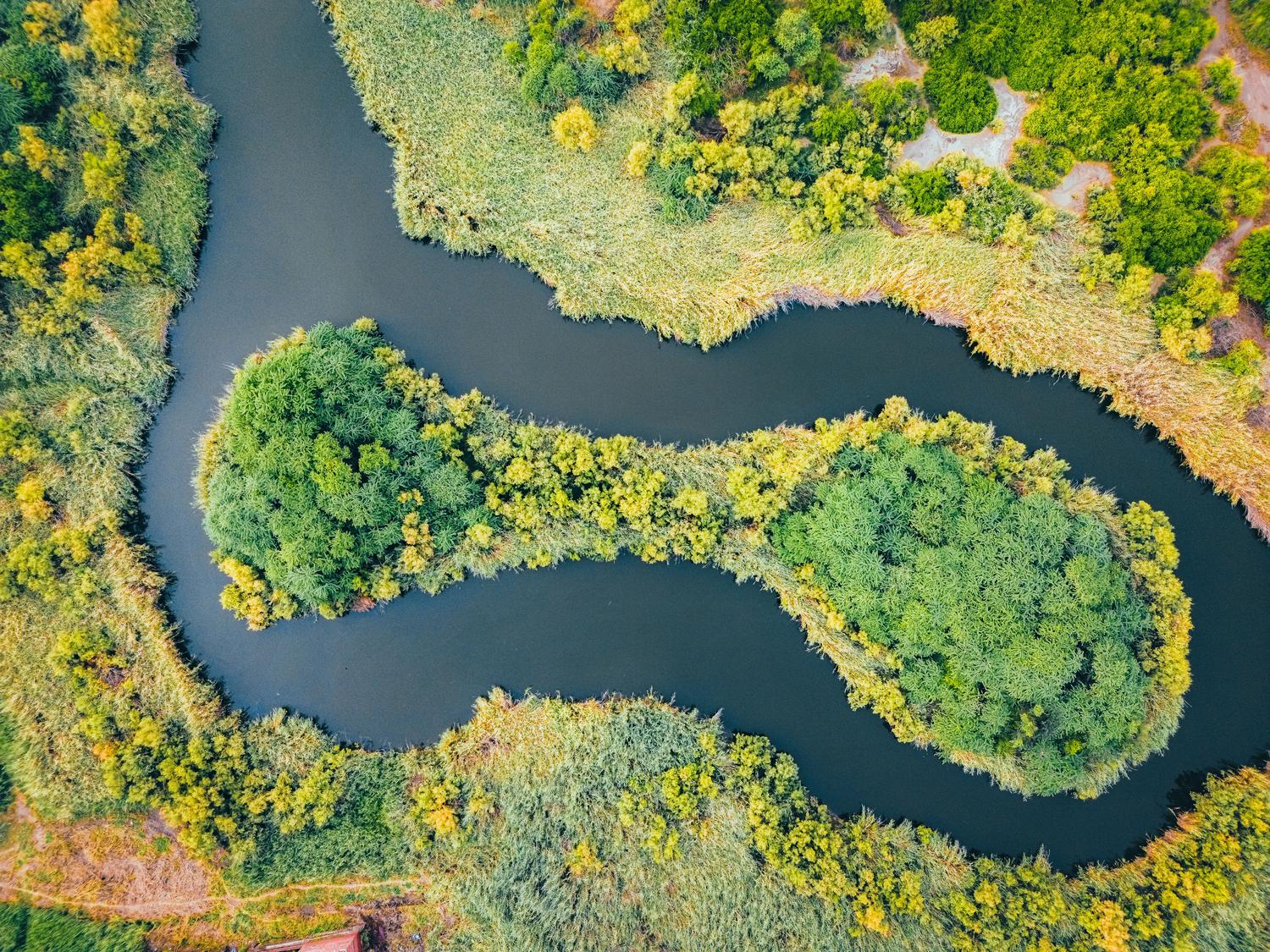
To avoid getting overwhelmed by so much variety, scientists classify ecosystems according to the environment in which they develop:
- Terrestrial: These are the environments where life occurs on the Earth's surface. They are highly dependent on climate and humidity. This category includes rainforests (with an incredibly high biological density), forests (ranging from the conifers of the taiga to temperate forests), scrublands, grasslands, cold tundra, and deserts, where life has adapted to extreme dryness.
- Aquatic: They cover most of the planet. They are divided into marine (saltwater) ecosystems, which include coral reefs and abyssal zones where no light penetrates, and freshwater ecosystems (rivers, lakes, and springs). It is important to distinguish between the lotic environments, where water flowsand the lentic areas, where the water is stagnant.
- Mixed or transitional: These are hybrid ecosystems, such as mangroves, marshes, and wetlands. They are critical areas because They filter the water and protect the coastsfunctioning as natural breeding grounds for thousands of species.
- Artificial: These are those created by us, humans. Cities (urban ecosystems) and farmland (agroecosystems) fall into this category. Although they are anthropogenic, they still have own biological dynamicsalthough they depend on our intervention to survive.
- Microbial: Sometimes we forget that invisible ecosystems exist. The microbiota in our gut or bacterial biofilms on a surface are examples. interdependent communities that function exactly like a jungle, but on a microscopic scale.
How balance is maintained: Chains and energy
The driving force of any ecosystem is energy, which arrives primarily through solar radiation. This energy flows through food chains , which are essentially nature's menu. It all begins with producers (plants and algae), which make their own food. Then come the consumers, which can be primary (herbivores), secondary, or tertiary (carnivores). At the end of the cycle are the decomposers, such as fungi and bacteria , which complete the cycle by transforming dead matter into nutrients for the soil.
The vital importance and current threats
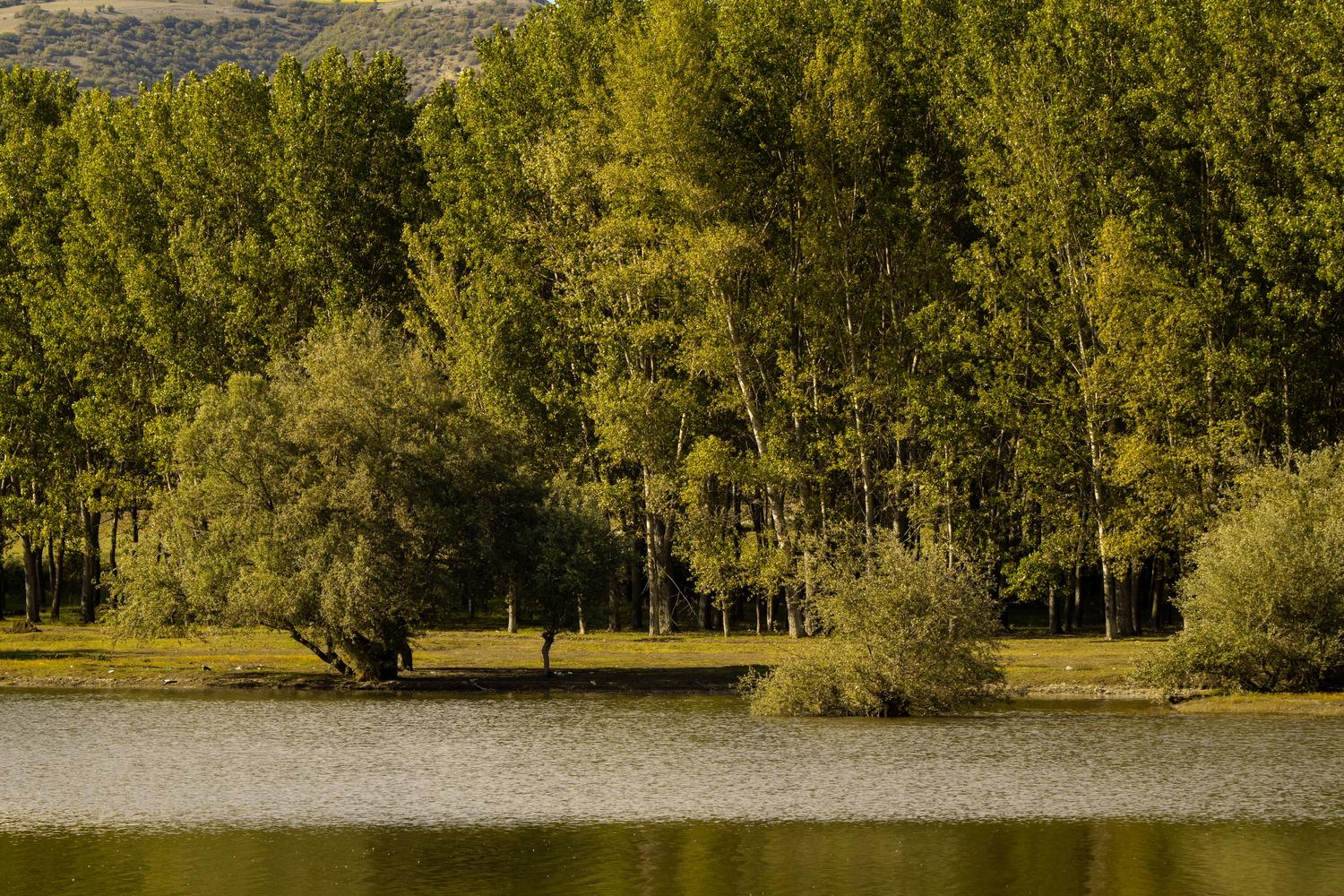
Ecosystems are not only beautiful, but they also provide us with free services called ecosystem services . These include provisioning (food, water, timber), regulating (climate control, pollination), supporting (soil formation), and cultural services (tourism, mental health). A system with high biodiversity is much more resilient , meaning it can recover better from a fire or a plague.
Unfortunately, we are jeopardizing this balance. Climate change, plastic pollution, deforestation, and the introduction of invasive alien species are causing the collapse of many environments. When an ecosystem dies, we not only lose animals, but we also lose the ability to purify the air and water we need to live.
The health of our planet depends directly on the stability of these biological networks. From the complexity of rainforests to the invisible balance of bacteria, each system fulfills a supporting function that sustains the economy and human life. Protecting natural areas and transitioning to sustainable models are the only way to ensure that these natural mechanisms continue to function for future generations.