- The Chicamocha Canyon is a natural, cultural and productive landmark in Santander, Colombia.
- Technological advancements are accelerating land formalization, benefiting rural families in the area.
- Jordan, the smallest town in the country, reflects rural life and the historical legacy of the canyon.
- Artistic and tourism projects seek to highlight the heritage and human value of the territory.
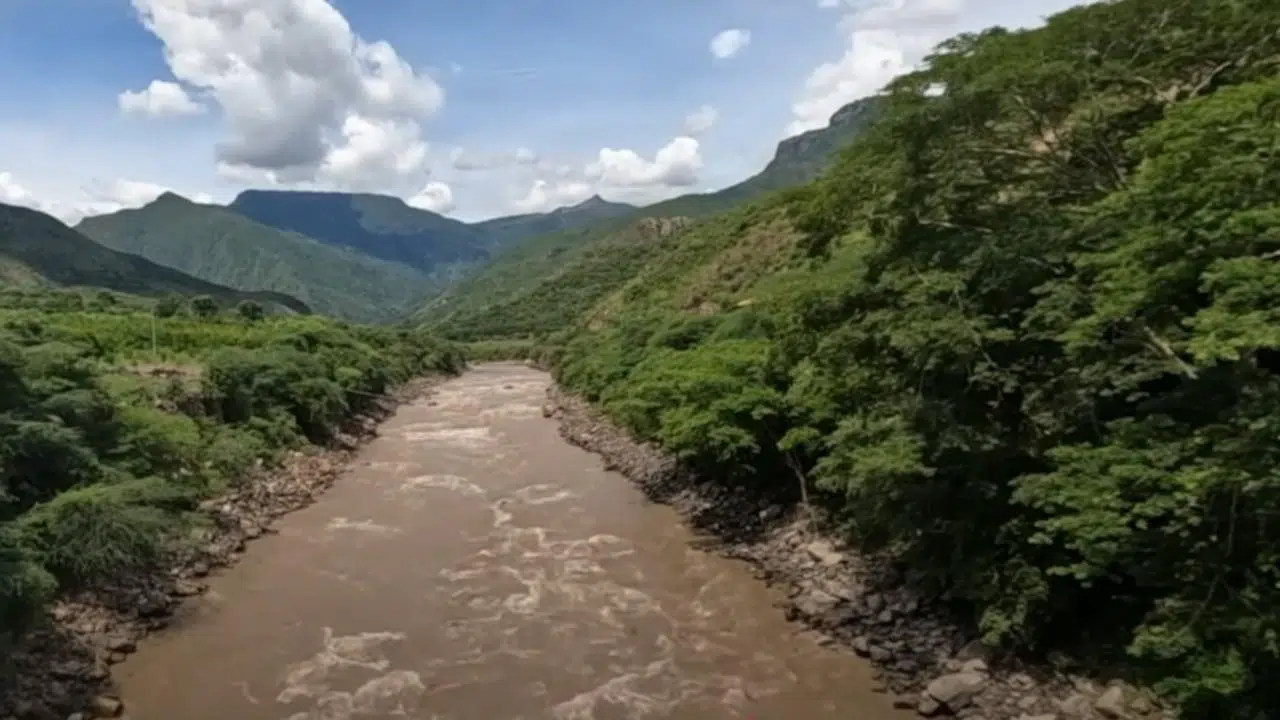
Located in the department of Santander, the Chicamocha Canyon stands as one of Colombia's most outstanding natural and cultural landmarks. This impressive geographical feature, with its vast expanse and rugged landscapes, not only attracts tourists and nature lovers but also forms the heart of several rural communities whose daily lives are shaped by the dynamics of the territory.
Since ancient times, the rock formations, vegetation, and the Chicamocha River have shaped the local rhythm of life. Today, the canyon continues to be a landmark for both adventure seekers and those interested in understanding the region's social and productive reality. The surrounding area has witnessed stories of resilience, hard work, and evolution, reflecting the close connection between its inhabitants and their natural environment.
Technological innovation for rural development in Umpala
In the foothills of the Chicamocha Canyon , the village of Umpala, located in the municipality of Piedecuesta, has recently become the focus of a modernization process. The National Land Agency has implemented high-tech drone overflights, completing the topographic survey of 1.800 hectares in just six days. This work, which previously could take more than a month, allows for the precise identification of property boundaries and accelerates progress toward the formalization of rural land ownership.
Thanks to this technological deployment , farming families who have worked the land for years are now closer to obtaining legal land titles. This process involves not only taking aerial photographs, but also organizing on-site visits, gathering agronomic information, and verifying the technical, legal, and social aspects of each property. Authorities and technicians have emphasized that the technology enhances human labor and opens new development opportunities in rural Colombia.
The Umpala region is characterized by its diverse crops, including melons, citrus fruits, mamoncillo, papaya, cassava, plantains, and tobacco . However, the lack of land titles has been a barrier to accessing credit, government support, and productive projects. Streamlining these processes is expected to significantly boost the region's sustainable development and strengthen the local economy.
Jordan, a small town with a big history
Nestled in the heart of the Chicamocha Canyon lies the municipality of Jordán , known for being the smallest in Colombia in both area and population. This place, located on the south bank of the river and accessible by road from Villanueva or on foot from Los Santos, surprises visitors with the tranquility of its streets and the peaceful lives of its inhabitants. The number of residents fluctuates between 25 and 54, and it is known as the "ghost town" due to its work-centered routine and sparse population during the day.
The atmosphere in Jordán is quiet and serene , marked by high temperatures and an economy based primarily on the cultivation of fruit, beans, and tobacco. It lacks shops, warehouses, and large infrastructure; it only has the simple Posada del Caminante (Traveler's Inn) for those wishing to spend the night, a modest health post staffed by two nurses and visited weekly by a doctor, in addition to a few cobblestone streets and a small central park.
Among its most emblematic structures is the Lengerke Bridge, a historic 1864 bridge connecting Jordán with Los Santos, which was rehabilitated in 2018. Considered the country's first tollbooth, it has witnessed significant events, such as the passage of independence troops, and preserves the region's memory. The recently renovated local cemetery holds stories of yesteryear, including those of former residents and events linked to the era of Bolívar.
Culture, art and proposals to appreciate the canyon
The Chicamocha Canyon is also a source of inspiration for artists and cultural promoters. Rafael Zambrano, an artist from Santander, has presented “ChicamochaE,” an exhibition that fuses pneumatic techniques, personal memory, and contemplation of the landscape. His works, on display in Bucaramanga, seek to capture the sensory and spiritual essence of the canyon, using industrial materials and experiences accumulated over decades of hiking and exploring the territory.
Zambrano views the canyon as a living, spiritual, and ancestral being , endowed with energy, history, and its own voice. His approach goes beyond the purely pictorial, proposing a profound connection with the land and its elements. The exhibition invites visitors to pause, observe with their hearts, and rediscover the symbolic value of the region through art and personal reflection.
Initiatives like this one complement more ambitious proposals. Sculptor Jaime Guevara has announced his intention to promote the construction of a large-scale monument in the canyon area , featuring emblematic figures from Santander's history. The idea aims to enhance the area's tourist appeal and recognize the legacy of indigenous communities, historical events, and individuals who have left their mark on the region. These projects highlight the local commitment to integrating art, tourism, and memory as drivers of development and social cohesion.
The Chicamocha Canyon continues to consolidate itself as a symbol of Santander's identity, with imposing landscapes, small towns and new ideas that reflect its constant transformation and projection over time.