- Apple plans to unveil its Home Hub on October 13, according to Bloomberg, although there is no official confirmation.
- The device would have a 6-inch square screen, a design inspired by the iMac G4, and desktop or wall mounting options.
- Siri AI, facial and voice recognition would allow personalized profiles for each member of the household.
- Apple is also reportedly preparing a 9-inch premium version with a robotic arm and updates to the HomePod mini and Apple TV.
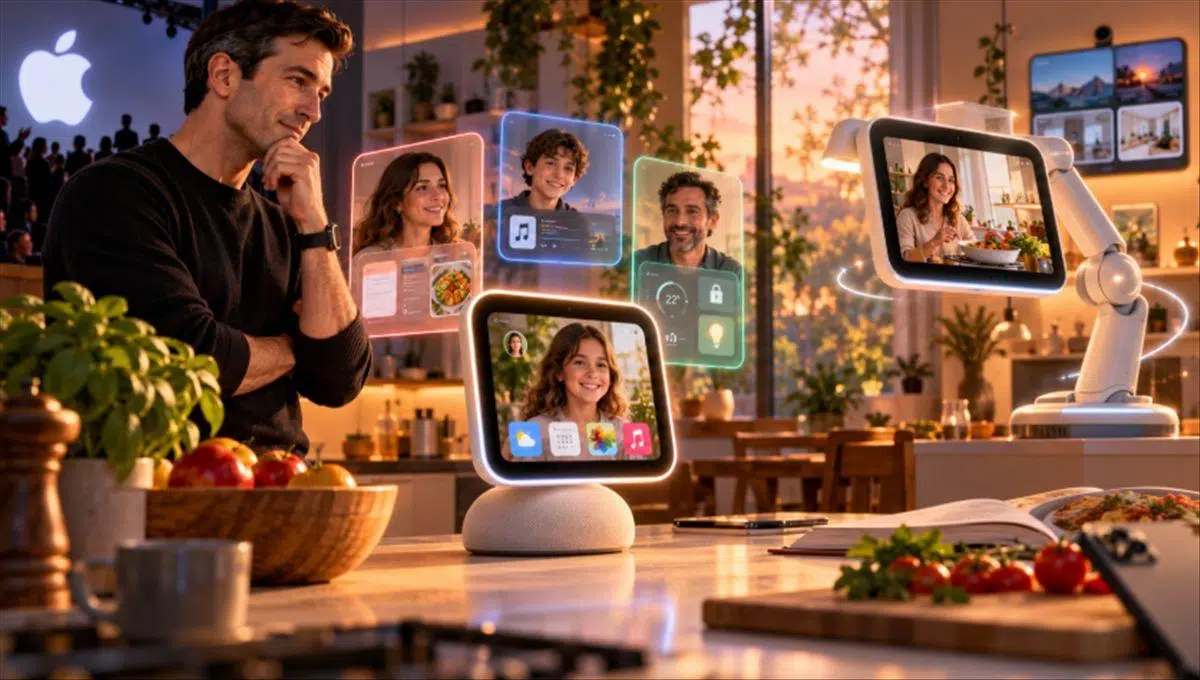
Apple has a new smart home device in the works. According to leaks from Bloomberg's Mark Gurman, the company will unveil its highly anticipated Home Hub on October 13. It's not just a simple speaker: it's a display designed to be placed in the kitchen, on a countertop, or even mounted on the wall. The idea is for it to function as a home control center and an extension of the Apple ecosystem.
The move comes at a delicate yet strategic moment. Apple hasn't launched a truly new product category in some time, and the smart home market is dominated by Amazon, with its Echo devices, and Google, with Nest. The Californian company wants to compete with its own formula: device integration, privacy, and a revamped Siri. Even so, Apple hasn't officially confirmed either the date or the product name , so everything that's known comes from previous sources and reports.

What to expect from the new Apple Home Hub
The device, known internally as J490, is expected to have a 6-inch square screen with rounded corners. Rumors suggest two versions: a desktop model with a round, perforated metal base for speakers and microphones, and a wall-mountable version. The design is reminiscent of the iMac G4 with its articulated arm and floating display, though adapted to a much smaller size.
The most striking feature would be facial and voice recognition. As someone approaches, the device could identify them and display their personalized content: calendar, reminders, notes, or preferences. This profile-based personalization is one of the core elements of the proposal , along with a visitor mode that would prevent sensitive information from being shown to anyone who isn't recognized.
Functionally, the Home Hub would control thermostats, locks, and other HomeKit-compatible devices . It would also allow users to make FaceTime video calls, use an intercom between rooms, play music, view iCloud photos, and access recipes and cooking videos. All of this would revolve around Siri AI, the updated version of the assistant that Apple has been rolling out across its systems.
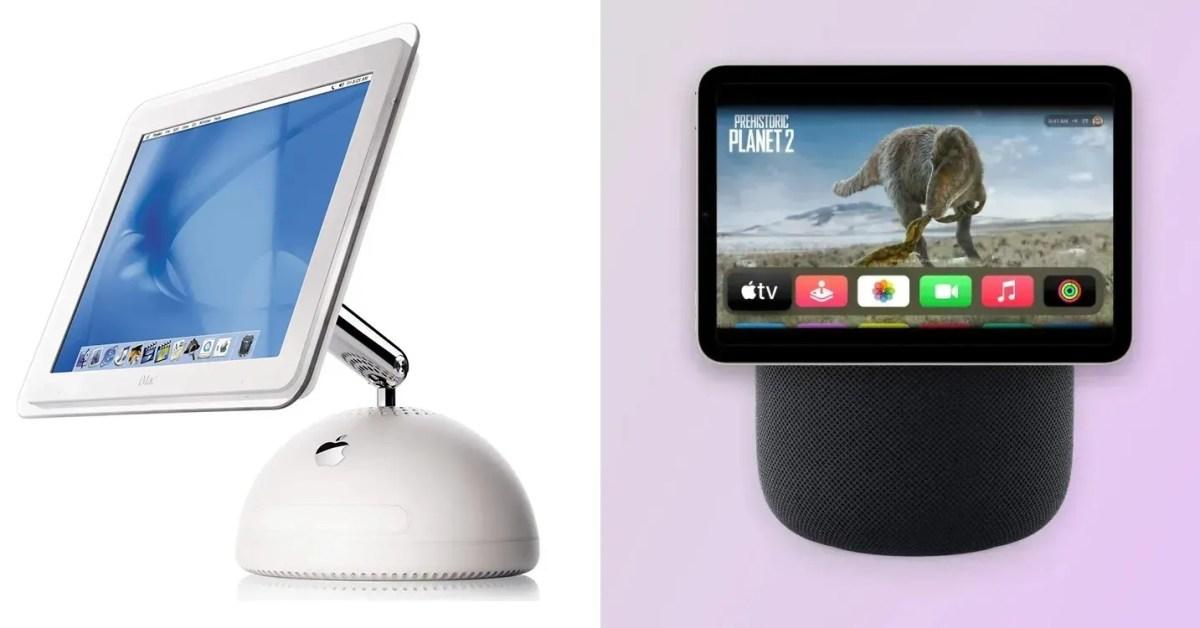

The operating system wouldn't be exactly iOS, nor tvOS. According to leaks, it would blend elements from the iPhone, Apple Watch, iPad, and Apple TV . It would feature widgets similar to those in iPhone Standby mode, watch faces and icons in the style of the Apple Watch, and multimedia capabilities inherited from Apple TV. There's no mention of a dedicated App Store, suggesting it would function more as an ecosystem accessory than a standalone platform.
Version with robotic arm and other releases
Apple is also reportedly developing a second, more ambitious version. This one would feature a 9-inch screen and a robotic arm capable of rotating 360 degrees, allowing the device to follow the user around the kitchen or reorient itself depending on the activity. This model is expected to arrive later and is not anticipated for the initial launch , but it aligns with Apple's vision of transforming the home into a space filled with sensors and assistants.
Alongside the Home Hub, the company is reportedly preparing an updated HomePod mini with new colors and a revamped Apple TV 4K with Siri AI support. Both will maintain a similar design to the current model but with faster processors to handle the assistant's functions. The idea is for all these devices to coordinate with each other within the home, something that already happens to some extent with the iPhone, Apple TV, and HomePod speakers.
The market context is demanding. Amazon and Google have spent years teaching users what a smart display does and sell their products at aggressive prices. Apple, on the other hand, would operate in the premium segment, as it did with the original HomePod. The price is not confirmed , and rumors have suggested disparate figures: from $200 to $300 to around $350, with some versions, including one with a robotic arm, costing over $500. Without an official price, any estimate should be taken with caution.


What does this mean for Apple and for Spain?
The launch also has an internal significance. John Ternus, Apple's new CEO, faces his first major product test at the helm of the company. The Home Hub would be the first device in a new category under his leadership and will serve to gauge whether Apple's strategy in artificial intelligence and the connected home resonates with the public. If Siri AI performs well and facial recognition is seamless , Apple will have a strong case for entering a market where it has not yet excelled.
In Europe and Spain, there are currently no official details regarding price in euros, pre-order dates, or availability. Since there has been no confirmation from Apple, it cannot be assumed that the device will arrive at the same time as in the United States. Leaks point to an imminent launch, but the company typically remains silent until its own events. What does seem clear is that the smart home is once again at the heart of its plans , after years in which the iPhone has been practically the sole remote control for the home.
Apple's proposal won't be based solely on hardware. The company wants to leverage its closed ecosystem, HomeKit integration, and its privacy message to differentiate itself from Amazon and Google. The idea of a device recognizing each family member and adapting the screen to that individual is more ambitious than simply offering a speaker with a screen. The challenge will be ensuring everything works seamlessly and that the price doesn't scare off households that already have cheaper solutions.
The Home Hub, therefore, is no small matter : it would be Apple's bid to have an always-on screen in the home, controlling devices, displaying information, and making its presence felt in the living room or kitchen. Its presentation, scheduled for October 13, according to Bloomberg, will mark the first real test of the Ternus era and will put the new Siri to the test. If it succeeds, Apple could finally have a physical and everyday presence in the connected home; if it fails, it will be clear that entering a category late and expensively is not always a guarantee of success.