- Android 16 is already rolling out, but many devices won't receive the update.
- Official listings confirm the exclusion of popular models from brands such as Samsung, Google, Xiaomi, and more.
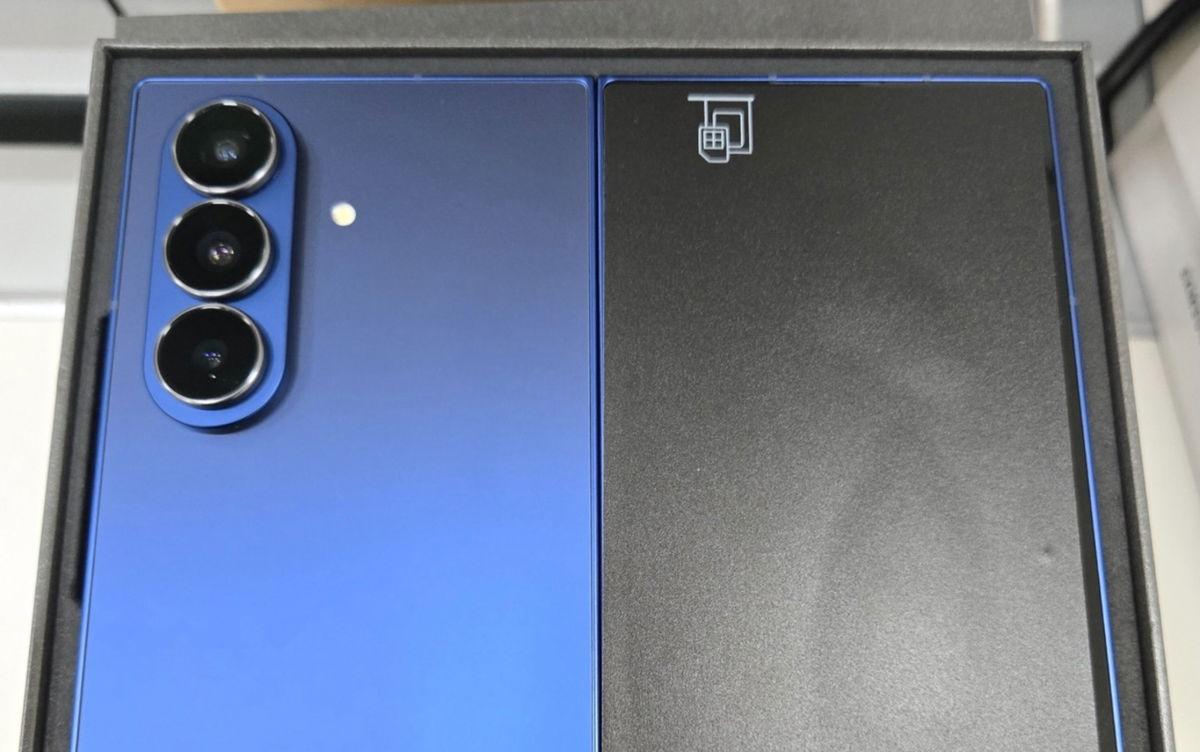
- Samsung's new foldables lead the Android 16 rollout with exclusive features.
- Android 16 incorporates improvements in security, customization, AI, and power management.
The release of Android 16 marks a new cycle in the lifespan of many mobile phones and tablets., but not all users will be able to enjoy its features. As the stable version officially begins to roll out to the first models, a wave of confirmations makes it clear which devices will be left out of the update, causing concern among those with older or mid-range devices.
With each new version of the operating system, manufacturers announce which models will maintain official support and which will end their journey with the previous version. Android 16 is no exception and there is already a long list of phones and tablets that will not be updating.Below, we'll review everything you need to know to avoid surprises and fully understand the implications of missing the latest update.
Why do some Android devices miss updates?
Google and the main brands in the sector establish support policies that set the number of years of updates for each generation. Once this period is over, phones stop receiving new versions of the system, focusing solely on security patches (and, in some cases, not even that). This practice responds to the need to optimize resources and to the hardware limitations of older models.
The arrival of Android 16 has left out very popular references. Mobiles such as the Pixel 5, Galaxy S21, Motorola Edge 40, various Xiaomi, POCO, Realme and OPPO, among others, will not receive the update.This cutoff is also observed on tablets, affecting devices launched just over two years ago.
List of models that will not receive Android 16
Although some manufacturers may unexpectedly expand support, The following list covers the main phones and tablets that are officially excluded from Android 16.:
- Google: Pixel 5, Pixel 5a and earlier.
- Samsung: Galaxy S21 and earlier, Galaxy Z Fold 3 and Flip 3, previous-generation Galaxy A, M, and F models, tablets released before 2023.
- Xiaomi: Xiaomi 12 series, Redmi Note 12, Redmi K50, Pad 5 and 5 Pro tablets, Redmi and POCO models from previous ranges.
- OnePlus: 10 Pro, 10T, older generation Nord series.
- Motorola: Edge 40 and earlier, Moto G and E from previous years, Tab G and Moto Tab tablets.
- Nothing: Nothing Phone (1).
- OPPO: Find X5 and earlier, Reno 9 and 10, various K, F and A ranges, older tablets.
- Realme, VIVO: Previous generation GT, Narzo, X, V and Y series.
These models have already completed the support cycle defined by each manufacturer, so will not receive new features or security patches derived from Android 16Faced with this reality, many users are considering upgrading to a more modern device if they want to continue enjoying the latest improvements.
The reasons behind the exclusion and the brands that are expanding support
The decision to update a device or not depends largely on each brand's roadmap and the technical capabilities of the hardwareMany models released between 2020 and 2022 are just reaching the end of official support. Some brands, such as Samsung, have opted in recent years to extend support periods: some recent models even guarantee seven years of updates..
However, this is not retroactive. For example, The Galaxy S21 series is officially excluded from Android 16., while the Galaxy S24 and the new foldables remain on the list. Another notable case is the Pixel 6 and 6 Pro, which have ended support after the recent update, with the Pixel 6a being the only survivor within its generation for a few more weeks.
What can I do if my phone runs out of Android 16?
If your Android device is not compatible with the latest version, You will still be able to use your phone and receive minor updates for the duration of security support.However, you'll lose access to key new features, such as new AI features, battery management improvements, and interface changes.
Some users choose to use Custom ROMs, which allow you to extend the life of certain models using alternative software. However, this option carries risks, requires technical knowledge, and may void the official warranty.
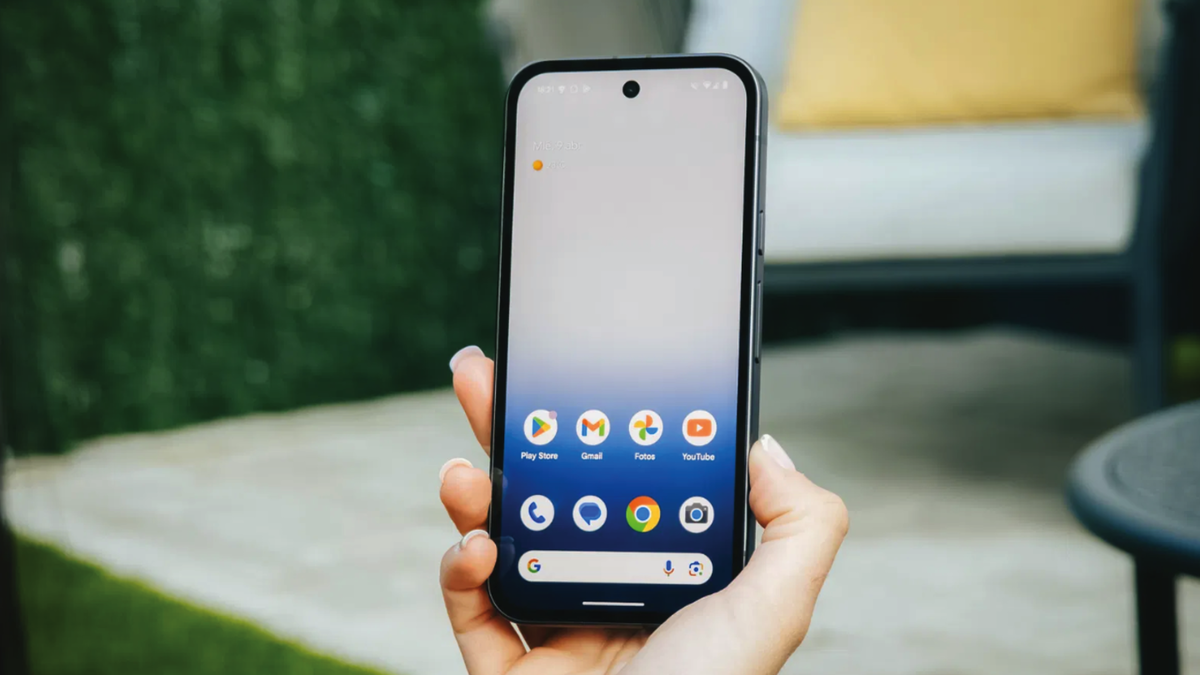
Main new features of Android 16 that will not be available on models without the update
Android 16 brings Significant improvements in system security, privacy, and customizationDevices that fail to update will lose features such as:
- Improved notification system, with intelligent message summarization and AI filtering.
- Live activities that display dynamic information on screen in real time.
- Advanced customization options of renewed lock screen and interactive widgets.
- Optimization of energy consumption and greater control over app permissions and security.
By not receiving Android 16, These devices will maintain the experience offered by their current versionApps will continue to work, although some future features may require newer system versions.
Samsung has taken advantage of the update on its new foldable phones, such as the Galaxy Z Fold 7 and Z Flip 7, which hit the market with Android 16 and One UI 8, demonstrating a commitment to supporting its most recent models.