- Anatomicum is a work that emulates a visit to a museum, dividing the human body into themed rooms with large-format illustrations.
- The history of anatomy has depended on the union between scientists and artists, from Renaissance treatises to university illustrations.
- Royal anatomical museums complement this knowledge with collections of wax figures, bones, and teratological specimens of historical value.
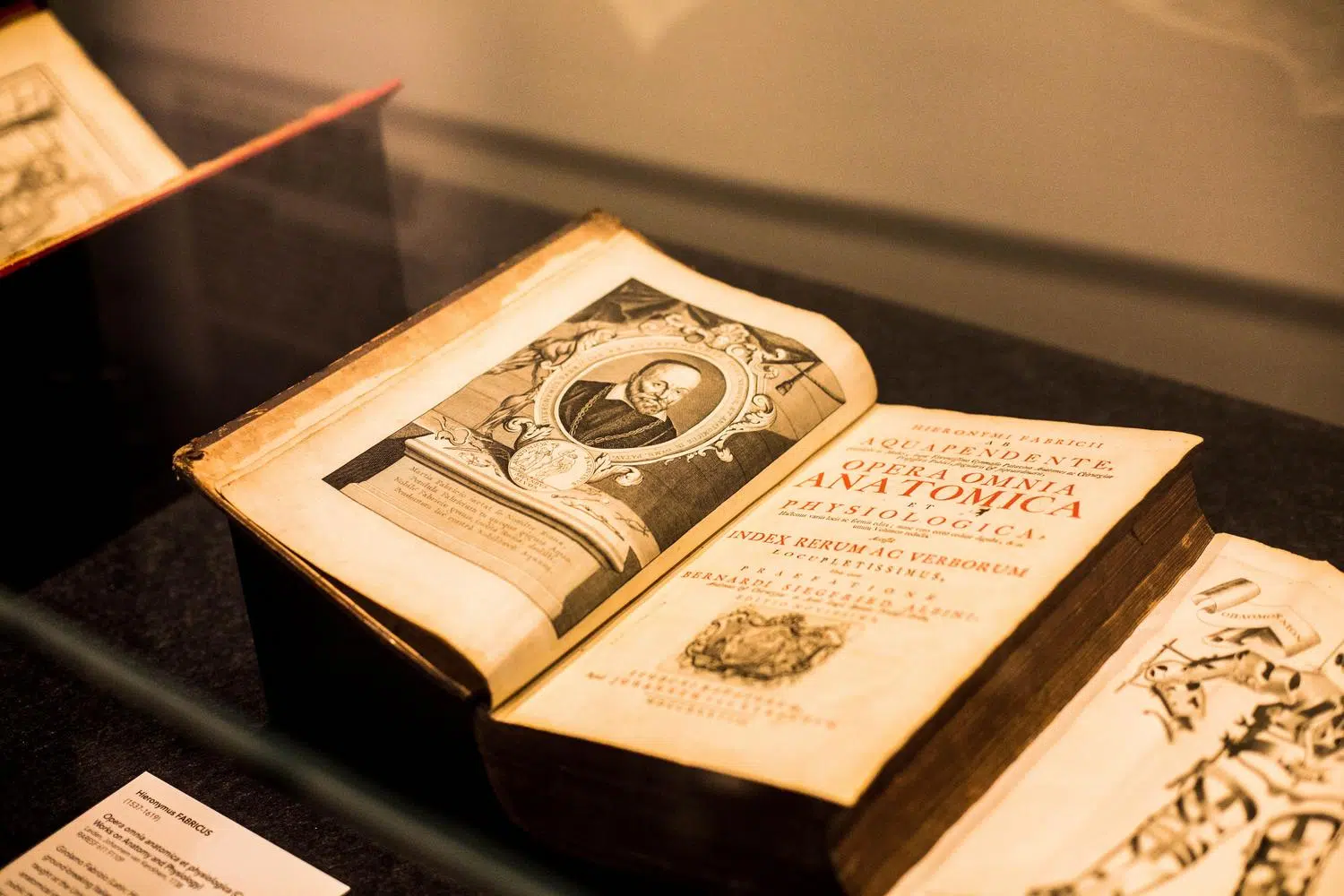
When we think about learning about our inner workings, the first thing that comes to mind is a boring textbook or a visit to a specialized center. However, there is a fascinating alternative that merges both worlds: an anatomy museum in book form . This way of understanding biology allows anyone, regardless of age, to immerse themselves in the complexity of the human body without leaving home, transforming reading into a sensory and educational experience.
Throughout history, the path to understanding the human body has not been easy, ranging from periods when dissecting a cadaver was taboo to the era of hyperrealistic illustrations and interactive museums. Today, we have works that not only inform but also function as a veritable bound scientific exhibition , where paper replaces display cases to reveal the secrets of our own existence.
Anatomicum: A museum experience on paper
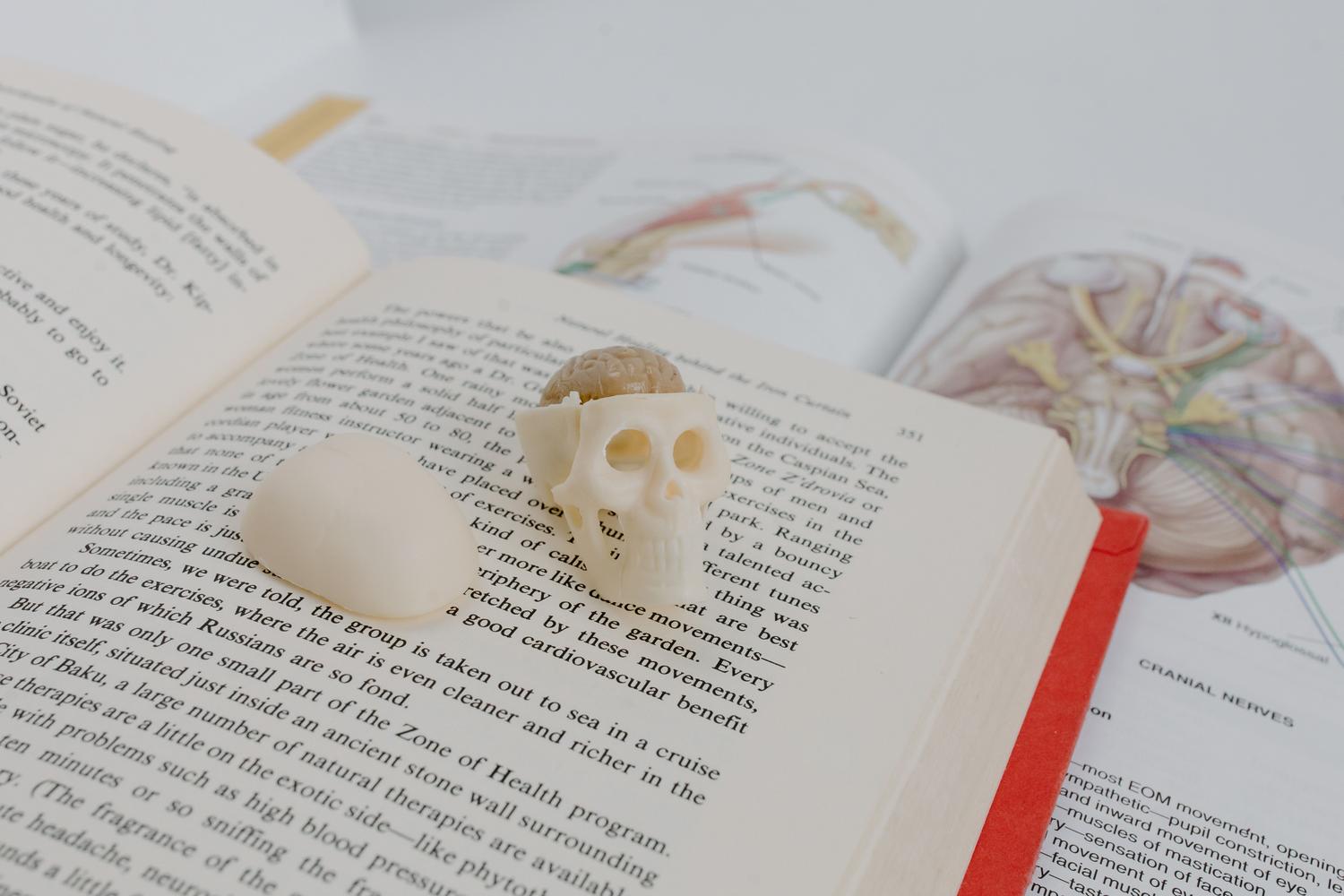
Within the Welcome to the Museum collection , a work called Anatomicum stands out, designed specifically for children and adults to explore the human body. It's not your typical book, but rather a large volume with exquisite binding that organizes information as if you were walking through museum galleries. From the very beginning, the reader receives a guide to the fundamental building blocks of the body before delving into specific sections.
The content of this work is exhaustive and is divided into several thematic "rooms" that allow for detailed study:
- the musculoskeletal system, where the bone and muscle structure is analyzed.
- The systems respiratory and cardiovascularessential for life.
- The complex world of digestive and urinary systems.
- El nervous system and the functioning of our senses.
- The body's defenses through the immune and lymphatic systems.
- Hormonal control of endocrine system and the reproductive system.
What makes this resource so powerful is its use of large-format illustrations and easily digestible text. It's an ideal tool for those following Montessori Cosmic Education or for science students seeking a solid visual foundation for understanding otherwise overly abstract concepts.
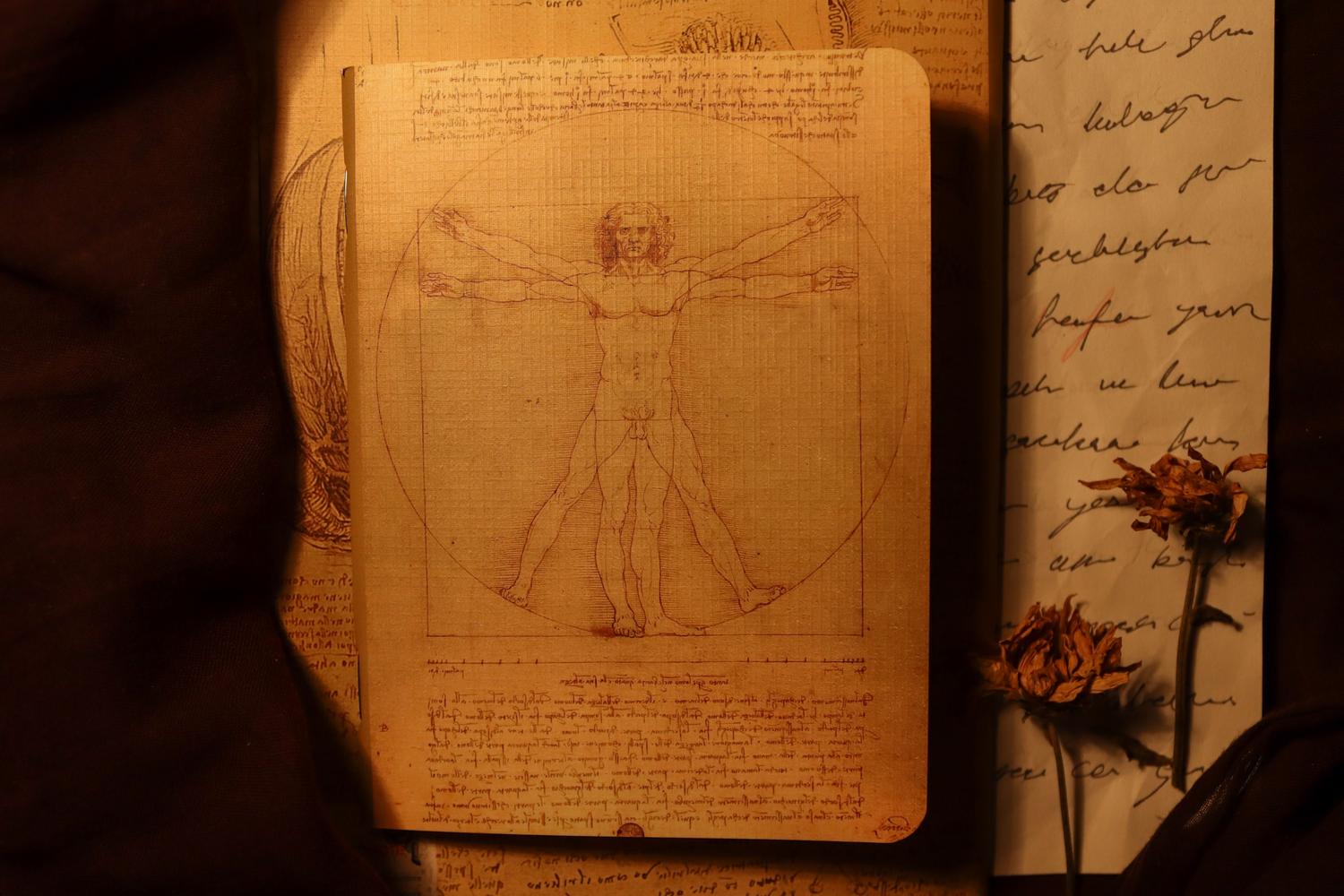
The evolution of anatomical teaching: From the Renaissance to the University
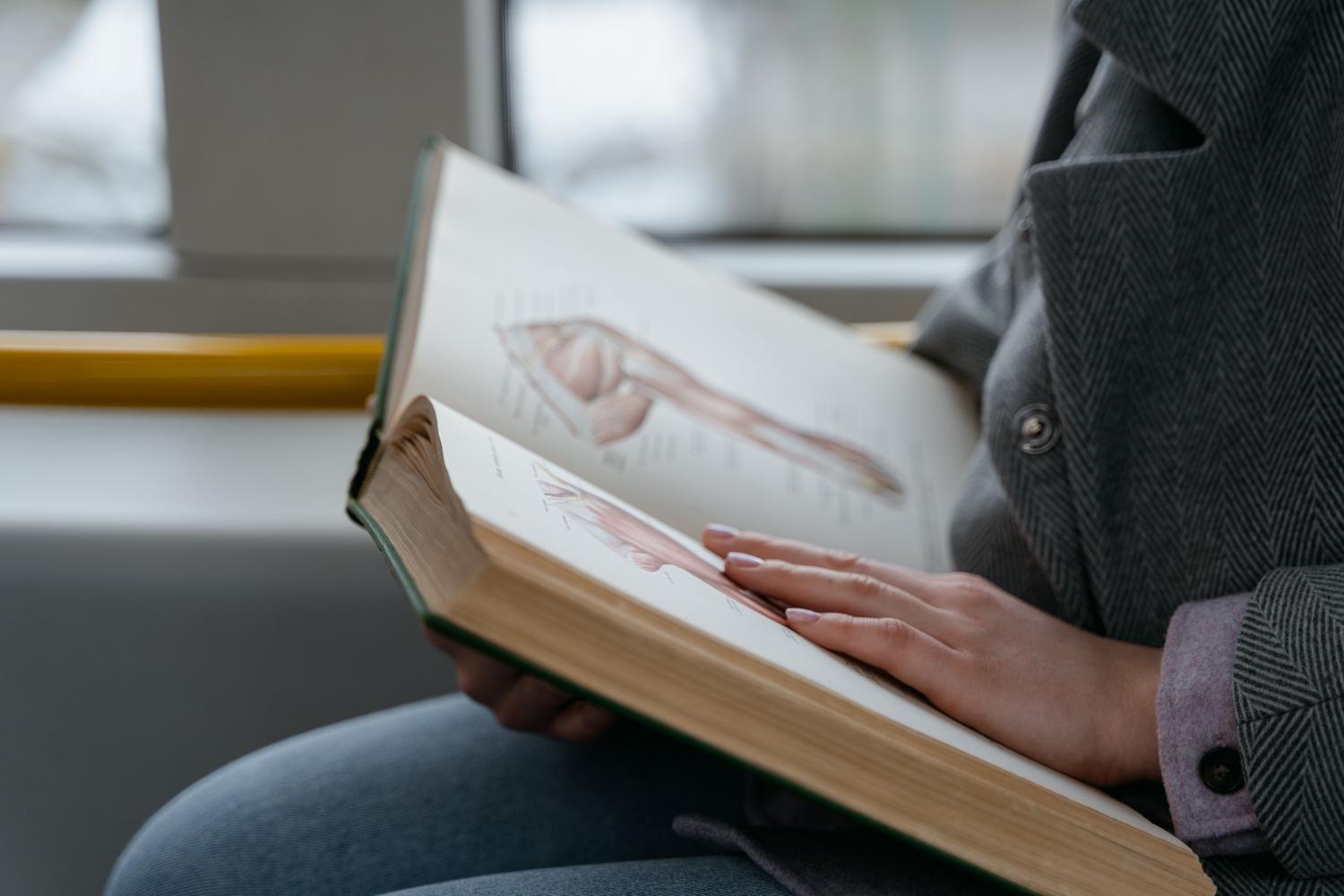
Looking back, the relationship between art and medicine has been crucial. During the Renaissance, the need arose to translate treatises from Latin into Spanish so that medical practitioners could understand them. A brilliant example was the work of Juan Valverde de Amusco, who, together with the artist Gaspar Becerra, created manuals where illustration was as important as the text . His copperplate engravings, inspired in part by Andrea Vesalius, allowed Spanish science to play a fundamental role in modern medicine.
This tradition of using images for teaching has evolved into impressive physical collections. For example, the University of Chile maintains a historical archive that includes 475 teaching plates created between the late 19th century and 2011. This collection is a testament to the state's efforts to train doctors with cutting-edge technology, including unique pieces such as the life-size model of Dr. Ansoux , an anatomical treasure acquired in 1846.
Treasures from the Royal Anatomical Museums
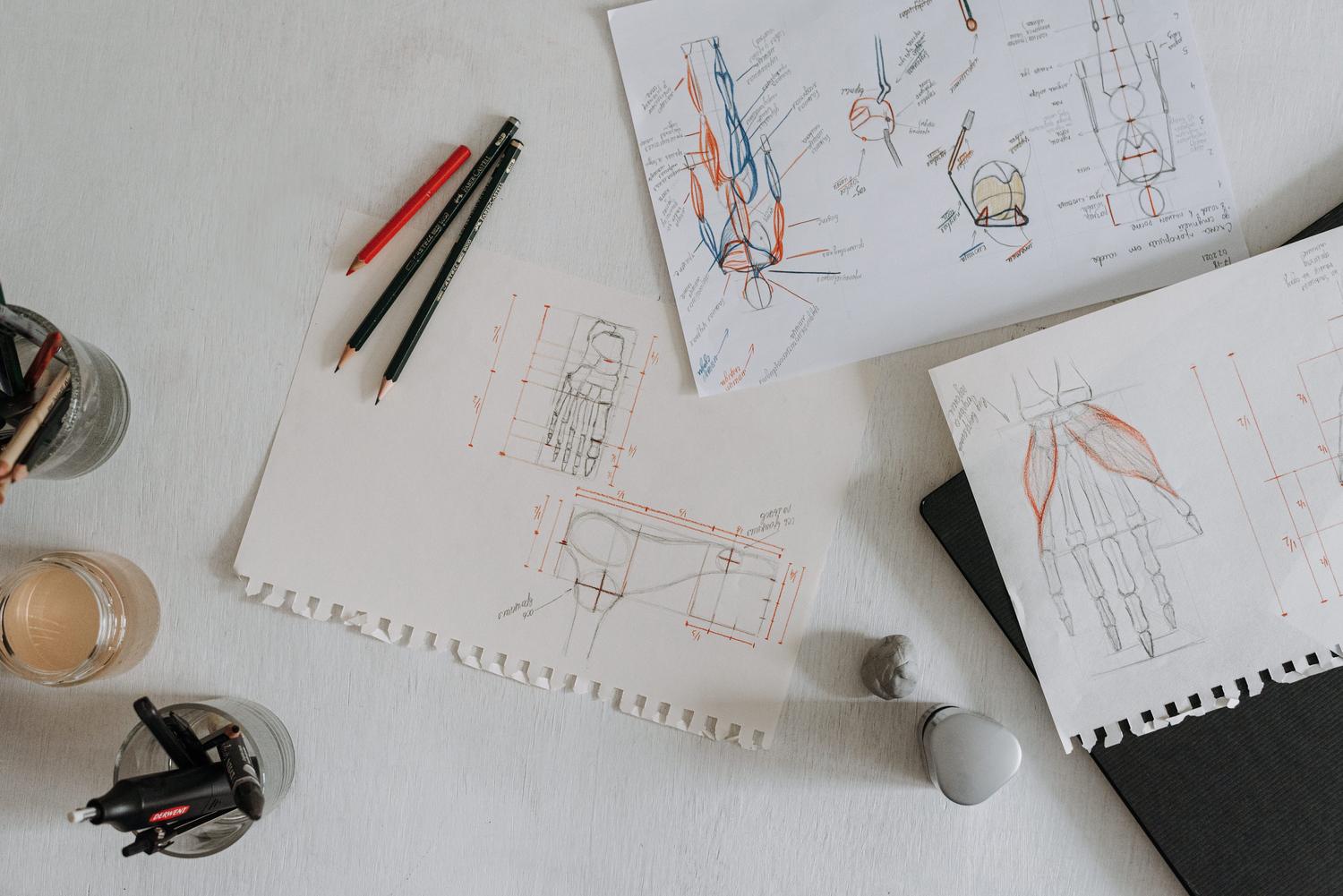
To understand why a book that imitates a museum is so valuable, one must look at what real museums hold. Their collections range from 18th-century polychrome wax sculptures specializing in gestation and childbirth to 19th-century plaster casts detailing surgical regions of the human body.
Besides wax figures, anthropological bone collections are common , such as the famous Olóriz Collection with over a thousand skulls, or unique skeletons like that of the "Extremaduran giant." Other museums focus on teratology , preserving specimens in formalin to study malformations, or maintain historical objects such as the old wooden dissection tables where professors gave their lessons in surgical lecture halls.
Whether it's a modern book or a classic museum, the goal remains the same: to awaken curiosity and wonder at nature . The union of scientific precision and artistic beauty allows the study of the human body to transcend its purely clinical nature and become a constant experience of discovery about the most extraordinary machine in existence.
