- Analysis of the world's most prestigious academic destinations, highlighting European cities and Asian powers.
- Details of the various international mobility options, from Baccalaureate to Master's degrees and specialized scholarships.
- Recommendations for productive study spaces, including iconic libraries and cafes optimized for concentration.
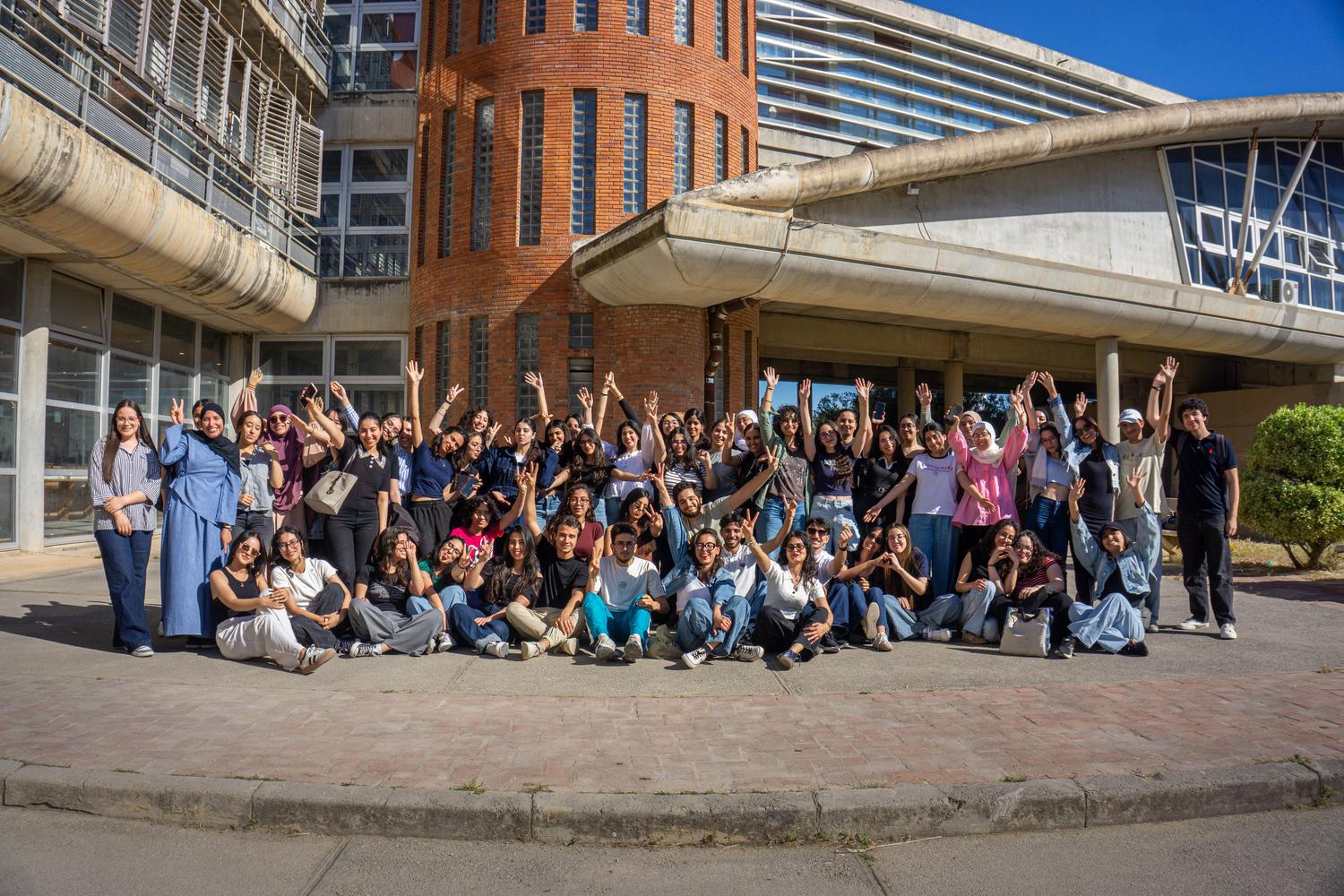
Embarking on the adventure of studying abroad is undoubtedly one of those life-changing experiences. It's not just about attending classes, but about immersing yourself in a different culture , mastering a new language, and stepping outside your comfort zone to discover who you truly are while building a resume that stands out from the rest.
Depending on what you're looking for—whether it's a prestigious degree, learning a language, or simply having an unforgettable experience—the ideal destination will vary. To help you navigate the process, we've prepared a detailed guide that covers everything from mobility and scholarship options to the most productive places to study once you're there.

How can you study outside of Spain?
There are many ways to internationalize your studies, tailored to each age and academic goal. If you're young and want to start early, studying abroad for your A-levels is a top option, especially in countries like the United States or Canada, where it's important to know at what age you can stop studying in the US . The best part is that at that age, your brain is like a sponge for languages, and you have incredible flexibility in your course choices, although you should be mindful of the Ministry of Education's accreditation process and obtaining parental permission.
For those seeking a lighter experience, school exchanges are ideal. These are usually short stays where you live with a local family, allowing you to experience daily life authentically and often at no cost. On the other hand, if you want to make the most of your holidays, summer camps are the perfect option for young people between 12 and 16 years old, combining language learning with leisure activities, although the risk is spending too much time with other Spanish speakers and not becoming fluent enough in the language.
During your university studies, the Erasmus program reigns supreme in Europe, allowing you to spend terms or semesters in any EU country with financial aid. If your aspirations extend beyond Europe, the Munde program opens doors to Asia or the Americas. Finally, pursuing a Master's degree abroad is the definitive leap towards professional specialization, granting you access to world-class centers of excellence, although it requires a significant financial investment and involves severing closer personal ties.

Top academic destinations and world powers

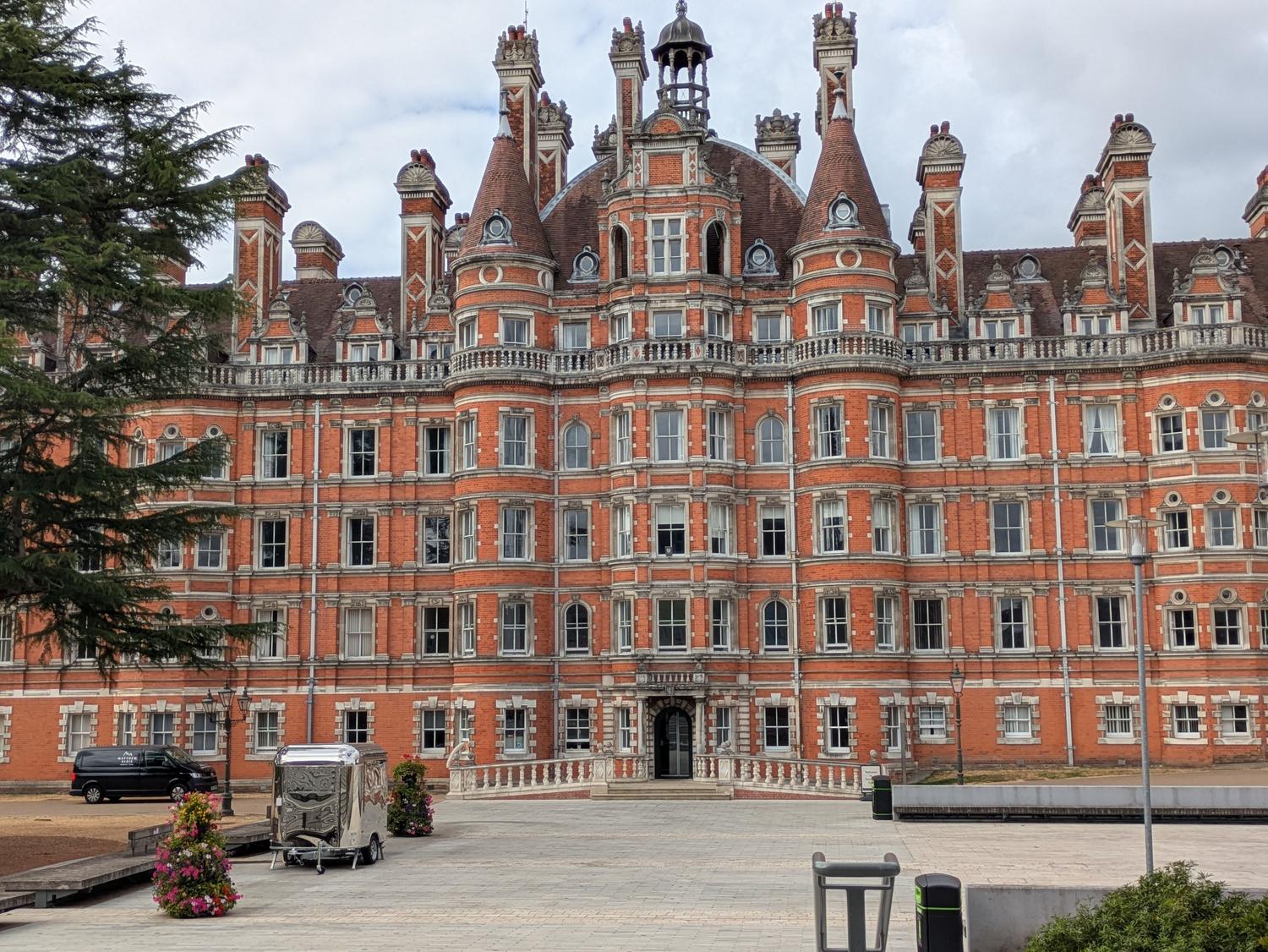
If we're talking about cities that are true magnets for students, London tops the list thanks to its high concentration of prestigious universities and unparalleled cosmopolitan culture. In Germany, Munich and Berlin stand out for their modern infrastructure and strong industrial sectors; Berlin is also very attractive because its public universities are generally tuition-free.
Asia is making waves, and China has secured a place in the world's top 10. It's the number one destination in Asia and specializes in STEM (Science, Technology, Engineering, and Mathematics), with institutions like Peking University and Tsinghua University . If you're looking for cutting-edge technology, China is the place to be. Similarly, Seoul in South Korea is a benchmark for innovation and rigorous education systems, although the language can be a considerable challenge, and it's interesting to know what time school starts in Korea . In Japan, Tokyo is a mecca for those who want to specialize in video games or automotive engineering, in addition to the cultural appeal of manga.
Other brilliant options include Zurich in Switzerland , ideal for polyglots due to its linguistic diversity, and Melbourne in Australia , which is a paradise for those who want to combine studies with legal work permits, facilitating support during their stay.
Grants and scholarships to finance your dream

Studying abroad can be expensive, but there are grants that can cover up to 100% of your expenses. The Erasmus+ program is the best known, waiving tuition fees at your destination. For Germany, the DAAD offers grants to thousands of students annually. If you're looking for something more specific, the Ramón Areces Scholarship focuses on law, economics, and history, providing a very decent monthly stipend of €1.800. It's essential to know how to declare scholarships on your tax return.
The Australian government offers the Endeavour Scholarships , which cover tuition and provide a monthly stipend of $3.000. In the United States, the Fulbright program is the premier pathway for research and study. Finally, the United Kingdom offers the Chevening Scholarships , aimed at candidates with outstanding academic potential and prior work experience.
Where to study when you need maximum concentration
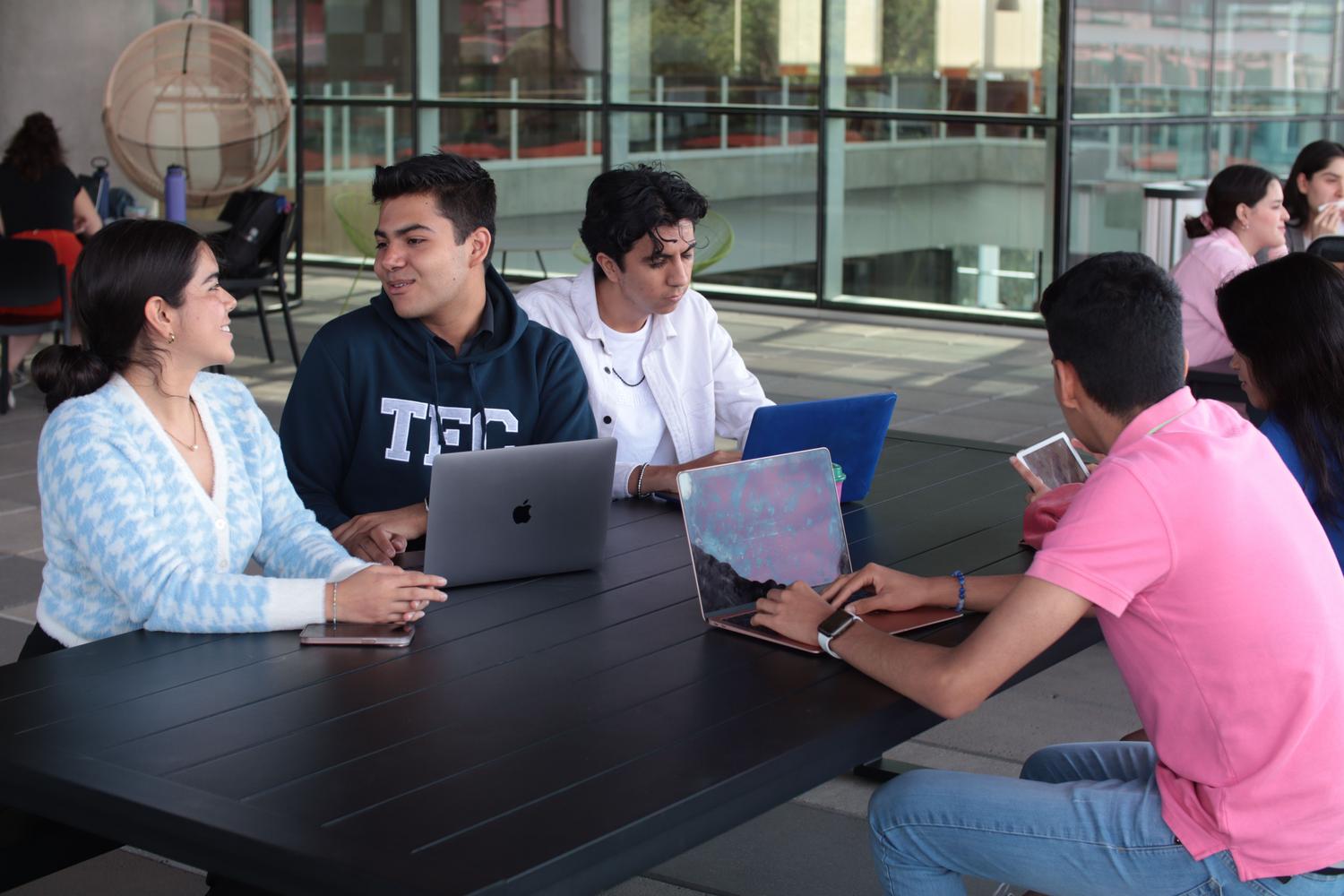
Once settled in, the challenge is finding the right place to study. Although the library is a sanctuary of silence, sometimes a change of scenery is necessary. In Spain, there are cafes designed for studying ; in Madrid, Federal Café and Monkee Coffee stand out for their spacious tables, while in Barcelona, Cosmo offers an artistic atmosphere. In Valencia, Ubik Café combines books and coffee, and in Seville, El Viajero Sedentario is the quintessential meeting place for young people. Even Banco Santander has Work Cafés , free coworking spaces with Wi-Fi in several cities.
If you find yourself in London, the options are vast. The British Library is the crown jewel for its size and resources, while the National Gallery of Art offers an elegant and tranquil setting. For those seeking exclusivity, the London Library is magnificent, although it requires a membership fee. If you prefer something more modern, the Barbican Library even has an indoor garden where you can unwind amidst your books.
For those who prefer the ambient sounds of a London café, Foyles bookstore on Charing Cross Road is legendary. If you're a night owl, the Polo Bar is open 24 hours a day, a rarity in the city. There are also alternatives like the WeWork spaces in Waterhouse Square for a more professional environment, or Hyde Park during the summer for studying outdoors and breathing fresh air.

Tips for a real language immersion
To ensure that language becomes a tool rather than a barrier, it's essential to avoid the usual circle of fellow countrymen ; forcing yourself to speak with locals is the only way to progress. Reading local newspapers, keeping a personal journal in the country's language, and writing down every unfamiliar word in a notebook will help expand your vocabulary quickly. It's also highly recommended to participate in social activities , such as cooking or dance classes, where interaction is natural and fluid, complementing this with watching local television and listening to local radio.
The key to success when studying abroad lies in choosing the mobility option that best suits your goals, taking advantage of available scholarships, and knowing how to alternate study environments to maintain high motivation. Whether it's the technological cutting edge of Asia, the academic prestige of Europe, or the flexibility of Oceania, the most important thing is to plan each step and fully immerse yourself in the local culture to transform your education into a complete life experience.