- Magnetic tape stands out for its extremely high longevity and cost-effectiveness in the long-term storage of massive volumes of data.
- Unlike disks, it offers native protection against ransomware by allowing offline or network-isolated storage.
- Its main drawback is the sequential access to information and the high initial cost of the reading units.
I'm sure it's happened to you: you're looking for a way to store terabytes and terabytes of data without breaking the bank, and you find that magnetic tape is still going strong . At first glance, it seems like museum technology, almost like using a cassette to record music, but the reality is that in the most modern data centers, it's the undisputed queen of cold storage.
Many people wonder if it's really worth making the switch or if it's better to stick with traditional hard drives. The truth is, it's not a simple decision, because although the cost per terabyte is incredibly low, there are technical details and hidden costs that can catch you off guard if you don't know what you're getting into.
What exactly do we mean when we say tape backup?
Basically, it involves transferring digital copies of your data onto magnetic cartridges or cassettes. It's not where you store the file you need to open tomorrow; rather, it's used as secondary storage for critical data that you don't need to access daily, but that you absolutely cannot afford to lose.
Although hard drives gained ground between the 60s and 80s due to their practicality and speed, tape has successfully reinvented itself. Today, it is the go-to tool for legal compliance and historical archiving, as it allows data to be stored for decades without corruption—something that SSDs or HDDs simply cannot guarantee.
Formats that dominate the market
Not all tapes are created equal. Depending on what you're looking for, there are different standards:
- LTO (Linear Tape Open): It is the most widespread open standard. It stands out for its massive capacity, reaching 12 TB natively and up to 30 TB with compression.
- DLT (Digital Linear Tape): Very common in its day, with versions like SuperDLT reaching 300 GB compressed.
- DAT (Digital Audio Tape): It evolved from audio to backup, with capacities ranging from 1 to 80 GB.
- AIT (Advanced Intelligent Tape): Developed by Sony, focused on archiving with transfer speeds of around 24 MBps.
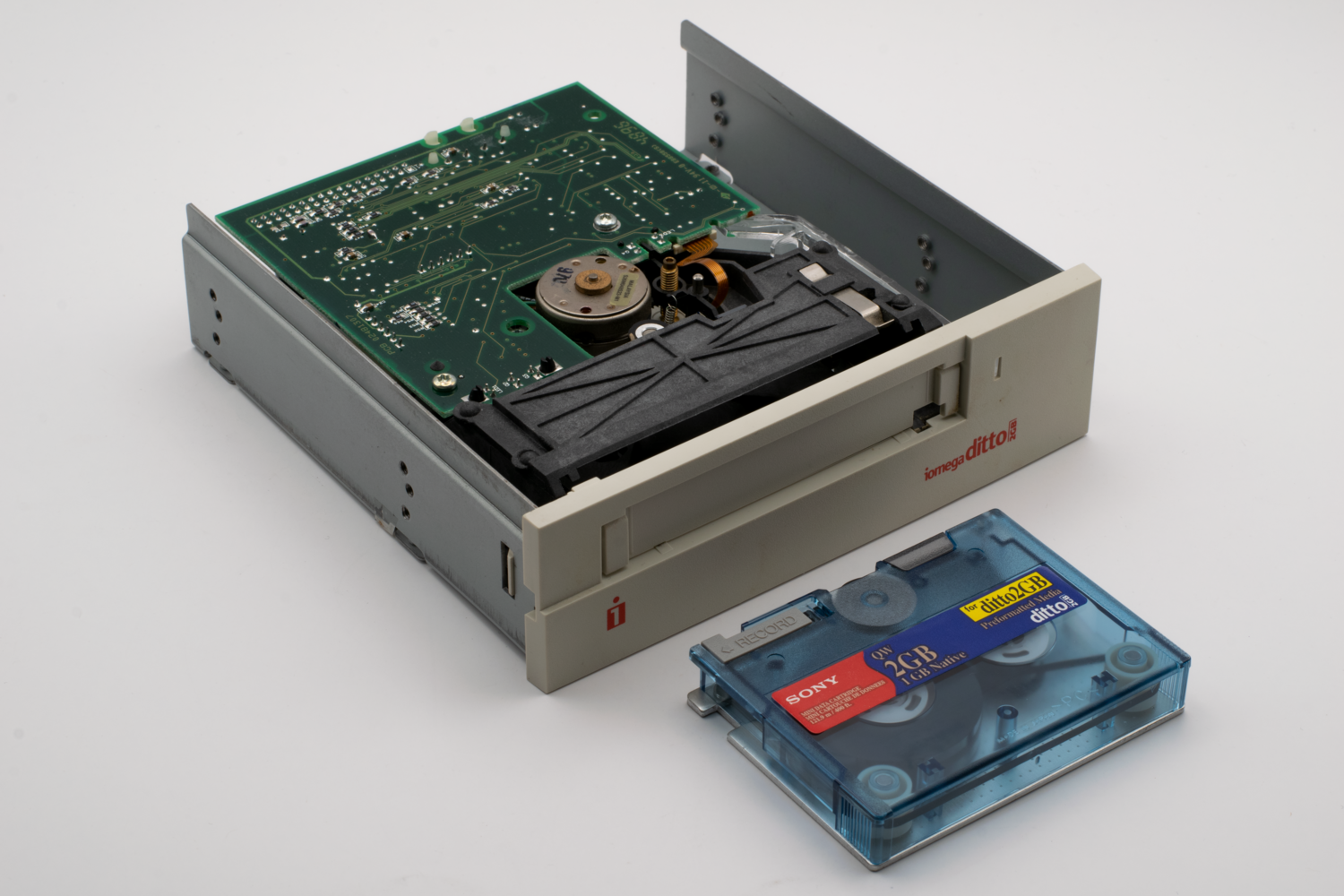
- QIC (Quarter Inch Cartridge): More geared towards personal users with more modest capabilities, from 60 MB to 25 GB.
Debunking myths: Is it really obsolete?
Some say tape is dead, but that's a myth. In fact, nearly 80% of medium and large companies still use it. The problem is that it's not marketed effectively to the average user , focusing solely on the corporate sector. It's not that it's obsolete; its function has changed: it's no longer primary storage, but the final layer of security in a data protection strategy.
Another myth is that it's not scalable. On the contrary, if you need more space, you simply buy more cartridges, which are very inexpensive, instead of having to buy entire servers with drive bays, drastically reducing long-term operating costs .
The good, the bad and the ugly
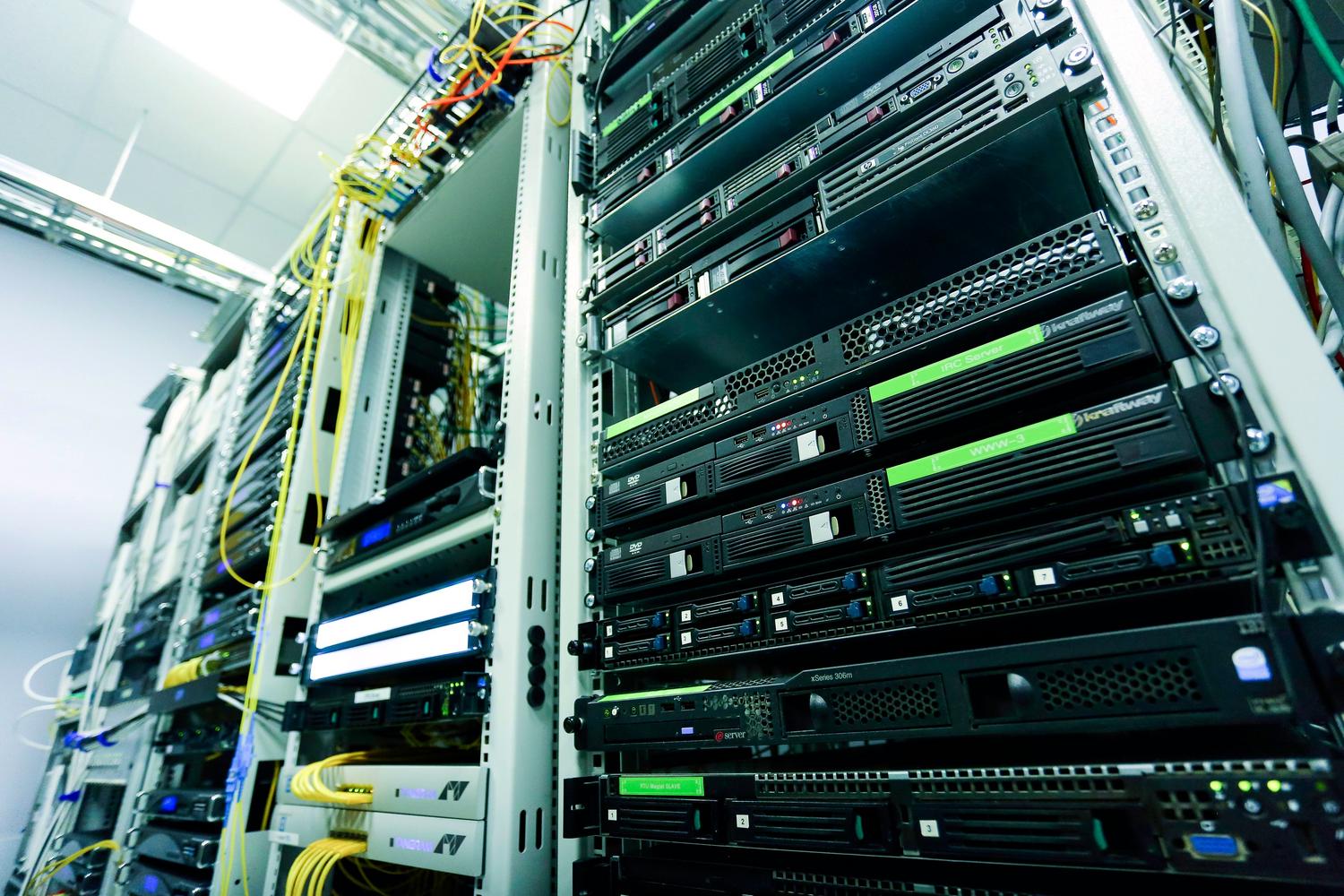
If you're thinking about switching, consider this. Among the advantages, the most powerful is ransomware resistance . By removing the cartridge from the machine, the data is physically isolated from any network, creating an "air gap" that no hacker can bypass. Furthermore, they are much more energy efficient because they don't consume electricity while storing the data on the shelf.
On the other hand, it's not all sunshine and roses. Data access is sequential; that is, if you want the last file on the tape, the machine has to rewind and read everything before it , which is an eternity compared to the random access of a disk. Furthermore, although the cartridge is cheap, the reading unit is extremely expensive , and that's a significant obstacle for anyone without a business budget.
Tips to prevent your data from disappearing
Owning a cassette tape isn't just about recording it and forgetting about it. To make it last those promised 30 years, you have to take care of it. It's essential to store it in climate-controlled, dust-free places , and above all, away from any strong magnetic fields (like those from printers or magnets) that could erase all the content in a second.
It's also highly recommended to follow the 3-2-1 rule: keep three copies of your data on two different storage media, with one copy stored off-site . Performing regular data restoration tests is vital, because it's pointless to have the data saved if, when you try to retrieve it years later, the tape has degraded or the software is no longer compatible.
The issue of security and encryption
For those who value privacy, tape is no exception. Most modern systems allow hardware encryption , preventing anyone who finds the cartridge from reading its contents. There are even WORM (Write Once, Read Many) formats, which prevent data from being overwritten or modified—essential for legal audits.
If you're used to using tools like Veracrypt on hard drives, you should know that tape is managed differently, usually through specialized backup software that handles indexing and security, since it doesn't behave like a conventional mass storage unit.
Magnetic tape remains the invisible pillar of cybersecurity thanks to its massive capacity, extremely low cost per gigabyte, and the physical immunity against cyberattacks that hard drives cannot offer. Although it requires a significant initial investment in hardware and meticulous environmental management, it remains the most sensible option for those seeking a secure and long-lasting historical archive.